Nutritional Intelligence
Berberine: Is "Nature's Ozempic" Actually Backed by Science?
By J. Yoo
Berberine is a plant alkaloid that went viral as "nature's Ozempic" — but the research tells a different, and more interesting, story. It activates the same metabolic switch as metformin, not GLP-1 receptors. Here's what the science actually shows.
July 6, 2026 · 7 min read
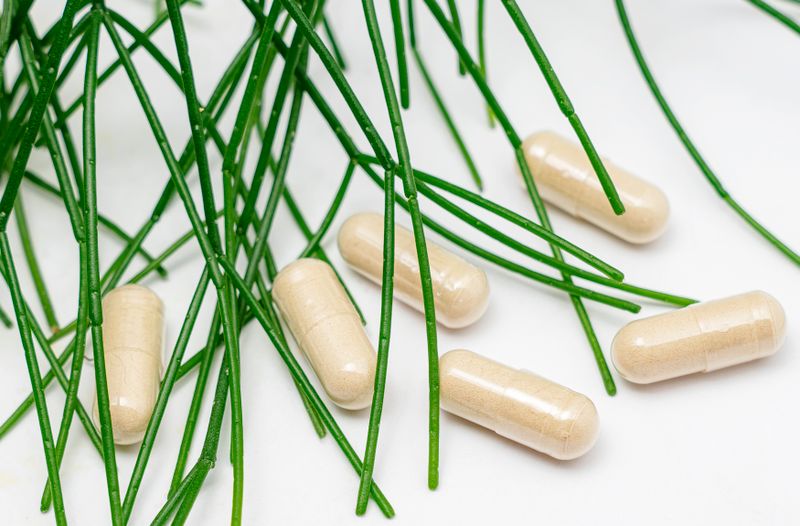
What exactly is berberine, and why is everyone suddenly talking about it?
Berberine is a bright yellow alkaloid found in the roots and bark of several plants — barberry (Berberis vulgaris), goldenseal, and Chinese goldthread (Coptis chinensis). That last one, known as 황련 (hwangryeon) in Korean, has been a staple of traditional Korean and Chinese medicine for over a thousand years, historically used for digestive complaints and as a natural clarifying herb. The molecule's vivid yellow color stains everything it touches — which is how early herbalists identified it in plant material, and why berberine extracts look almost neon in concentrated form.
The modern moment started on TikTok in late 2023, when creators began calling berberine "nature's Ozempic" and documenting appetite suppression and weight changes. Search volume spiked. The supplement sold out on Amazon. Korean wellness communities picked it up months later. Here's what the underlying science actually supports — and where the comparison breaks down.
- Plant sources
- Barberry, goldenseal, Chinese goldthread (황련), Oregon grape — all contain berberine in their roots and bark
- Traditional use
- Over 1,000 years in TCM and Korean hanbang medicine (한방) — primarily for digestive complaints
- Why it looks yellow
- Berberine's chromophore structure absorbs blue-violet light, producing the vivid yellow color visible in raw plant extracts
Does berberine actually work the same way as Ozempic?
No — and this distinction matters more than most supplement content acknowledges. Ozempic (semaglutide) is a GLP-1 receptor agonist. It directly binds to GLP-1 receptors in the brain, gut, and pancreas — mimicking the incretin hormone that signals fullness, slows gastric emptying, and prompts insulin release. The mechanism is precise, potent, and well-characterized. Dose-response is predictable. That's why semaglutide trials show 10–15%+ body weight reduction over 68 weeks.
Berberine works differently. Its primary mechanism is AMPK activation — AMPK (AMP-activated protein kinase) is the body's master metabolic switch. When cellular energy is low, AMPK turns on: glucose uptake rises, fatty acid oxidation increases, glycogen synthesis slows. This is the same pathway that metformin targets. More accurately, berberine is "nature's metformin" — not nature's Ozempic. Berberine may also modestly elevate GLP-1 levels indirectly, through gut microbiome shifts that stimulate intestinal L-cells to secrete GLP-1 — but this is a downstream, secondary effect, not the primary mechanism.
What does the research actually show about berberine and blood sugar?
The research on berberine and metabolic markers is more robust than most supplement science. A landmark 2008 study published in Metabolism randomized 116 people newly diagnosed with type 2 diabetes to receive either berberine (500mg, three times daily) or metformin. After three months, both groups showed comparable reductions in HbA1c, fasting blood glucose, and post-meal glucose spikes. Berberine also significantly reduced total cholesterol, LDL, and triglycerides — effects metformin doesn't reliably produce.
A meta-analysis pooling 14 randomized trials confirmed that berberine significantly reduced fasting blood glucose, HbA1c, and insulin resistance markers compared to placebo. Research has also examined berberine's effect on LDL cholesterol — a 2004 study in Nature Medicine found berberine lowers LDL by stabilizing LDL receptor mRNA, increasing the number of LDL receptors on liver cells so more LDL gets cleared from the blood. This cholesterol effect is arguably the most underreported finding in the berberine literature.
Why is absorption berberine's biggest problem — and does dihydroberberine fix it?
Standard berberine has notoriously poor oral bioavailability. Less than 5% of a dose reaches systemic circulation in useful concentrations. Most is broken down in the gut lumen or cleared by the liver during first-pass metabolism. This is why standard doses are high (500mg, three times daily), and it's also what drives the most common complaint: GI discomfort. Nausea, cramping, and loose stools are frequent at full doses — particularly in the first weeks of use.
Dihydroberberine (DHB) is a reduced form of berberine with approximately 5x better oral bioavailability. After absorption, DHB converts back to berberine in the body — producing the same metabolic effects from a much smaller dose (typically 100–200mg). Because less berberine is present in the gut lumen itself, GI side effects appear milder in most users. The trade-off: DHB supplements cost significantly more, and long-term human trials remain limited compared to the decades of standard berberine research.
- Standard Berberine HCl
- 500mg, 3× daily. Extensive research base. Lower cost. Higher rate of GI side effects — always take with food.
- Dihydroberberine (DHB)
- 100–200mg, 1–2× daily. ~5× more bioavailable. Milder GI profile. Higher cost, less long-term data.
What should you actually look for when buying berberine?
- Third-party testing
- Berberine is sold as a food supplement, not a drug — purity isn't guaranteed by law. Look for NSF, USP, or Informed Sport certification. In Korea, the 건강기능식품 designation from MFDS indicates regulatory review.
- Timing with meals
- Take berberine with or immediately before meals — it acts on post-meal glucose response. A fasting dose misses the primary mechanism window and increases GI irritation.
- Drug interactions to know
- Berberine inhibits CYP3A4 and CYP2D6 enzymes that metabolize many medications — including blood thinners, some antidepressants, and statins. If you take prescription medication, check with a doctor before starting.
- Who should avoid it
- Pregnancy, breastfeeding, and children — berberine is not studied in these populations. Also avoid combining with diabetes medications without medical supervision due to hypoglycemia risk.
For informational purposes only. Not intended as medical or professional advice.
Berberine supplements worth trying
- Thorne Berberine-500 — 500mg berberine HCl per capsule, NSF certified — one of the most consistently referenced brands in supplement discussions. Available via iHerb Korea shipping.
- Life Extension Berberine — 400mg per capsule, widely available with Korean shipping on iHerb. A brand known for strong quality-testing practices across its supplement line.
- Nootropics Depot Dihydroberberine (DHB) 100mg — The higher-bioavailability form of berberine — consider this if standard berberine causes GI discomfort. Take 1–2 capsules with meals. Ships to Korea via their international store.
'천연 오젬픽'이라 불리지만, 베르베린의 작동 방식은 달라요
황련에서 추출한 식물 알칼로이드 베르베린이 '천연 오젬픽'으로 화제가 됐지만, 연구가 보여주는 실제 이야기는 조금 달라요. GLP-1 수용체가 아니라 메트포르민과 같은 AMPK 경로를 활성화해요. 무엇이 사실이고 무엇이 과장인지 정리했어요.
베르베린이 뭔데 갑자기 이렇게 화제인 걸까요?
베르베린은 매자나무(barberry), 황련(Coptis chinensis), 골든씰 같은 식물의 뿌리와 껍질에서 추출하는 밝은 노란색 알칼로이드예요. 이 중 황련은 한방에서 오래전부터 소화기 불편감 완화에 쓰여온 약재예요. 특유의 선명한 노란색은 식물 조직에 쉽게 착색될 만큼 강렬해서, 오래전부터 약초학자들이 성분 동정에 활용했던 특징이기도 해요.
2023년 말, 틱톡 크리에이터들이 베르베린을 '천연 오젬픽'이라 부르며 식욕 감소와 체중 변화를 기록하는 영상이 바이럴됐어요. 검색량이 급증하고 아마존에서 품절이 이어졌어요. 한국 건강 커뮤니티에서도 몇 달 후 관심이 급등했죠. 그렇다면 연구는 실제로 무엇을 지지하고, 어디서부터 비교가 어긋나는 걸까요?
- 원료 식물
- 매자나무, 황련, 골든씰, 오리건 포도 — 뿌리와 껍질에 베르베린 함유
- 전통 사용
- 한방 및 중의학에서 1,000년 이상 사용 — 주로 소화기 관련 증상에 활용
- 노란색인 이유
- 빛 흡수 구조로 인해 생성되는 색으로, 원료 식물 추출물에서 선명한 노란색으로 나타나요
베르베린이 오젬픽과 같은 방식으로 작동하나요?
아니요 — 이 차이는 대부분의 서플리먼트 콘텐츠가 인정하는 것보다 훨씬 중요해요. 오젬픽(세마글루타이드)은 GLP-1 수용체 작용제예요. 뇌, 장, 췌장의 GLP-1 수용체에 직접 결합해 포만감 신호를 보내고 위 배출 속도를 늦추며 인슐린 분비를 촉진해요. 그래서 세마글루타이드 임상시험에서는 68주간 10–15% 이상의 체중 감소가 일관되게 나타나요.
베르베린의 주요 작용 기전은 AMPK 활성화예요. AMPK(AMP 활성 단백질 인산화효소)는 세포의 에너지 감지 스위치로, 에너지가 낮을 때 켜져서 포도당 흡수를 늘리고 지방산 산화를 높이며 글리코겐 합성을 줄여요. 이건 오젬픽이 아니라 메트포르민과 같은 경로예요. '천연 오젬픽'이 아닌 '천연 메트포르민'에 더 가까운 표현이에요. 장내 미생물 변화를 통해 GLP-1 분비를 간접적으로 소폭 높일 수 있다는 연구도 있지만, 이건 2차적인 효과예요.
혈당에 관한 연구는 실제로 무엇을 보여주나요?
베르베린과 대사 지표에 관한 연구는 대부분의 서플리먼트 과학보다 탄탄한 편이에요. 2008년 Metabolism에 발표된 연구에서는 2형 당뇨 신규 진단자 116명을 베르베린(1일 3회 500mg) 또는 메트포르민 투여군으로 나눠 3개월간 비교했어요. 결과적으로 두 그룹 모두에서 HbA1c, 공복혈당, 식후혈당의 유사한 감소가 관찰됐어요. 베르베린은 총콜레스테롤, LDL, 중성지방도 유의하게 낮춰, 메트포르민이 일관되게 보여주지 않는 효과도 나타냈어요.
14개 무작위 임상시험을 종합한 메타분석에서도 베르베린이 위약 대비 공복혈당·HbA1c·인슐린 저항성 지표를 유의하게 낮춘다고 확인됐어요. 2004년 Nature Medicine에 발표된 연구는 베르베린이 LDL 수용체 mRNA를 안정화해 간세포의 LDL 수용체 수를 늘리고, 혈중 LDL 제거를 촉진한다는 사실을 밝혔어요. 이 콜레스테롤 관련 효과는 베르베린 연구에서 가장 저평가된 발견 중 하나예요.
흡수율이 가장 큰 문제인 이유, 그리고 DHB는 해결책일까요?
표준 베르베린은 경구 생체이용률이 매우 낮아요. 복용량의 5% 미만만이 유효 농도로 전신 순환에 도달해요. 나머지는 장에서 분해되거나 간 초회통과 대사로 빠르게 제거돼요. 그래서 표준 용량이 높을 수밖에 없고(1일 3회 500mg), 이게 가장 흔한 불편 사항인 위장 증상의 원인이기도 해요. 특히 복용 초기 몇 주간 메스꺼움, 복통, 묽은 변이 자주 보고돼요.
디히드로베르베린(DHB)은 베르베린의 환원형으로, 경구 생체이용률이 약 5배 높아요. 흡수 후 체내에서 다시 베르베린으로 전환되니까 같은 대사 효과를 훨씬 적은 용량으로 얻을 수 있어요(보통 100–200mg). 장 내강에 베르베린이 적게 남기 때문에 위장 부작용도 비교적 적은 편이에요. 단점은 가격이 높고, 표준 베르베린에 비해 장기 임상 데이터가 아직 부족하다는 거예요.
- 표준 베르베린 HCl
- 500mg, 하루 3회. 풍부한 연구 데이터. 가격 저렴. 위장 부작용 빈도 높음 — 반드시 식사와 함께 복용.
- 디히드로베르베린 (DHB)
- 100–200mg, 하루 1–2회. 생체이용률 약 5배. 위장 증상 비교적 적음. 가격 높고 장기 데이터 부족.
베르베린을 고를 때 실제로 무엇을 봐야 할까요?
- 제3자 검증
- 베르베린은 건강기능식품으로 유통되므로 법적으로 순도가 보증되지 않아요. NSF·USP 등 제3자 인증이나 식약처 건강기능식품 인증 여부를 확인하세요.
- 복용 타이밍
- 식사 직전 또는 식사와 함께 복용하세요. 식후 혈당 반응에 작용하는 성분이라 공복 복용은 효과가 떨어지고 위장 자극이 강해질 수 있어요.
- 약물 상호작용
- 베르베린은 CYP3A4·CYP2D6 효소를 저해해, 항응고제·일부 항우울제·스타틴 등 여러 약물의 대사에 영향을 줄 수 있어요. 처방약을 복용 중이라면 시작 전 반드시 의사와 상담하세요.
- 피해야 할 경우
- 임신 중, 수유 중, 소아는 피하세요 — 해당 대상 연구가 없어요. 당뇨 치료제와의 병용도 저혈당 위험이 있어 의사 지도 없이는 피해야 해요.
본 콘텐츠는 정보를 제공하기 위한 것이며, 전문적인 의료 조언을 대신하지 않습니다.
시도해볼 만한 베르베린 제품
- Thorne Berberine-500 — 캡슐당 500mg, NSF 인증. 서플리먼트 관련 논의에서 일관되게 언급되는 브랜드예요. 아이허브 한국 배송 가능.
- Life Extension Berberine — 캡슐당 400mg. 아이허브 한국 배송으로 쉽게 구매할 수 있어요. 품질 관리로 신뢰도 높은 브랜드예요.
- Nootropics Depot Dihydroberberine (DHB) 100mg — 생체이용률이 높은 DHB 형태예요. 표준 베르베린에서 위장 불편감을 경험했다면 고려해볼 수 있어요. 식사와 함께 1–2캡슐 복용. 국제 배송 가능.