Nutritional Intelligence
Colostrum Is the Supplement Korea's Wellness Industry Can't Stop Talking About. What Does the Science Actually Say?
By J. Yoo
Bovine colostrum — the "liquid gold" produced in the first days after birth — is packed with immunoglobulins, lactoferrin, and growth factors. Clinical evidence is strongest for gut barrier support, but the wellness hype goes further than the science. Here's what's real.
May 21, 2026 · 7 min read
What is colostrum, and why is it suddenly everywhere?
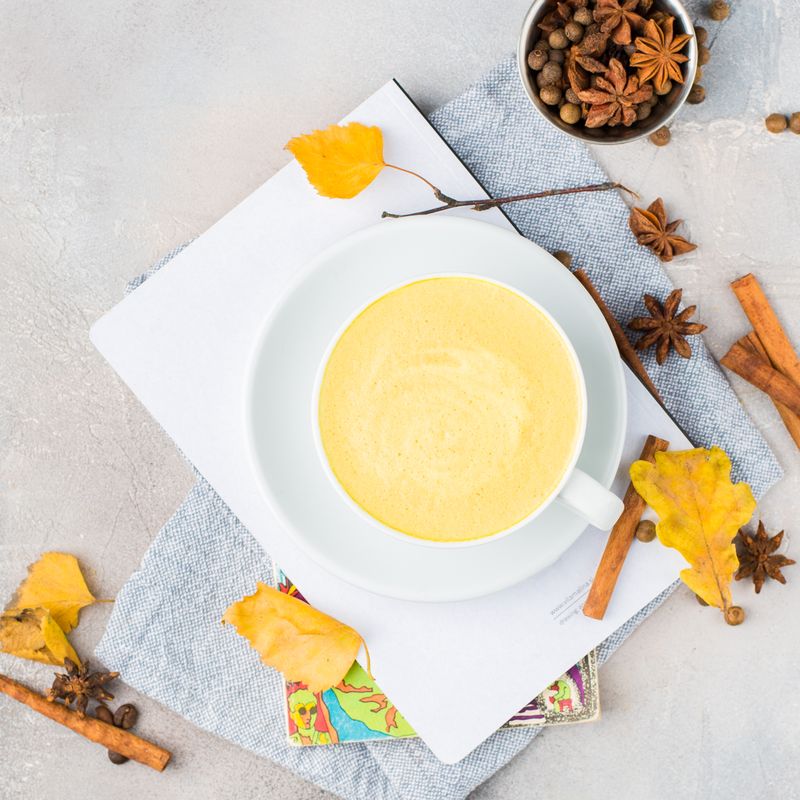
Colostrum is the first milk produced by mammals in the initial days after giving birth. It's thicker than regular milk, golden-yellow in color (the beta-carotene gives it that hue), and dramatically more concentrated in bioactive compounds than mature milk. In the supplement world, we're talking about bovine colostrum — sourced from cows, typically collected within the first 24-48 hours after calving.
Korea has actually been ahead of the curve on this. Ildong Foodis (일동후디스) launched Korea's first colostrum supplement, Choyumil (초유밀), back in 2000 — over two decades before Western brands like ARMRA made colostrum a TikTok trend. Now, with the K-wellness movement accelerating and functional supplements outselling traditional pills at Olive Young, colostrum is having its second act.
- Immunoglobulins (IgG)
- Antibodies that bind gut pathogens and allergens. The primary bioactive in colostrum supplements — concentration varies widely by brand.
- Lactoferrin
- An iron-binding glycoprotein with natural antimicrobial properties. Helps maintain healthy gut bacteria balance.
- Growth factors
- EGF, TGF-β, IGF-1 — support intestinal cell renewal and gut lining integrity. The mechanism behind gut barrier claims.
Does colostrum actually help gut health? What do clinical trials show?
This is where the evidence is strongest — and where the nuance matters most. A 2021 review in Nutrients analyzed 18 clinical studies on bovine colostrum and gastrointestinal health. None showed worse outcomes compared to placebo, which is a strong safety signal. But the results varied by condition.
How do you choose a colostrum supplement that actually works?
The Nutrients review made one thing clear: "not all colostrum preparations are equally effective when tested by bioassay." This means the brand and processing method matter enormously. Here's what to look for:
- IgG concentration
- This is the most important number on the label. Look for products that disclose a specific IgG percentage (e.g., 40% IgG). Brands that hide behind "proprietary blends" without disclosing IgG content are a red flag.
- Collection timing
- Colostrum collected within the first 6 hours has the highest IgG concentration. First-milking colostrum is significantly more potent than colostrum collected at 48 hours. Check if the brand specifies this.
- Low-heat processing
- High-heat pasteurization can denature immunoglobulins and growth factors. Look for "low-heat processed" or "flash pasteurized" on the label — this preserves the bioactive compounds.
- Form factor
- Powder is generally preferred over capsules — it mixes into drinks and allows higher dosing. Korea's supplement market is also seeing colostrum in stick packets and chewable formats for convenience.
What should you be skeptical about?
Colostrum is real, and the gut barrier evidence is solid. But the wellness industry has a habit of outrunning the science. Here's where the hype exceeds the data:
"Colostrum boosts your immune system" — The immunoglobulins in colostrum work primarily in the gut, binding pathogens locally. There's limited evidence they provide systemic immune enhancement in healthy adults. The athletic studies show context-specific benefits during heavy training, not general immune boosting.
"Colostrum for skin glow" — Some brands market colostrum as a beauty supplement. While gut health can influence skin appearance through the gut-skin axis, there are no direct clinical studies linking oral colostrum to measurable skin improvements.
"All colostrum is the same" — It's not. Processing, source, collection timing, and IgG concentration vary wildly between products. A cheap colostrum capsule and a properly processed first-milking powder are fundamentally different products.
Which colostrum products are worth considering?
These products disclose their IgG content and use processing methods designed to preserve bioactive compounds.
- 일동후디스 (Ildong Foodis) 초유 단백질 (Colostrum Protein) — Korea's original colostrum supplement brand since 2000. Uses New Zealand-sourced bovine colostrum protein in a powder format.
- WonderCow Colostrum Powder — Transparent label with guaranteed 40% IgG per serving. 100% colostrum without additives. Unflavored powder format for mixing.
- ARMRA Colostrum Immune Revival — Uses a proprietary cold-chain BioPotent filtration process. Available in single-serve stick packets and flavored options (blood orange, watermelon). IgG content not publicly disclosed.
For informational purposes only. Not intended as medical or professional advice.
초유, 한국 웰니스 업계가 주목하는 보충제. 과학적으로 어디까지 증명됐을까요?
출산 직후 만들어지는 "액체 금" 초유에는 면역글로불린, 락토페린, 성장인자가 가득해요. 장 장벽 지원에 대한 임상 근거가 가장 확실하지만, 웰니스 업계의 기대는 과학보다 앞서가고 있어요. 진짜 근거를 정리했어요.
초유가 뭐고, 왜 갑자기 어디서나 보일까요?
초유는 포유류가 출산 직후 며칠간 만들어내는 첫 번째 젖이에요. 일반 우유보다 걸쭉하고, 베타카로틴 때문에 금빛 노란색을 띠며, 성숙한 우유보다 생리활성 성분이 훨씬 높은 농도로 들어 있어요. 보충제로 쓰이는 건 소 초유(bovine colostrum)로, 보통 분만 후 24-48시간 이내에 수집돼요.
사실 한국이 이 분야에서 앞서 있었어요. 일동후디스는 2000년에 국내 최초 초유 보충제 초유밀을 출시했어요 — ARMRA 같은 서양 브랜드가 틱톡에서 초유를 유행시키기 20년도 더 전이에요. 이제 K-웰니스 흐름이 가속되고, 올리브영에서 기능성 보충제가 기존 알약보다 더 잘 팔리면서, 초유가 두 번째 전성기를 맞고 있어요.
- 면역글로불린 (IgG)
- 장내 병원균과 알레르겐에 결합하는 항체예요. 초유 보충제의 핵심 생리활성 성분으로, 브랜드마다 농도 차이가 커요.
- 락토페린
- 천연 항균 특성을 가진 철 결합 당단백질이에요. 건강한 장내 세균 균형 유지를 돕는 것으로 알려져 있어요.
- 성장인자
- EGF, TGF-β, IGF-1 등이 장 세포 재생과 장벽 무결성을 지원해요. 장 장벽 관련 효과의 핵심 메커니즘이에요.
초유가 장 건강에 정말 도움이 될까요? 임상시험 결과는?
근거가 가장 확실한 영역이면서, 뉘앙스가 가장 중요한 부분이에요. 2021년 Nutrients에 발표된 리뷰에서 초유와 위장 건강에 관한 임상연구 18건을 분석했어요. 위약 대비 나쁜 결과를 보인 연구는 하나도 없었는데, 이건 강한 안전성 신호예요. 하지만 결과는 상태에 따라 달랐어요.
효과 있는 초유 보충제, 어떻게 고를까요?
Nutrients 리뷰가 분명히 한 것이 하나 있어요: "모든 초유 제제가 생물학적 검정에서 동일한 효과를 보이지는 않는다"는 거예요. 브랜드와 가공 방식이 매우 중요하다는 뜻이에요. 확인할 포인트를 알려드릴게요:
- IgG 농도
- 라벨에서 가장 중요한 숫자예요. 구체적인 IgG 비율(예: IgG 40%)을 공개하는 제품을 찾으세요. "독자적 블렌드"라고만 쓰고 IgG 함량을 밝히지 않는 브랜드는 경계할 필요가 있어요.
- 수집 시점
- 출산 후 6시간 이내에 수집된 초유가 IgG 농도가 가장 높아요. 첫 번째 착유 초유는 48시간 뒤 수집된 것보다 훨씬 효과적이에요. 브랜드가 이 시점을 명시하는지 확인하세요.
- 저온 가공
- 고온 살균은 면역글로불린과 성장인자를 변성시킬 수 있어요. 라벨에 "저온 가공" 또는 "플래시 살균"이 적혀 있는지 확인하세요 — 생리활성 성분을 보존하는 방법이에요.
- 제형
- 캡슐보다 분말이 일반적으로 선호돼요 — 음료에 타 먹을 수 있고 고용량 섭취가 가능해요. 한국 시장에서는 스틱 포장이나 츄어블 형태의 초유도 등장하고 있어요.
어떤 주장에 회의적이어야 할까요?
초유는 실제로 효과가 있고, 장 장벽 관련 근거도 탄탄해요. 하지만 웰니스 업계는 과학을 앞질러 달리는 습관이 있어요. 과대광고가 데이터를 넘어서는 부분을 짚어볼게요:
"초유가 면역력을 높여준다" — 초유의 면역글로불린은 주로 장에서 국소적으로 병원균에 결합하는 방식으로 작용해요. 건강한 성인에게 전신 면역 강화를 제공한다는 근거는 제한적이에요. 운동 관련 연구도 고강도 훈련 시 특정 조건에서의 효과이지, 일반적인 면역 부스팅이 아니에요.
"초유가 피부를 빛나게 한다" — 일부 브랜드가 초유를 뷰티 보충제로 마케팅하고 있어요. 장 건강이 장-피부 축을 통해 피부에 영향을 줄 수 있지만, 경구 초유 섭취와 측정 가능한 피부 개선을 직접 연결하는 임상 연구는 아직 없어요.
"모든 초유는 같다" — 같지 않아요. 가공 방식, 원료, 수집 시점, IgG 농도가 제품마다 천차만별이에요. 값싼 초유 캡슐과 제대로 가공된 첫 착유 분말은 근본적으로 다른 제품이에요.
어떤 초유 제품을 고려해볼 만할까요?
이 제품들은 IgG 함량을 공개하고, 생리활성 성분 보존을 위한 가공 방식을 사용해요.
- 일동후디스 (Ildong Foodis) 초유 단백질 (Colostrum Protein) — 2000년부터 시작된 한국 최초 초유 보충제 브랜드예요. 뉴질랜드산 초유 단백을 분말 형태로 사용해요.
- WonderCow Colostrum Powder — 1회 섭취 당 IgG 40% 보장하는 투명한 라벨. 첨가물 없는 100% 초유. 무향 분말 형태로 음료에 타서 먹어요.
- ARMRA Colostrum Immune Revival — 독자적 저온 유통 BioPotent 여과 공정을 사용해요. 1회분 스틱 포장과 맛 옵션(블러드 오렌지, 수박)이 있어요. IgG 함량은 비공개예요.
본 콘텐츠는 정보를 제공하기 위한 것이며, 전문적인 의료 조언을 대신하지 않습니다.