Nutritional Intelligence
1 in 8 Americans Is on Ozempic or a GLP-1 Drug. It's Changing How Everyone Eats — Even If You're Not on One.
By J. Yoo
GLP-1 drugs are creating a new category of nutrition problems — muscle loss, nutrient gaps, and a food industry scrambling to catch up.
May 13, 2026 · 7 min read
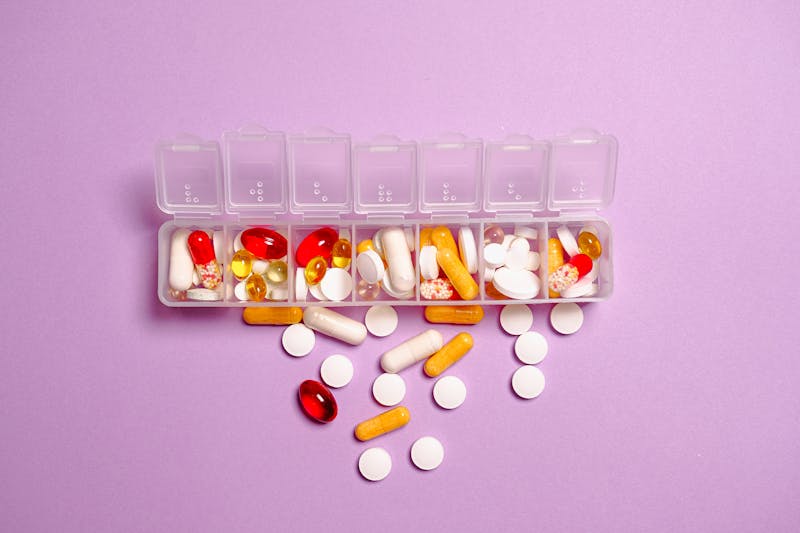
What Does Ozempic Actually Do to Your Body Beyond Weight Loss?
One in eight American adults is now on a GLP-1 drug — Ozempic, Wegovy, Zepbound, or Mounjaro. By 2030, J.P. Morgan estimates that number will hit 30 million. The drugs work by mimicking a gut hormone called GLP-1 (glucagon-like peptide-1), which slows digestion, signals fullness to the brain, and dramatically reduces appetite. The weight comes off fast. But so does a lot of what your body actually needs.
- 1 in 8
- U.S. adults currently taking a GLP-1 medication
- 20%+
- of patients develop a nutrient deficiency within one year of starting GLP-1 therapy
- ~40%
- of total weight lost on GLP-1 drugs can be lean mass — including muscle
Why Are GLP-1 Users Losing Muscle — Not Just Fat?
Here's the problem nobody warned you about. GLP-1 drugs suppress appetite so effectively that many users drop into a severe calorie and protein deficit without realizing it. When your body isn't getting enough protein, it starts breaking down muscle to fuel basic functions. In clinical trials, a meaningful portion of total weight lost on semaglutide was lean body mass — muscle, water, and connective tissue — not fat.
This is why roughly a third of GLP-1 users are now buying protein shakes, powders, and bars. It's not a fitness trend — it's a medical necessity that most prescribing doctors never mention.
What Nutrients Are GLP-1 Users Silently Losing?
In large-scale analyses, more than 20% of GLP-1 patients developed a diagnosed nutritional deficiency within their first year. The appetite suppression means you're eating less food overall — and less food means fewer vitamins, minerals, and electrolytes coming in. The drugs also slow gastric emptying, which can reduce absorption of nutrients that depend on normal digestive timing.
- Vitamin D
- The most commonly diagnosed deficiency in GLP-1 users. Already widespread in the general population, it gets worse when caloric intake drops. Critical for bone health — especially concerning when muscle mass is also declining.
- Vitamin B12
- GLP-1 drugs slow digestion, which can impair B12 absorption in the small intestine. Deficiency shows up as fatigue, brain fog, and tingling in the extremities.
- Magnesium & Electrolytes
- GLP-1 side effects like nausea, vomiting, and diarrhea deplete electrolytes fast. Magnesium, sodium, and potassium all drop — and combined with reduced food and fluid intake, diet alone can't keep up.
Why Is 'GLP-1 Friendly' Now a Food Label?
The food industry sees the writing on the wall. J.P. Morgan estimates GLP-1 drugs could wipe out $30 to $55 billion in annual food sales by 2030 as users simply eat less. The response? Rebrand everything as "GLP-1 friendly." Nestlé launched Vital Pursuit — frozen meals designed for weight-loss drug users, high in protein, portioned for suppressed appetites. Chobani's Complete yogurt drinks pack 15–30 grams of protein. Restaurants are adding high-protein, low-carb menus specifically targeting GLP-1 users.
What About Korea — Is the GLP-1 Wave Coming Here Too?
It's already here. Ozempic recently won health insurance reimbursement in Korea, though strict criteria currently limit access to type 2 diabetes patients. But the cultural appetite for weight management is driving demand beyond prescriptions. Korea's answer? "Cutting jelly" — a konjac-based supplement marketed as a non-prescription alternative to GLP-1 drugs. It went viral when Kylie Jenner posted about it, but cutting jelly only expands in your stomach to create fullness — it doesn't touch the brain-level appetite signaling that GLP-1 drugs do.
Meanwhile, Korean biotech firms are developing their own GLP-1 compounds, and Korean probiotics companies are already launching formulations specifically designed as GLP-1 companion supplements. As access widens, the same nutritional gaps hitting American users will arrive in Korea — and the K-wellness industry is positioning itself to respond.
What Supplements Should GLP-1 Users Actually Be Taking?
Most prescribing doctors give zero nutritional guidance alongside a GLP-1 prescription. Here's what the evidence says you should be pairing with the medication.
- Essential High-quality protein (whey, collagen, or plant-based) — Aim for 1.2–1.6 g per kg bodyweight daily. Protein shakes fill the gap when solid food feels impossible — roughly 30% of GLP-1 users already rely on them
- Essential Vitamin D3 + Magnesium + Electrolytes — The three most depleted nutrients on GLP-1 therapy. A combined supplement covers the base — but get your levels tested first
- Recommended HMB (β-Hydroxy β-Methylbutyrate) — A leucine metabolite shown to help preserve lean muscle mass during caloric restriction — increasingly recommended by sports medicine doctors for GLP-1 users
For informational purposes only. Not intended as medical or professional advice.
미국인 8명 중 1명이 오젬픽 복용 중. 안 먹는 사람의 식탁까지 바뀌고 있습니다
GLP-1 약물이 새로운 영양 문제를 만들고 있어요 — 근손실, 영양소 결핍, 그리고 따라잡으려는 식품 업계.
오젬픽은 체중 감량 말고 몸에 어떤 일을 할까요?
지금 미국 성인 8명 중 1명이 GLP-1 약물 — 오젬픽, 위고비, 젭바운드, 마운자로 — 을 복용하고 있어요. J.P. Morgan 추정에 따르면 2030년에는 3,000만 명에 이를 전망이에요. 이 약물은 GLP-1(글루카곤 유사 펩타이드-1)이라는 장 호르몬을 모방해서, 소화를 늦추고, 뇌에 포만감을 전달하며, 식욕을 극적으로 줄여요. 체중은 빠르게 빠져요. 하지만 몸에 꼭 필요한 것들도 함께 빠져나가요.
- 8명 중 1명
- 현재 GLP-1 약물을 복용 중인 미국 성인 비율
- 20% 이상
- GLP-1 치료 시작 1년 안에 영양소 결핍이 발생하는 환자 비율
- 약 40%
- GLP-1 약물로 감량한 체중 중 제지방량(근육 포함)이 차지하는 비율
GLP-1 사용자는 왜 지방만이 아니라 근육까지 잃을까요?
아무도 경고하지 않은 문제가 여기 있어요. GLP-1 약물은 식욕을 너무 효과적으로 억제해서, 많은 사용자가 자기도 모르게 심각한 칼로리·단백질 결핍에 빠져요. 몸이 충분한 단백질을 받지 못하면 기본 기능을 유지하기 위해 근육을 분해하기 시작해요. 임상시험에서 세마글루타이드로 감량한 체중의 상당 부분이 지방이 아닌 제지방량 — 근육, 수분, 결합조직 — 이었어요.
그래서 GLP-1 사용자의 약 3분의 1이 프로틴 쉐이크, 파우더, 바를 사고 있어요. 피트니스 트렌드가 아니에요 — 대부분의 처방 의사가 언급하지 않는 의학적 필수 사항이에요.
GLP-1 사용자가 모르는 사이에 잃고 있는 영양소는 뭘까요?
대규모 분석에서 GLP-1 환자의 20% 이상이 첫 1년 안에 영양소 결핍 진단을 받았어요. 식욕 억제는 전체 식사량 감소를 의미하고, 적게 먹으면 비타민, 미네랄, 전해질 섭취도 줄어요. 약물이 위 배출도 늦추기 때문에, 정상적인 소화 타이밍에 의존하는 영양소 흡수도 저하될 수 있어요.
- 비타민 D
- GLP-1 사용자에서 가장 흔한 결핍. 이미 일반 인구에서도 널리 부족한데, 칼로리 섭취가 줄면 더 심해져요. 뼈 건강에 필수적 — 근육량까지 감소할 때 특히 우려돼요.
- 비타민 B12
- GLP-1 약물이 소화를 늦추면서 소장에서의 B12 흡수가 저하될 수 있어요. 결핍 시 피로, 브레인 포그, 손발 저림이 나타나요.
- 마그네슘 & 전해질
- GLP-1의 부작용인 메스꺼움, 구토, 설사가 전해질을 빠르게 고갈시켜요. 마그네슘, 나트륨, 칼륨이 모두 떨어지고 — 줄어든 식사·수분 섭취와 합쳐지면 식단만으로 따라잡기 어려워요.
'GLP-1 프렌들리'가 왜 식품 라벨이 되었을까요?
식품 업계는 상황을 읽고 있어요. J.P. Morgan은 GLP-1 약물이 2030년까지 연간 300~550억 달러의 식품 매출을 없앨 수 있다고 추정해요 — 사용자들이 단순히 덜 먹으니까요. 대응은? 모든 걸 'GLP-1 프렌들리'로 리브랜딩하기. 네슬레는 Vital Pursuit를 출시했어요 — 체중감량 약물 사용자를 위한 냉동식품으로, 고단백에 억제된 식욕에 맞춘 포션이에요. 초바니 Complete 요거트 드링크는 단백질 15~30g을 담았어요. 레스토랑들은 GLP-1 사용자를 겨냥한 고단백 저탄수 메뉴를 추가하고 있어요.
한국에도 GLP-1 물결이 오고 있을까요?
이미 오고 있어요. 오젬픽이 최근 한국에서 건강보험 급여를 받았지만, 현재 엄격한 기준으로 2형 당뇨 환자에게만 접근이 제한돼요. 하지만 체중 관리에 대한 문화적 수요가 처방 너머로 확대되고 있어요. 한국의 대응은? '커팅 젤리' — GLP-1 약물의 비처방 대안으로 마케팅되는 곤약 기반 보충제예요. 카일리 제너가 포스팅하면서 바이럴됐지만, 커팅 젤리는 위에서 팽창해 포만감을 만들 뿐 — GLP-1 약물처럼 뇌 수준의 식욕 신호를 건드리지는 못해요.
한편 한국 바이오텍 기업들은 자체 GLP-1 화합물을 개발하고 있고, 한국 프로바이오틱스 기업들은 이미 GLP-1 동반 보충제로 설계된 제품을 출시하고 있어요. 접근성이 넓어지면 미국 사용자들이 겪는 같은 영양 결핍이 한국에도 올 거예요 — 그리고 K-웰니스 업계는 이미 대응 준비를 하고 있어요.
GLP-1 사용자가 실제로 먹어야 할 보충제는 뭘까요?
대부분의 처방 의사가 GLP-1 처방과 함께 영양 지도를 전혀 하지 않아요. 증거가 말하는, 약물과 함께 섭취해야 할 것들이에요.
- Essential High-quality protein (whey, collagen, or plant-based) — 하루 체중 1kg당 1.2~1.6g 목표. 고형 음식이 힘들 때 프로틴 쉐이크가 간극을 메워줘요 — GLP-1 사용자의 약 30%가 이미 의존하고 있어요
- Essential Vitamin D3 + Magnesium + Electrolytes — GLP-1 치료에서 가장 많이 고갈되는 세 가지 영양소. 복합 보충제가 기본을 커버해 주지만, 먼저 수치 검사를 받으세요
- Recommended HMB (β-Hydroxy β-Methylbutyrate) — 칼로리 제한 중 제지방량 보존에 도움이 되는 류신 대사산물 — 스포츠 의학 의사들이 GLP-1 사용자에게 점점 더 추천하고 있어요
본 콘텐츠는 정보를 제공하기 위한 것이며, 전문적인 의료 조언을 대신하지 않습니다.