Molecular Insights
Ginseng Has Been in Korean Skincare for 2,000 Years. The Molecular Science Finally Caught Up
By J. Yoo
Korean grandmothers knew ginseng was good for skin. Now researchers know why — ginsenosides, the bioactive compounds in ginseng root, have measurable effects on the appearance of firmness, brightness, and resilience.
June 5, 2026 · 7 min read
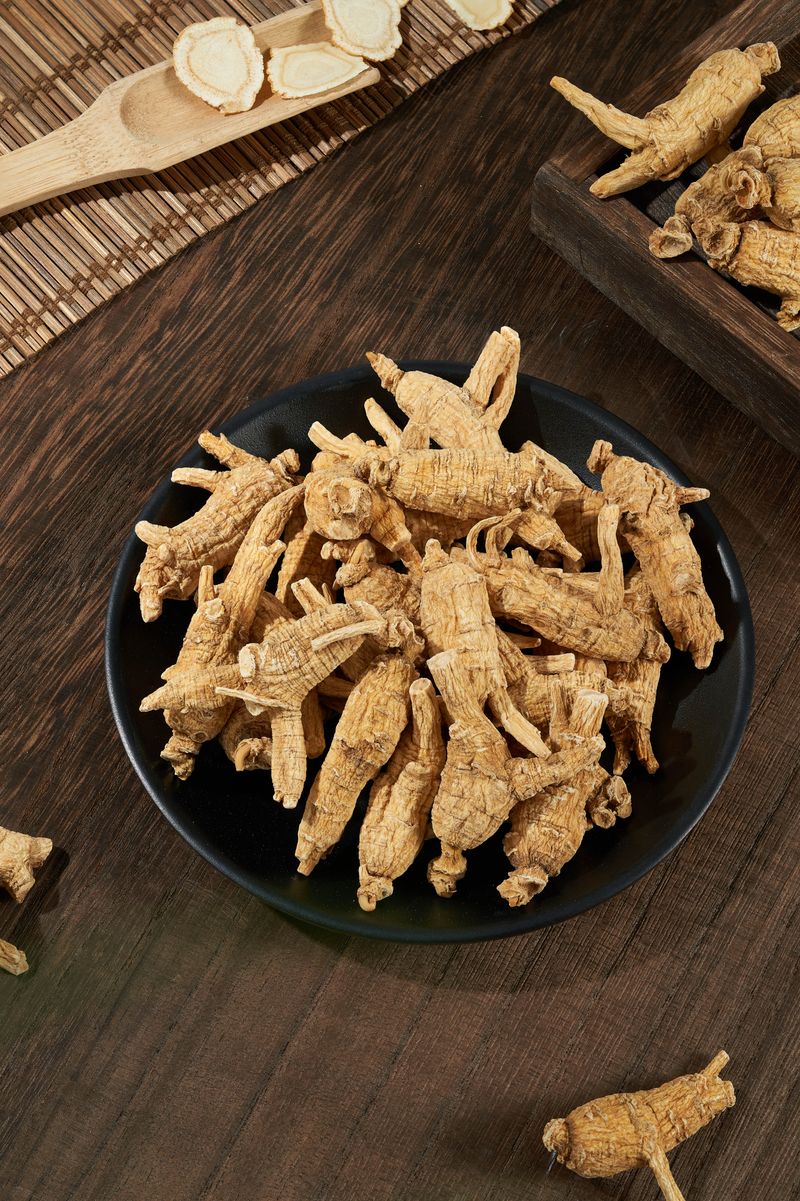
What makes ginseng different from other skincare ingredients?
Most trending skincare ingredients — PDRN, peptides, exosomes — are products of modern biotechnology. Ginseng is the opposite. It's been used in Korean medicine for over 2,000 years, and it's the ingredient that bridges hanbang tradition and peer-reviewed science.
The active compounds responsible are called ginsenosides — a family of over 30 saponins (natural soap-like molecules) unique to the Panax genus. Different ginsenosides do different things, and researchers have been mapping their effects on skin with increasing precision.
- 30+
- Ginsenosides identified in Panax ginseng — each with distinct biological profiles
- Rb1
- The most-studied ginsenoside for skin — associated with firmer-looking skin in multiple studies
- 2,000+ years
- Documented use of ginseng in Korean traditional medicine
Which ginsenosides matter most for skin?
What's the difference between raw ginseng, red ginseng, and ginseng berry?
- Raw (white) ginseng
- Dried without processing. Contains the full spectrum of ginsenosides but at lower concentrations than red ginseng. Most affordable tier — common in essence waters and toners.
- Red ginseng (홍삼)
- Steamed at high temperature, creating unique ginsenosides (Rg3, Rg5) not present in raw form. Richer antioxidant profile. The foundation of luxury K-beauty (Sulwhasoo, Donginbi). Korean ginseng is considered the most potent variety compared to Chinese or American ginseng.
- Ginseng berry
- The fruit of the ginseng plant — a newer entrant in skincare. Research suggests it contains higher concentrations of certain ginsenosides (particularly Re) than the root. Showing up in 2026 formulations as a next-generation ginseng extract.
Products worth considering
- Sulwhasoo Concentrated Ginseng Renewing Serum EX — The flagship red ginseng serum from Korea's leading hanbang luxury brand — decades of ginseng research in one bottle.
- Beauty of Joseon Revive Serum: Ginseng + Snail Mucin — Affordable entry point to ginseng skincare — combines ginseng root water with snail mucin for hydration and glow.
- Beauty of Joseon Ginseng Essence Water — 80% ginseng root water toner — lightweight hydrating prep step that builds the glow base before serums.
For informational purposes only. Not intended as medical or professional advice.
인삼은 2,000년간 한국 스킨케어에 있었어요. 분자 과학이 드디어 따라잡았습니다
할머니들은 인삼이 피부에 좋다는 걸 알고 있었어요. 이제 연구자들도 그 이유를 알아요 — 인삼 뿌리 속 생리활성 화합물인 진세노사이드가 탄력, 광채, 회복력의 외관에 측정 가능한 효과를 보여줘요.
인삼이 다른 스킨케어 성분과 다른 점은?
요즘 뜨는 스킨케어 성분 — PDRN, 펩타이드, 엑소좀 — 은 현대 생명공학의 산물이에요. 인삼은 정반대예요. 2,000년 넘게 한국 의학에서 사용되어 왔고, 한방 전통과 동료 심사 논문을 잇는 성분이에요.
그 효과를 담당하는 활성 화합물을 진세노사이드라고 해요 — 파낙스 속(인삼속)에 고유한 30종 이상의 사포닌(천연 비누 유사 분자) 계열이에요. 진세노사이드마다 다른 작용을 하고, 연구자들이 피부에 미치는 효과를 점점 더 정밀하게 밝히고 있어요.
- 30종+
- 파낙스 인삼에서 확인된 진세노사이드 — 각각 고유한 생물학적 프로파일을 가짐
- Rb1
- 피부에 대해 가장 많이 연구된 진세노사이드 — 여러 연구에서 탄탄해 보이는 피부와 연관
- 2,000년+
- 한국 전통 의학에서 인삼 사용이 기록된 기간
피부에 가장 중요한 진세노사이드는?
생삼, 홍삼, 인삼 열매의 차이점은?
- 백삼 (생삼)
- 가공 없이 건조. 전체 진세노사이드 스펙트럼을 포함하지만 홍삼보다 낮은 농도. 가장 합리적인 가격대 — 에센스 워터와 토너에 흔해요.
- 홍삼
- 고온에서 쪄서 생삼에 없는 고유 진세노사이드(Rg3, Rg5)를 생성해요. 더 풍부한 항산화 프로파일. 럭셔리 K-뷰티의 기반(설화수, 동인비). 한국 인삼이 중국산이나 미국산보다 가장 강력한 품종으로 여겨져요.
- 인삼 열매
- 인삼 식물의 열매 — 스킨케어에서 비교적 새로운 존재예요. 연구에 따르면 뿌리보다 특정 진세노사이드(특히 Re) 농도가 더 높다고 해요. 2026년 제형에서 차세대 인삼 추출물로 등장하고 있어요.
고려할 만한 제품들
- Sulwhasoo Concentrated Ginseng Renewing Serum EX — 한국 대표 한방 럭셔리 브랜드의 플래그십 홍삼 세럼 — 수십 년간의 인삼 연구를 한 병에.
- Beauty of Joseon Revive Serum: Ginseng + Snail Mucin — 인삼 스킨케어의 합리적 입문 — 인삼 뿌리수와 달팽이 뮤신을 결합해 수분과 광채를 더해요.
- Beauty of Joseon Ginseng Essence Water — 80% 인삼 뿌리수 토너 — 세럼 전에 광채 베이스를 만드는 가벼운 수분 공급 준비 단계.
본 콘텐츠는 정보를 제공하기 위한 것이며, 전문적인 의료 조언을 대신하지 않습니다.