Molecular Insights
Propolis Is K-Beauty's Quiet MVP. Here's Why It's in Everything
Not as hyped as retinol. Not as trendy as PDRN. But propolis — the resinous substance bees use to protect their hives — quietly shows up in more K-beauty products than almost any other ingredient. The science explains why.
June 4, 2026 · 6 min read
What is propolis, and why do bees make it?
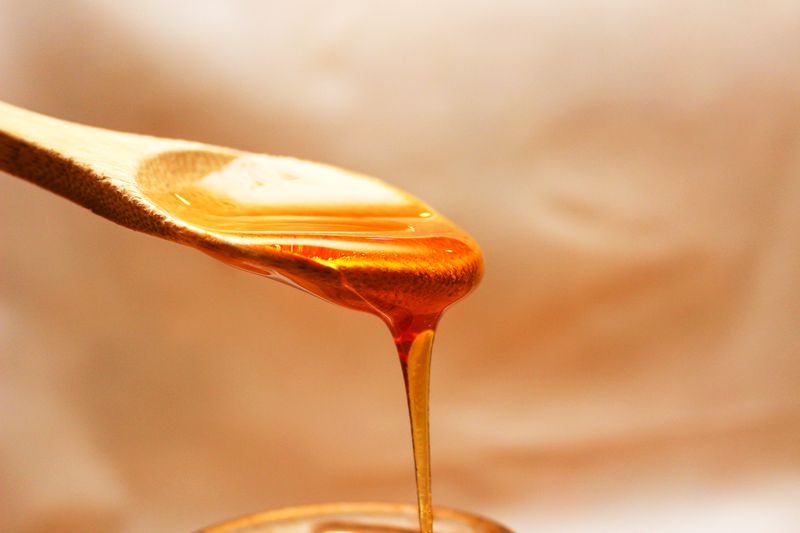
Propolis isn't honey. It's not beeswax. It's a sticky, resinous substance that bees create by mixing plant resins with their own enzymes. They use it to seal cracks in the hive, sterilize surfaces, and protect against invaders. It's essentially the hive's immune system in physical form.
The composition varies depending on what plants the bees have access to, but propolis consistently contains over 300 bioactive compounds. The most relevant for skincare are flavonoids (chrysin, galangin, pinocembrin) and caffeic acid phenethyl ester (CAPE) — both of which have been studied extensively for their antioxidant properties.
- 300+
- Bioactive compounds identified in propolis
- Flavonoids
- The primary antioxidant class — neutralizes free radicals before they reach skin cells
- CAPE
- Caffeic acid phenethyl ester — studied for its soothing and protective properties
What does propolis do for your skin?
How do you use propolis in a skincare routine?
Propolis is one of the most flexible ingredients in skincare — it plays well with nearly every active. It won't conflict with retinol, vitamin C, niacinamide, AHAs, or peptides. You can use it morning and night.
- As a serum (most popular)
- After toner, before moisturizer. Propolis ampoules and serums (60–80% concentration) deliver the most flavonoids. Pat gently — don't rub.
- As a toner
- Propolis toners (40–70% concentration) work as a hydrating prep step. Good for adding a glow base before layering stronger actives.
- As a cream (night)
- Propolis creams combine the extract with emollients and occlusives for overnight hydration. Best for dry or combination skin types.
Products worth considering
- COSRX Full Fit Propolis Light Ampoule — 73.5% propolis extract in a lightweight formula — the most-reviewed propolis product in K-beauty with over 50,000 ratings globally.
- Beauty of Joseon Glow Serum: Propolis + Niacinamide — 60% propolis + 2% niacinamide — a dual-action serum for glow and blemish-prone skin.
- COSRX Full Fit Propolis Synergy Toner — 72% propolis + honey extract toner — a hydrating first step that calms and preps.
For informational purposes only. Not intended as medical or professional advice.
프로폴리스가 K-뷰티의 숨은 MVP인 이유. 왜 모든 제품에 들어갈까?
레티놀만큼 유명하지도, PDRN만큼 트렌디하지도 않아요. 하지만 벌이 벌집을 보호하려고 만드는 수지 물질인 프로폴리스는 거의 모든 K-뷰티 제품에 조용히 들어가 있어요. 과학이 그 이유를 설명해 줘요.
프로폴리스가 뭐고, 벌은 왜 만들까?
프로폴리스는 꿀이 아니에요. 밀랍도 아니에요. 벌이 식물 수지와 자기 효소를 섞어서 만드는 끈적한 수지 물질이에요. 벌집의 틈을 메우고, 표면을 깨끗하게 유지하고, 침입자로부터 보호하는 데 써요. 말하자면 벌집의 면역 체계를 물리적 형태로 만든 거예요.
성분은 벌이 접근하는 식물에 따라 달라지지만, 프로폴리스에는 300가지 이상의 생리활성 화합물이 일관적으로 들어있어요. 스킨케어에 가장 관련 있는 건 플라보노이드(크리신, 갈란진, 피노셈브린)와 카페산 페네틸 에스터(CAPE)예요 — 둘 다 항산화 특성으로 광범위하게 연구되었어요.
- 300+
- 프로폴리스에서 확인된 생리활성 화합물 수
- 플라보노이드
- 주요 항산화 물질 — 활성산소가 피부 세포에 도달하기 전에 중화
- CAPE
- 카페산 페네틸 에스터 — 진정 및 보호 특성으로 연구됨
프로폴리스가 피부에 어떤 효과를 줄까?
스킨케어 루틴에서 프로폴리스를 어떻게 사용할까?
프로폴리스는 스킨케어에서 가장 유연한 성분 중 하나예요 — 거의 모든 활성 성분과 잘 어울려요. 레티놀, 비타민C, 나이아신아마이드, AHA, 펩타이드와 충돌하지 않아요. 아침 저녁 모두 사용할 수 있어요.
- 세럼으로 (가장 인기)
- 토너 후, 보습제 전. 프로폴리스 앰플과 세럼(60~80% 농도)이 플라보노이드를 가장 많이 전달해요. 문지르지 말고 살살 두드려 주세요.
- 토너로
- 프로폴리스 토너(40~70% 농도)는 수분 공급 준비 단계로 좋아요. 더 강한 활성 성분을 바르기 전에 광채 베이스를 깔아줘요.
- 크림으로 (밤)
- 프로폴리스 크림은 추출물에 연화제와 밀폐제를 결합해 밤새 수분을 공급해요. 건성이나 복합성 피부에 가장 좋아요.
고려할 만한 제품들
- COSRX Full Fit Propolis Light Ampoule — 73.5% 프로폴리스 추출물의 가벼운 포뮬러 — 전 세계 50,000개 이상의 리뷰를 받은 K-뷰티 최다 리뷰 프로폴리스 제품.
- Beauty of Joseon Glow Serum: Propolis + Niacinamide — 60% 프로폴리스 + 2% 나이아신아마이드 — 광채와 트러블 피부를 위한 이중 작용 세럼.
- COSRX Full Fit Propolis Synergy Toner — 72% 프로폴리스 + 꿀 추출물 토너 — 진정하고 준비하는 수분 공급 첫 단계.
본 콘텐츠는 정보를 제공하기 위한 것이며, 전문적인 의료 조언을 대신하지 않습니다.