Molecular Insights
Your Skin Changes Every 7 Years. Here's What It Actually Needs at 20, 30, and 40.
By J. Yoo
Collagen drops 1% per year after 25. Cell turnover slows. Moisture retention weakens. The ingredients your skin needs aren't the same at every age — here's the science of what to prioritize when.
May 27, 2026 · 7 min read
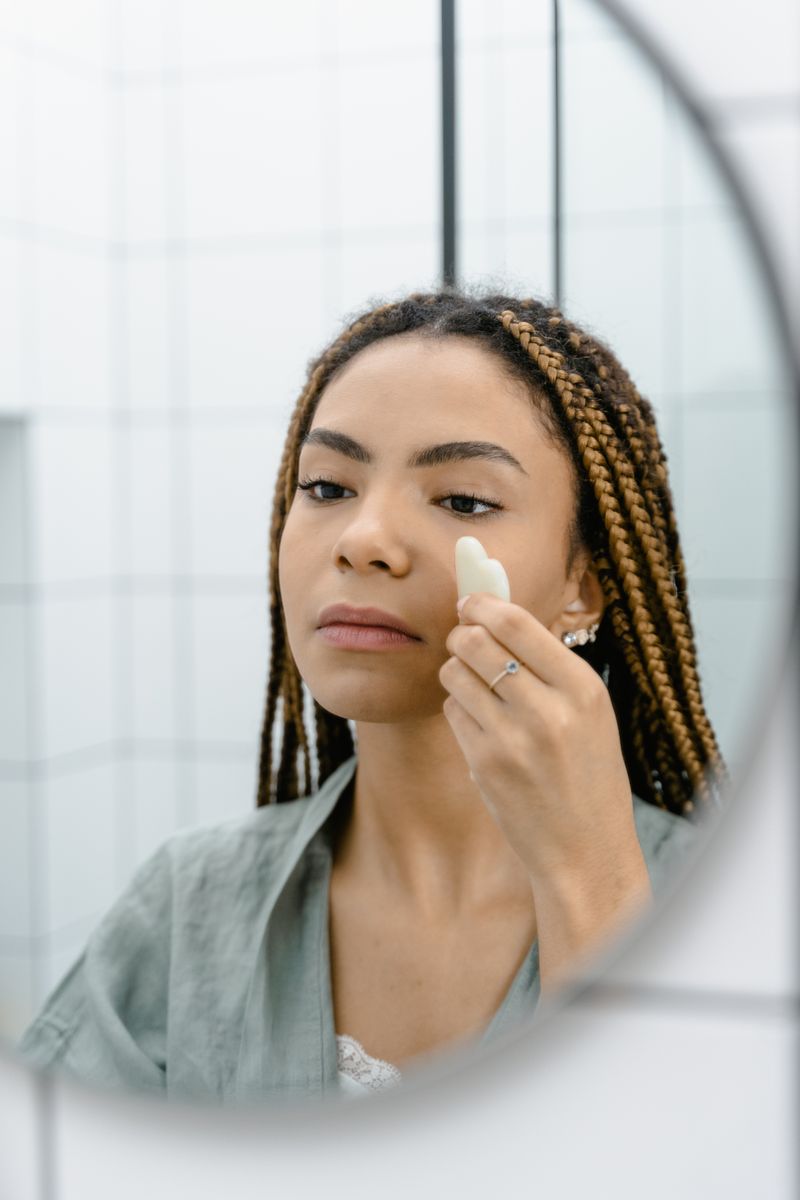
What Actually Happens to Your Skin as You Age?
Your skin is not the same organ at 40 that it was at 20. Roughly 1% of dermal collagen is lost per year starting in your mid-twenties, according to dermatological research. Cell turnover — the rate at which your body replaces old skin cells with new ones — slows from every 14–20 days in your twenties to 28–35 days by your forties. Ceramide production drops. Sebum output shifts. Even the composition of your skin's microbiome changes.
- ~1% per year
- Collagen loss rate starting in your mid-20s
- 14 → 35 days
- Cell turnover cycle slows from 20s to 40s
- ~30% in 5 years
- Collagen loss around menopause for women
What Should You Prioritize in Your 20s?
Your 20s are about prevention, not correction. Collagen is still being produced at near-peak levels. Your barrier is strong. Cell turnover is fast. The visible signs of aging haven't appeared yet — but the UV damage that will cause them in 10 years is accumulating right now.
What Changes in Your 30s — and What Should You Add?
By your early 30s, the first visible changes start appearing: faint lines around the eyes, early texture changes, the occasional dark spot that takes longer to fade. This is when prevention meets early intervention. Your barrier is still functional, but it's no longer invincible.
What Does Your Skin Need in Your 40s?
By your 40s, cumulative collagen loss becomes structurally visible. Skin feels drier because ceramide production has declined. Fine lines deepen. Elasticity changes become noticeable. This is not a crisis — it's biology. But your product choices now should prioritize structural support over surface-level glow.
The One Thing That Matters at Every Age
If there's a single ingredient that belongs in every decade, it's sunscreen. UV radiation is responsible for up to 80% of visible facial aging — more than genetics, more than diet, more than any other environmental factor. The best time to start wearing daily SPF was ten years ago. The second best time is today.
Products for Every Decade
- Beauty of Joseon Relief Sun: Rice + Probiotics SPF 50+ — 20s essential — lightweight daily SPF that layers beautifully under makeup
- COSRX The Niacinamide 15 Serum — 30s addition — high-concentration niacinamide for tone and barrier support
- Celimax Vita-A Retinal Shot Tightening Booster — 30s–40s — retinal (stronger than retinol) for visible texture improvement
- AESTURA Atobarrier365 Cream — 40s essential — ceramide-rich barrier cream for mature, dry skin
For informational purposes only. Not intended as medical or professional advice.
피부는 7년마다 바뀐다. 20대, 30대, 40대 — 각 시기에 정말 필요한 성분은?
25세부터 콜라겐이 매년 1%씩 줄어들고, 세포 교체 속도는 느려지고, 수분 보유력은 약해져요. 나이에 따라 필요한 성분은 달라요 — 언제 무엇을 우선해야 하는지 과학으로 정리했어요.
나이가 들면 피부에 실제로 무슨 일이 일어날까?
40세의 피부는 20세 때와 같은 기관이 아니에요. 피부과 연구에 따르면 25세 중반부터 매년 진피 콜라겐의 약 1%가 감소해요. 세포 교체 주기는 20대의 14~20일에서 40대엔 28~35일로 느려지고, 세라마이드 생산은 줄고, 피지 분비 패턴도 바뀌고, 피부 마이크로바이옴 구성까지 달라져요.
- 연간 ~1%
- 25세 중반부터 시작되는 콜라겐 감소율
- 14 → 35일
- 20대에서 40대로 가며 느려지는 세포 교체 주기
- 5년간 ~30%
- 여성 폐경 전후 콜라겐 감소량
20대에 우선해야 할 것은?
20대는 교정이 아니라 예방의 시기예요. 콜라겐은 아직 거의 최대 수준으로 생산되고 있고, 장벽은 튼튼하고, 세포 교체도 빨라요. 노화의 가시적 징후는 아직 없지만, 10년 후 그 징후를 만들어낼 자외선 손상은 지금 쌓이고 있어요.
30대에 무엇이 바뀌고, 무엇을 추가해야 할까?
30대 초반이 되면 첫 번째 가시적 변화가 나타나기 시작해요: 눈가의 미세한 주름, 초기 텍스처 변화, 사라지는 데 더 오래 걸리는 잡티. 예방과 초기 개입이 만나는 시점이에요. 장벽은 아직 기능하지만 더 이상 무적은 아니에요.
40대 피부에 필요한 것은?
40대가 되면 누적된 콜라겐 감소가 구조적으로 보이기 시작해요. 세라마이드 생산 감소로 피부가 건조해지고, 잔주름은 깊어지고, 탄력 변화가 눈에 띄어요. 위기가 아니라 생물학이에요. 하지만 이제 제품 선택은 표면적 광채보다 구조적 지지를 우선해야 해요.
모든 나이에 중요한 단 한 가지
모든 연령대에 필요한 단 하나의 성분이 있다면, 그건 자외선차단제예요. 자외선은 가시적 얼굴 노화의 최대 80%를 차지해요 — 유전, 식단, 다른 환경 요인보다 더 많이. 매일 SPF를 바르기 시작할 최적의 시기는 10년 전이었어요. 두 번째 최적의 시기는 바로 오늘이에요.
나이별 추천 제품
- Beauty of Joseon Relief Sun: Rice + Probiotics SPF 50+ — 20대 필수 — 메이크업 밑에 잘 밀착되는 가벼운 데일리 SPF
- COSRX The Niacinamide 15 Serum — 30대 추가 — 톤과 장벽 케어를 위한 고농축 나이아신아마이드
- Celimax Vita-A Retinal Shot Tightening Booster — 30~40대 — 눈에 띄는 텍스처 개선을 위한 레티날(레티놀보다 강력)
- AESTURA Atobarrier365 Cream — 40대 필수 — 성숙하고 건조한 피부를 위한 세라마이드 장벽 크림
본 콘텐츠는 정보를 제공하기 위한 것이며, 전문적인 의료 조언을 대신하지 않습니다.