Molecular Insights
Collagen Banking in Your 20s: Smart Prevention or Expensive Placebo?
You lose roughly 1% of your collagen every year after 25. "Collagen banking" says you should start fighting that decline now — before you see a single wrinkle. But which habits actually build reserves, and which are just marketing dressed as prevention?
June 4, 2026 · 7 min read
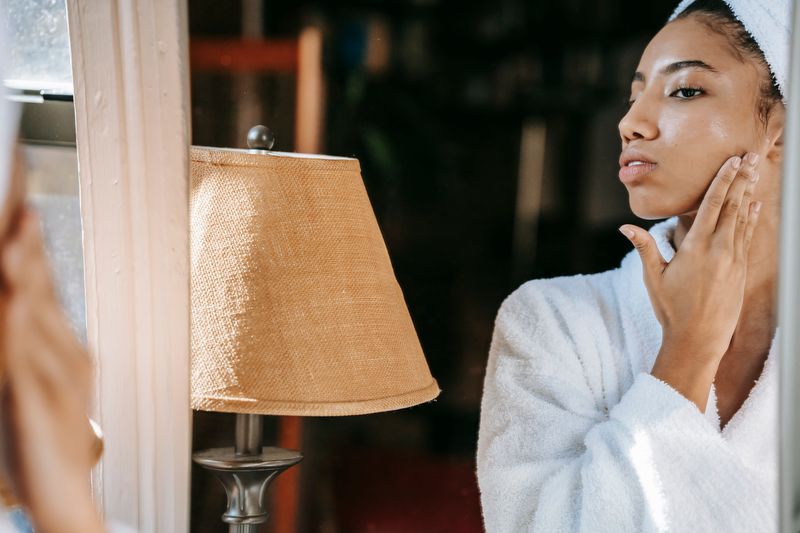
What is collagen banking, and why is everyone talking about it?
Collagen banking isn't a procedure. It's a philosophy: start protecting collagen before you need to replace it. Think of it like a retirement fund — the earlier you contribute, the more you'll have later.
The science behind the urgency is real. A landmark study published in the American Journal of Pathology found that collagen production in skin fibroblasts decreases measurably with age — with both cellular aging and reduced mechanical tension in older skin contributing to the decline. By your mid-20s, collagen synthesis begins slowing at roughly 1–1.5% per year.
- ~1–1.5%
- Collagen production decline per year after mid-20s
- 10–50%
- Total skin thickness reduction between ages 30 and 80
- Type I & III
- The collagen types most affected by chronological aging
Which habits actually protect collagen — and which are just noise?
What about peptides? Peptides like Matrixyl (palmitoyl pentapeptide-4) have some clinical evidence for supporting firmer-looking skin, but their effectiveness depends heavily on formulation and concentration. They're a reasonable addition — not a replacement for sunscreen or retinoids.
Do collagen creams and supplements actually bank anything?
Here's where things get complicated. Collagen molecules in most creams are far too large to penetrate the stratum corneum — they sit on the surface and hydrate, which is fine, but it's not "banking." Calling a cream "collagen" doesn't mean it's building collagen.
Oral collagen peptides are a different story. A 2026 systematic review and meta-analysis in the American Journal of Medicine analyzed randomized controlled trials and found that oral collagen supplementation was associated with improvements in skin hydration and elasticity measurements. The catch: most studies are small, short-term, and sometimes funded by supplement companies. Promising — but not conclusive.
- ✅ Evidence-backed
- Daily SPF 30+ · Retinol / tretinoin · Topical vitamin C (10–20%) · Oral collagen peptides (2.5–10g/day) · Not smoking · Sleep (7–9 hours)
- ⚠️ Overstated or unproven
- Topical collagen creams (too large to penetrate) · Red light devices (weak home-use evidence) · "Collagen-boosting" foods without peptide form · IV collagen drips
What does a realistic collagen-banking routine look like?
The Korean approach to well-aging has always leaned preventive — and it turns out the science agrees. You don't need 12 steps or a $300 serum. You need consistency with the basics.
- Morning
- Gentle cleanser → Vitamin C serum (15–20%) → Moisturizer → SPF 50+ PA++++ (reapply every 2 hours in sun)
- Evening
- Double cleanse → Retinol (start 0.025–0.05%, build up) → Moisturizer or sleeping mask
That's it. Everything else — peptides, growth factors, LED masks — is optional. The gap between a $40 routine and a $400 routine is mostly texture, fragrance, and packaging. The actives that matter are well-studied and widely available.
Products worth considering
- Beauty of Joseon Relief Sun: Rice + Probiotics SPF50+ PA++++ — Daily SPF that sits well under makeup — the first and most important step in any collagen-banking routine.
- COSRX The Vitamin C 23 Serum — High-concentration L-ascorbic acid with minimal filler — straightforward antioxidant defense.
- Medicube Age-R Retinol Ampoule 0.3 — Encapsulated retinol with soothing centella — a K-beauty-style introduction to retinoids for beginners.
For informational purposes only. Not intended as medical or professional advice.
20대 콜라겐 뱅킹, 똑똑한 예방일까 비싼 플라시보일까?
25세 이후 매년 약 1%씩 줄어드는 콜라겐. '콜라겐 뱅킹'은 주름이 생기기 전부터 미리 대비하라고 해요. 진짜 효과 있는 습관과 마케팅만 앞세운 제품, 어떻게 구별할까요?
콜라겐 뱅킹이 뭔데, 왜 이렇게 난리일까?
콜라겐 뱅킹은 시술이 아니에요. 콜라겐이 부족해지기 전에 미리 지키자는 철학이죠. 노후 자금처럼, 일찍 시작할수록 나중에 남는 게 많아요.
American Journal of Pathology에 실린 연구에 따르면, 피부 섬유아세포의 콜라겐 생성은 나이가 들수록 뚜렷하게 줄어들어요. 세포 자체의 노화와 피부 조직의 기계적 자극 감소가 함께 작용하죠. 20대 중반부터 매년 약 1~1.5%씩 합성량이 줄기 시작해요.
- ~1~1.5%
- 20대 중반 이후 매년 감소하는 콜라겐 생성량
- 10~50%
- 30세에서 80세 사이 전체 피부 두께 감소율
- I형 & III형
- 시간에 따른 노화에 가장 영향받는 콜라겐 유형
진짜 콜라겐을 지키는 습관은? 효과 없는 건 뭘까?
펩타이드는? 마트릭실(팔미토일 펜타펩타이드-4) 같은 펩타이드는 탄력 있어 보이는 피부를 돕는다는 임상 근거가 일부 있지만, 제형과 농도에 크게 좌우돼요. 합리적인 추가 단계이지, 자외선 차단제나 레티노이드를 대체할 수는 없어요.
콜라겐 크림이나 보충제가 진짜 '저축' 효과가 있을까?
여기서부터 복잡해져요. 대부분의 크림에 들어있는 콜라겐 분자는 각질층을 통과하기엔 너무 커요. 피부 표면에 남아서 보습은 해주지만, 그걸 '뱅킹'이라고 하기는 어렵죠. 크림 이름에 '콜라겐'이 들어간다고 콜라겐이 만들어지는 건 아니에요.
경구 콜라겐 펩타이드는 얘기가 달라요. 2026년 American Journal of Medicine에 실린 체계적 문헌 고찰과 메타분석에서, 경구 콜라겐 보충이 피부 수분과 탄력 수치 개선과 관련이 있다는 결과가 나왔어요. 하지만 대부분의 연구가 소규모이고 단기간이며, 보충제 회사가 후원한 경우도 있어요. 유망하지만, 확정적이지는 않아요.
- ✅ 근거 있음
- 매일 SPF 30+ · 레티놀 / 트레티노인 · 토피컬 비타민C (10~20%) · 경구 콜라겐 펩타이드 (2.5~10g/일) · 금연 · 수면 (7~9시간)
- ⚠️ 과장되거나 미검증
- 토피컬 콜라겐 크림 (분자가 너무 큼) · 가정용 LED 기기 (근거 부족) · 펩타이드 형태가 아닌 '콜라겐' 식품 · IV 콜라겐 드립
현실적인 콜라겐 뱅킹 루틴은 어떻게 생겼을까?
한국식 '웰에이징' 접근법은 언제나 예방 중심이었어요. 그리고 과학도 같은 말을 하고 있죠. 12단계 루틴이나 30만 원짜리 세럼이 필요한 게 아니에요. 기본에 충실한 꾸준함이 필요해요.
- 아침
- 순한 클렌저 → 비타민C 세럼 (15~20%) → 보습제 → SPF 50+ PA++++ (야외 시 2시간마다 덧바르기)
- 저녁
- 이중 세안 → 레티놀 (0.025~0.05%부터 시작, 점진적 증가) → 보습제 또는 수면팩
끝이에요. 나머지 — 펩타이드, 성장인자, LED 마스크 — 는 선택사항이에요. 4만 원 루틴과 40만 원 루틴의 차이는 대부분 텍스처, 향, 패키징이에요. 중요한 활성 성분은 이미 충분히 연구되었고 어디서든 구할 수 있어요.
고려할 만한 제품
- Beauty of Joseon Relief Sun: Rice + Probiotics SPF50+ PA++++ — 메이크업 밑에 잘 밀착되는 데일리 SPF — 콜라겐 뱅킹의 첫 번째이자 가장 중요한 단계.
- COSRX The Vitamin C 23 Serum — 최소한의 부형제로 만든 고농도 L-아스코르브산 — 직관적인 항산화 방어.
- Medicube Age-R Retinol Ampoule 0.3 — 센텔라와 함께 캡슐화된 레티놀 — 레티노이드 입문자를 위한 K-뷰티 스타일.
본 콘텐츠는 정보를 제공하기 위한 것이며, 전문적인 의료 조언을 대신하지 않습니다.