Molecular Insights
Your Vitamin C Serum Is Probably Oxidized. Here's How to Tell — and What to Use Instead.
L-ascorbic acid starts degrading the moment it touches air. Color change is the obvious sign — but pH drift and a metallic smell come first. Stable derivatives like ethyl ascorbic acid and MAP skip the problem entirely.
May 16, 2026 · 6 min read
Why Does Vitamin C Serum Oxidize So Easily?
L-ascorbic acid — the pure form of vitamin C used in most serums — is one of the most effective antioxidants in skincare. It neutralizes free radicals, associated with firmer-looking skin, and fades hyperpigmentation. The problem is that the same chemical reactivity that makes it powerful also makes it unstable. The moment L-ascorbic acid contacts oxygen, light, or water above pH 3.5, it begins a degradation cascade. First it oxidizes to dehydroascorbic acid (DHAA), which still has some activity. But DHAA quickly breaks down further into diketogulonic acid — a compound with zero skincare benefit and potential to irritate.
How Can You Tell If Your Vitamin C Serum Has Oxidized?
Color change is the most obvious sign — but it's actually the last stage of oxidation, not the first. By the time your serum turns dark yellow or orange, most of the L-ascorbic acid is already gone. Here are the signs in order of when they appear:
- 1. pH Drift
- A rise of ≥0.3 pH units within a week signals active degradation — even if the serum still looks clear. You won't notice this without pH strips, which is why most people miss early oxidation.
- 2. Metallic Smell
- Oxidation produces volatile aldehydes like furfural — they create a sharp, vinegar-like or wet-metal scent even at trace concentrations. If your serum smells different than when you first opened it, that's oxidation.
- 3. Color Change
- Fresh L-ascorbic acid serum should be clear to very pale yellow. Dark yellow → orange → brown means melanoidin-like polymers have formed. At this point, the serum is not just inactive — it can generate free radicals that damage skin.
What Makes Some Vitamin C Serums More Stable Than Others?
Two strategies exist: stabilize L-ascorbic acid with helper ingredients, or skip it entirely and use a derivative that doesn't oxidize in the first place.
Strategy 1: The CE Ferulic Approach. Ferulic acid and vitamin E (tocopherol) act as sacrificial antioxidants — they donate electrons to renews oxidized ascorbic acid before it degrades further. The famous Skinceuticals CE Ferulic patent showed this combination doubles the photoprotection of vitamin C alone and extends shelf stability. Chelating agents like EDTA also help by trapping trace metal ions that catalyze oxidation.
Strategy 2: Stable Derivatives. These are modified versions of vitamin C that don't need the extreme low pH or airtight packaging. They convert to active ascorbic acid after application — inside the skin, where oxidation isn't a problem.
- 3-O-Ethyl Ascorbic Acid
- The closest performer to pure L-ascorbic acid. Fast-absorbing, stable at a wide pH range, and doesn't need antioxidant co-pilots. K-beauty's favorite stable vitamin C — used in most Korean vitamin C serums in 2026.
- Ascorbyl Glucoside (AA-2G)
- A glucose molecule shields vitamin C from oxygen until skin enzymes cleave it off. Gentle enough for daily use on sensitive skin, but about half as potent as L-ascorbic acid — you need higher concentrations.
- MAP (Magnesium Ascorbyl Phosphate)
- The gentlest option. Light-stable, oxygen-stable, retains up to 95% potency even at 40°C. Best for dry or barrier-compromised skin. Also the only derivative with dedicated acne research.
- SAP (Sodium Ascorbyl Phosphate)
- Water-soluble, stable, and specifically tested on acne-prone skin. At 5%, it showed significant reduction in inflammatory lesions. Good for oily skin types who want vitamin C without the heaviness.
How Should You Store Vitamin C Serum to Prevent Oxidation?
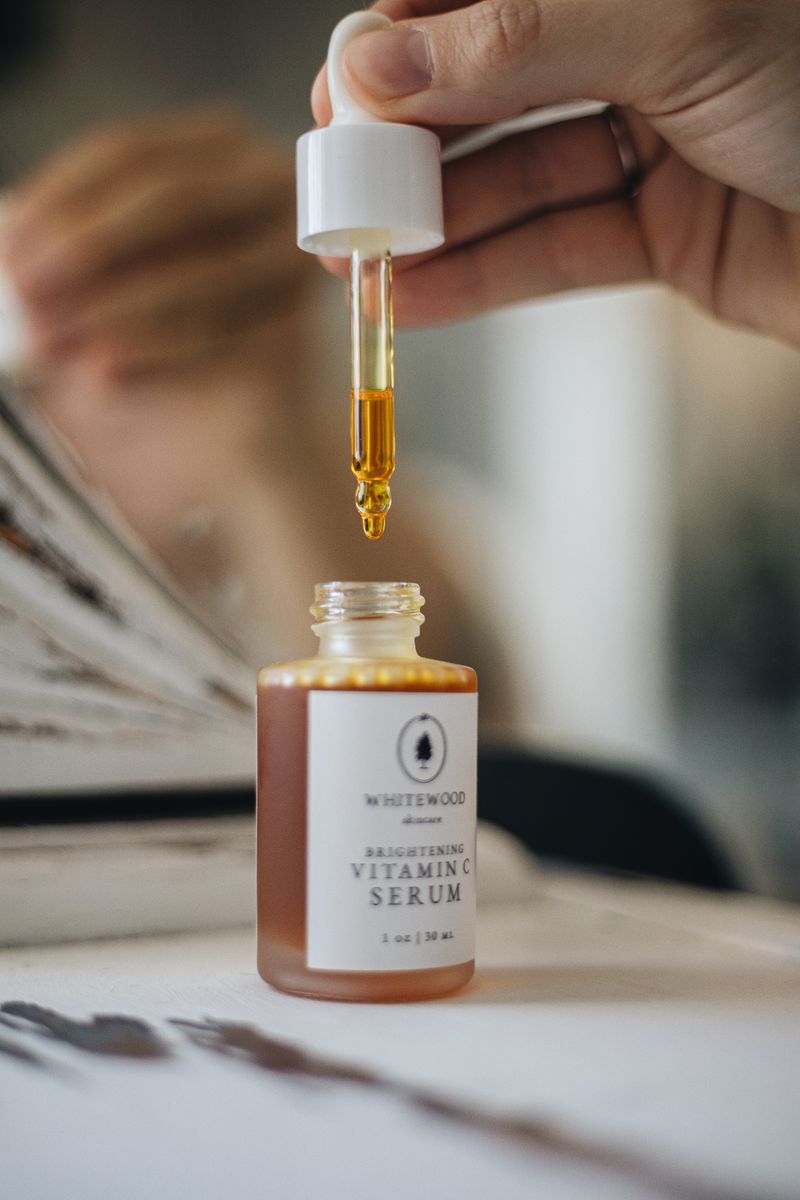
If you're committed to pure L-ascorbic acid, storage matters more than brand. Keep the bottle in the fridge — cold slows oxidation significantly. Always close the cap tightly after use, and never decant into a jar or open container. Airless pump bottles are better than droppers because droppers introduce oxygen with every use. Use the product within 2-3 months of opening, and if you see any color shift past pale straw, it's time to replace it.
Which K-Beauty Vitamin C Products Actually Work?
Korean brands have largely moved away from pure L-ascorbic acid and toward stable derivatives — which is why K-beauty vitamin C serums tend to last longer and irritate less than their Western counterparts.
- Beauty of Joseon Light On Serum: Centella + Vita C — Stable vitamin C derivative + centella for calming. Gentle enough for daily use on reactive skin.
- COSRX The Vitamin C 23 Serum — 23% pure L-ascorbic acid with vitamin E and ferulic acid. High potency — the CE Ferulic approach at a K-beauty price.
- Klairs Freshly Juiced Vitamin Drop — 5% ascorbic acid — perfect for beginners. Low concentration means less oxidation risk and zero sting.
- Purito Pure Vitamin C Serum — Gentle formula with hyaluronic acid and red ginseng. Good for sensitive skin that wants brightening without irritation.
For informational purposes only. Not intended as medical or professional advice.
그 비타민C 세럼, 이미 산화됐을 수 있어요. 확인하는 방법과 대안 총정리
L-아스코르브산은 공기에 닿는 순간부터 분해가 시작돼요. 색 변화가 가장 눈에 띄지만, pH 변화와 금속성 냄새가 먼저 나타납니다. 에틸아스코르빅애시드나 MAP 같은 안정형 유도체는 이 문제를 근본적으로 해결해줘요.
비타민C 세럼은 왜 이렇게 쉽게 산화될까요?
L-아스코르브산 — 대부분의 세럼에 사용되는 순수 비타민C — 은 스킨케어에서 가장 효과적인 항산화 성분 중 하나예요. 활성산소를 중화하고, 콜라겐 합성을 촉진하며, 색소침착을 완화해줘요. 문제는 강력한 효능을 만드는 바로 그 화학적 반응성이 불안정성의 원인이라는 거예요. L-아스코르브산은 산소, 빛, pH 3.5 이상의 수분과 접촉하는 순간 분해가 시작돼요. 먼저 디하이드로아스코르브산(DHAA)으로 산화되는데, 이 단계에서는 아직 약간의 활성이 남아있어요. 하지만 DHAA는 곧 디케토굴론산으로 분해되고 — 이건 스킨케어 효과가 전혀 없고 오히려 자극을 줄 수 있는 물질이에요.
비타민C 세럼이 산화됐는지 어떻게 알 수 있나요?
색 변화가 가장 눈에 띄는 신호지만, 사실 산화의 마지막 단계이지 첫 번째 단계가 아니에요. 세럼이 짙은 노란색이나 주황색으로 변했을 때는 이미 대부분의 L-아스코르브산이 사라진 뒤예요. 산화 신호가 나타나는 순서대로 정리하면:
- 1. pH 변화
- 일주일 내 pH가 0.3 이상 올라가면 분해가 시작된 거예요 — 세럼이 아직 투명해 보여도요. pH 시험지 없이는 알기 어렵기 때문에 대부분 초기 산화를 놓쳐요.
- 2. 금속성 냄새
- 산화 과정에서 푸르푸랄 같은 휘발성 알데하이드가 생성돼요 — 극미량으로도 식초나 젖은 금속 같은 날카로운 냄새가 나요. 처음 개봉했을 때와 냄새가 다르다면, 산화가 진행된 거예요.
- 3. 색 변화
- 신선한 L-아스코르브산 세럼은 투명하거나 아주 연한 노란색이어야 해요. 짙은 노란색 → 주황색 → 갈색은 멜라노이딘 유사 폴리머가 형성된 거예요. 이 단계에서는 효과가 없을 뿐만 아니라, 오히려 피부를 손상시키는 활성산소를 생성할 수 있어요.
어떤 비타민C 세럼이 더 안정적인가요?
두 가지 전략이 있어요: 보조 성분으로 L-아스코르브산을 안정화하거나, 아예 산화되지 않는 유도체를 사용하는 거예요.
전략 1: CE 페룰릭 접근법. 페룰산과 비타민E(토코페롤)는 희생 항산화제로 작용해요 — 산화된 아스코르브산에 전자를 공여해서 추가 분해를 막아줘요. 유명한 스킨수티컬즈 CE 페룰릭 특허는 이 조합이 비타민C 단독 대비 광보호 효과를 2배로 높이고 안정성을 연장한다는 걸 보여줬어요. EDTA 같은 킬레이트제도 산화를 촉진하는 미량 금속 이온을 포착해서 도움을 줘요.
전략 2: 안정형 유도체. 극도로 낮은 pH나 밀봉 포장이 필요 없는 변형된 비타민C예요. 도포 후 피부 안에서 활성 아스코르브산으로 전환되기 때문에 산화가 문제되지 않아요.
- 3-O-에틸아스코르빅애시드
- 순수 L-아스코르브산에 가장 가까운 성능이에요. 빠르게 흡수되고, 넓은 pH 범위에서 안정적이며, 항산화 보조 성분이 필요 없어요. K-뷰티가 가장 선호하는 안정형 비타민C — 2026년 대부분의 한국 비타민C 세럼에 사용돼요.
- 아스코르빌글루코사이드 (AA-2G)
- 포도당 분자가 비타민C를 산소로부터 보호하다가, 피부 효소가 이를 분리해줘요. 민감한 피부에도 매일 사용할 만큼 순하지만, L-아스코르브산 대비 약 절반의 효능이라 높은 농도가 필요해요.
- MAP (마그네슘아스코르빌포스페이트)
- 가장 순한 옵션이에요. 빛과 산소에 안정적이고, 40°C에서도 95%까지 효능을 유지해요. 건조하거나 장벽이 손상된 피부에 가장 좋고, 여드름 연구가 별도로 진행된 유일한 유도체이기도 해요.
- SAP (소듐아스코르빌포스페이트)
- 수용성이고 안정적이며, 특히 여드름 피부를 대상으로 테스트된 성분이에요. 5% 농도에서 염증성 병변을 유의하게 감소시켰어요. 무겁지 않은 비타민C를 원하는 지성 피부에 좋아요.
비타민C 세럼을 산화 없이 보관하는 방법은?
순수 L-아스코르브산을 고집한다면, 브랜드보다 보관법이 더 중요해요. 냉장고에 보관하세요 — 저온이 산화를 크게 늦춰줘요. 사용 후 반드시 뚜껑을 꽉 닫고, 절대 자르나 개방형 용기에 옮기지 마세요. 에어리스 펌프 용기가 드롭퍼보다 좋은데, 드롭퍼는 사용할 때마다 산소가 유입되기 때문이에요. 개봉 후 2-3개월 이내에 사용하고, 연한 짚색을 넘어서는 색 변화가 보이면 교체해야 해요.
실제로 효과 있는 K-뷰티 비타민C 제품은?
한국 브랜드들은 대부분 순수 L-아스코르브산에서 안정형 유도체로 전환했어요 — K-뷰티 비타민C 세럼이 서양 제품보다 오래 가고 덜 자극적인 이유예요.
- Beauty of Joseon Light On Serum: Centella + Vita C — 안정형 비타민C 유도체 + 병풀로 진정까지. 민감한 피부에도 매일 사용 가능해요.
- COSRX The Vitamin C 23 Serum — 23% 순수 L-아스코르브산 + 비타민E, 페룰산. 고농도 CE 페룰릭을 K-뷰티 가격으로.
- Klairs Freshly Juiced Vitamin Drop — 5% 아스코르브산 — 비타민C 입문자에게 딱이에요. 저농도라 산화 위험이 적고 자극이 전혀 없어요.
- Purito Pure Vitamin C Serum — 히알루론산 + 홍삼의 순한 포뮬러. 자극 없이 미백을 원하는 민감 피부에 좋아요.
본 콘텐츠는 정보를 제공하기 위한 것이며, 전문적인 의료 조언을 대신하지 않습니다.