Your Winter Skincare Is Suffocating Your Summer Skin. Here's What to Swap and Why.
🧠 TL;DR: Summer heat increases sebum production, disrupts the acid mantle, and depletes ceramides through sweat. Heavy winter products trap this excess oil and bacteria, causing breakouts. Switch to gel textures, lighter actives, and upgraded SPF.
Why Does Your Skin Act Differently in Summer?
It’s not in your head. Three things change simultaneously when temperatures rise, and they compound each other:
Sebum surges
Sebaceous glands produce up to 10% more oil per degree of temperature rise. Your skin that was normal in winter becomes oily in summer — not because it changed, but because the environment did.
Acid mantle disrupted
Sweat changes the skin’s pH, weakening the acid mantle — the slightly acidic film that keeps bacteria out and moisture in. More sweat = more vulnerability.
Ceramide depletion
Sweat and increased cleansing strip ceramides from the lipid matrix. This is why summer skin can feel simultaneously oily AND tight — excess sebum is compensating for a depleted barrier.
What Should You Swap Out — and What Replaces It?
Rich cream → Gel or water cream
Heavy occlusives (shea butter, mineral oil) trap heat and bacteria under a film. Gel moisturizers with hyaluronic acid hydrate without occluding. If you need ceramides, choose a lightweight ceramide emulsion, not a balm.
Cream cleanser → Gel or foam cleanser
Cream cleansers leave a moisturizing film — great in winter, pore-clogging in summer. Switch to a pH-balanced gel or foam cleanser that removes sweat and sunscreen without stripping.
Retinol → Lower concentration or PM only
Retinol increases photosensitivity. In summer with 3-5x more UV, either drop your concentration, use it only at night, or switch to a gentler retinaldehyde. Always pair with SPF 50+.
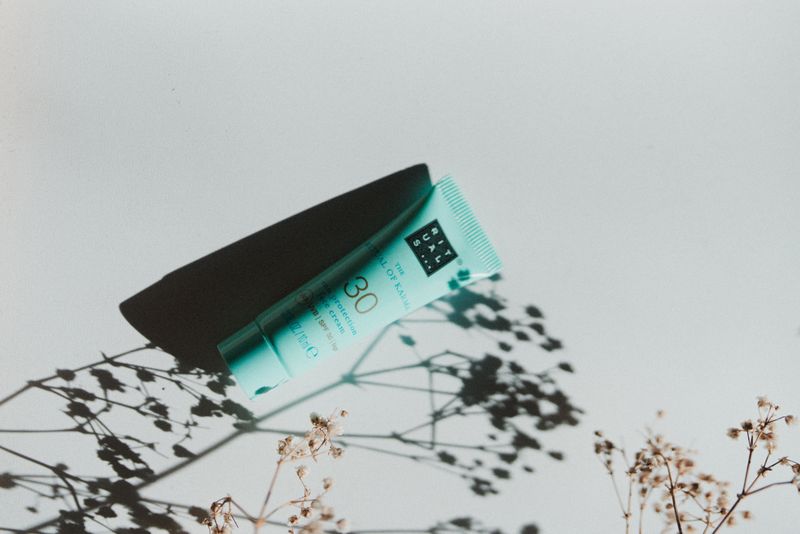
SPF 30 → SPF 50+ PA++++
Summer UV is 3-5x winter levels. Upgrade to SPF 50+ with PA++++ (broad UVA protection). Korean sunscreens excel here — lightweight, no white cast, with skin-benefiting ingredients built in.
Separate moisturizer + SPF → SPF moisturizer hybrid
Modern Korean sunscreens contain glycerin, hyaluronic acid, and ceramides. For oily summer skin, dermatologists recommend skipping a separate moisturizer and letting your SPF do both jobs — fewer layers, less clogging.
What Should You Keep Year-Round?
Not everything needs to change. Some ingredients work in every climate:
Keep these
Niacinamide — actually works better in summer (controls sebum + strengthens barrier). Centella/cica — calms heat-related inflammation. Hyaluronic acid — humidity helps it pull moisture from the air. Sunscreen — obviously. Upgrade, don’t skip.
When Should You Actually Make the Switch?
Don’t wait for July. The transition should happen when daily highs consistently hit 25°C (77°F) — that’s the threshold where sebum production noticeably increases. In Korea and most of the US, that’s mid-May to early June. Your skin will tell you: if your moisturizer feels heavy by midday, or you’re blotting more than usual, it’s time.
Pro tip: don’t swap everything at once. Transition over 1-2 weeks — start with your moisturizer, then cleanser, then actives. Your skin adapts better to gradual changes than sudden overhauls.
This article is for informational purposes only. Not intended as medical or professional advice.