Cooling Care Is K-Beauty's Climate Change Response. Here's Why Your Skin Needs to Cool Down.
❄️ TL;DR: TL;DR — Heat doesn't just cause discomfort; it upregulates collagen-destroying enzymes (MMPs) and weakens the skin barrier. K-beauty's cooling care trend uses TRPM8-activating ingredients and temperature-lowering textures to counteract heat-driven skin damage at a molecular level.
What Does Heat Actually Do to Your Skin?
You already know that UV radiation ages skin. But heat — even without sunlight — is an independent aging trigger. When skin temperature rises, your body activates matrix metalloproteinases (MMPs), a family of enzymes that break down collagen and elastin. Three MMPs are especially destructive: MMP-1 (collagenase), MMP-3 (stromelysin-1), and MMP-9 (gelatinase). Together, they fragment the collagen scaffolding that keeps skin firm.
Heat also impairs the skin barrier directly. Prolonged exposure increases transepidermal water loss (TEWL) — the rate at which moisture escapes through the epidermis. The result is a familiar cycle: dehydration triggers excess sebum production, which triggers breakouts, which triggers inflammation. And inflammation, in turn, upregulates more MMPs. It's a feedback loop that accelerates aging from two directions simultaneously.
MMP-1 ↑
Heat + UV combined upregulate collagenase, fragmenting the collagen that keeps skin firm
TEWL ↑
Prolonged heat exposure increases transepidermal water loss, dehydrating skin from the inside out
9 consecutive months
Global temperature records broken through early 2026 — your skin is facing heat loads previous generations never did
How Does Cooling Skincare Actually Work on a Molecular Level?
The cooling sensation you feel from menthol or eucalyptol isn't a temperature drop — it's a receptor trick. Your skin contains TRPM8, a calcium ion channel first identified in 2002. TRPM8 normally activates below ~26°C, signaling "cold" to the brain. Menthol and certain synthetic cooling agents hijack this receptor, creating the perception of cold without actually lowering skin temperature.
TRPM8 — Your Skin's Built-In Thermostat
TRPM8 doesn't just feel nice. Research published in the Journal of Neuroscience shows that TRPM8 activation inhibits both histaminergic and non-histaminergic itch pathways. That's why cooling relieves itch from eczema, rosacea, insect bites, and heat rashes — it's not masking the itch, it's blocking the signal.
But the real clinical value goes deeper. A 2025 meta-analysis in Scientific Reports found that cryotherapy — the medical application of cold — reduces systemic inflammatory markers in healthy adults. Cold constricts blood vessels, reducing blood flow and the delivery of pro-inflammatory mediators to the skin surface. For reactive, heat-flushed skin, this translates to visible redness reduction within minutes.
What Cooling Ingredients Should You Look For?
Not all cooling is created equal. Some ingredients activate TRPM8 receptors; others physically lower skin temperature; others calm inflammation through entirely separate pathways. The best cooling products combine at least two of these mechanisms.
Menthol & Menthyl Lactate
The classic TRPM8 agonist. Menthyl lactate is a gentler derivative that delivers cooling without the tingle — ideal for sensitive skin. Found in most K-beauty cooling pads and mists.
Centella Asiatica (Cica)
Doesn't cool through TRPM8 — instead, madecassoside and asiaticoside suppress inflammatory cytokines and accelerate wound healing. The anti-inflammatory complement to sensory cooling.
Aloe Vera Gel
Physically lowers skin surface temperature through evaporative cooling. The polysaccharides in aloe also form a hydrating film that reduces TEWL — cooling and sealing at once.
Panthenol (Pro-Vitamin B5)
An anti-neurogenic agent that interrupts substance P signaling — the neuropeptide responsible for the itch-scratch cycle. Calms heat-triggered irritation at the nerve level.
How Should You Build a Cooling Routine for Summer?
Summer is the time to reduce steps, not add them. The goal is a streamlined routine that lowers skin temperature, protects the barrier, and doesn't trap heat under occlusive layers. Think gel textures over cream textures, water-based over oil-based, and mists for mid-day resets.
The Cooling Routine Framework
Morning: Gentle cleanser → cooling toner pad (TRPM8 activation + centella) → lightweight gel moisturizer → SPF
Evening: Double cleanse → aloe or cica gel → one treatment serum → water-based sleeping mask
Mid-day: Cooling mist over makeup or sunscreen for an instant temperature reset
Which Korean Cooling Products Are Worth Trying?
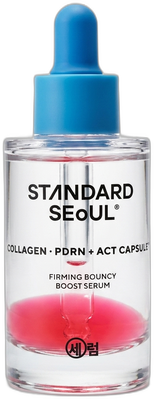
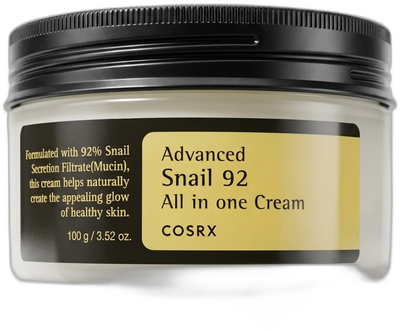
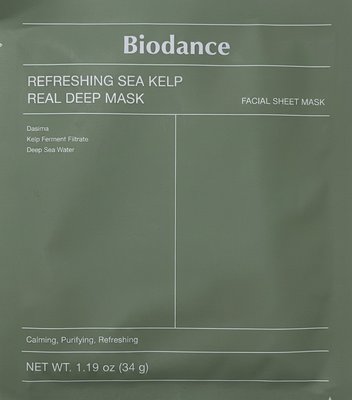
These products combine genuine cooling mechanisms — TRPM8 activation, evaporative cooling, or anti-inflammatory calming — with clinically relevant actives. No gimmicks.
This article is for informational purposes only. Not intended as medical or professional advice.