Molecular Insights
Your Oily Skin Might Be Dehydrated. Here's Why Stripping It Makes Everything Worse.
Oily and dehydrated aren't opposites — they're often the same skin screaming for water. The science of why harsh cleansers trigger more sebum, not less.
May 17, 2026 · 7 min read
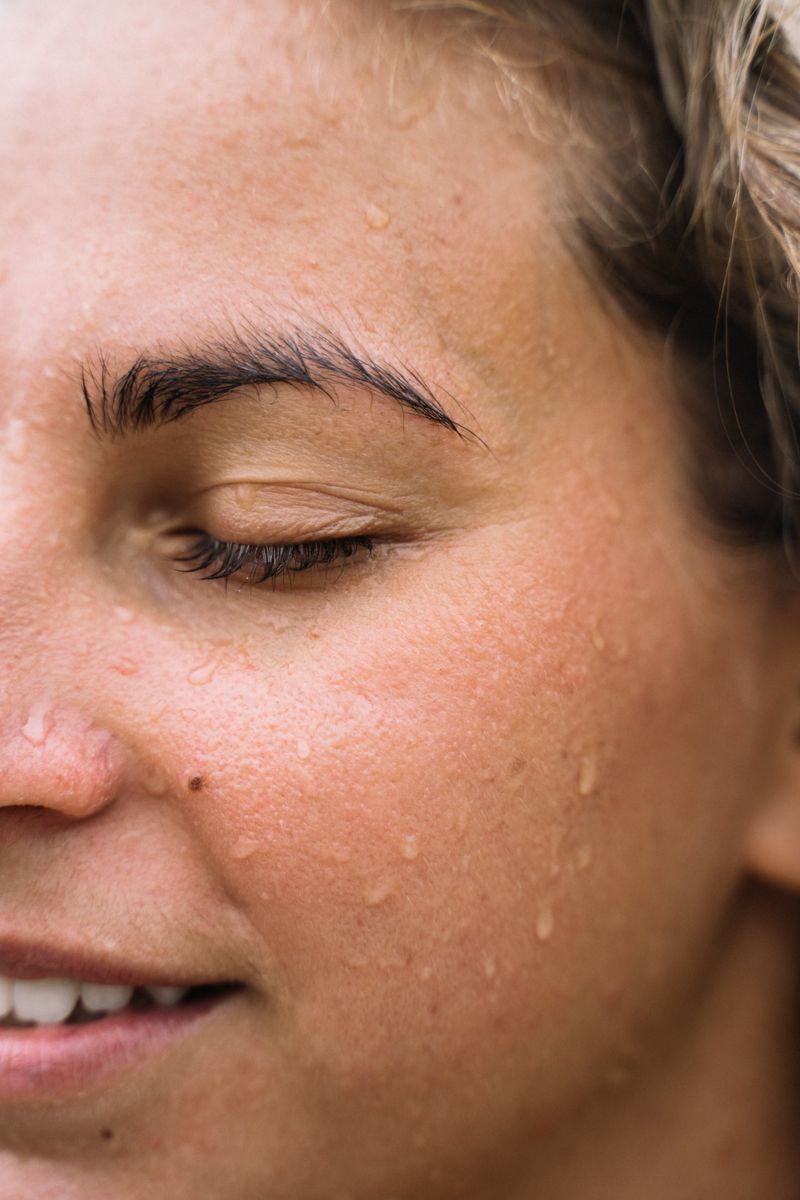
What's the difference between oily skin and dehydrated skin?
Oil (sebum) and water (hydration) are two completely different systems. Sebum is a lipid mixture — roughly 50% ceramides, 25% cholesterol, and 10–20% free fatty acids — secreted by sebaceous glands to create a physical seal against evaporation. Hydration is the water content locked inside your stratum corneum cells. You can have plenty of oil on the surface and still be critically low on water underneath.
- TEWL
- Transepidermal Water Loss — the rate water escapes through a damaged barrier. High TEWL = dehydrated skin, even if oily.
- Sebum ≠ Hydration
- Sebum is lipid; hydration is water. They serve different functions and one cannot replace the other.
Why does stripping oily skin make it produce more oil?
When you over-cleanse with sulphate-heavy foams or alcohol toners, you dissolve the lipid matrix that holds your stratum corneum together. The barrier cracks. TEWL spikes. Your skin reads this water loss as an emergency and compensates by ramping up sebum production — the only moisture-sealing tool it has. The result: oilier surface, drier interior, more breakouts from the combination of congestion and inflammation.
How can you tell if your oily skin is actually dehydrated?
There's no single at-home test as precise as a Tewameter, but the signs cluster together clearly:
- Tight after cleansing
- If your skin feels tight within 5 minutes of washing but gets shiny within 2 hours, your barrier is leaking water and overcompensating with oil.
- Flaking + shine coexist
- Dry patches alongside an oily T-zone are the hallmark of dehydration masquerading as combination skin.
- Makeup slides off mid-day
- Excess sebum produced to compensate for dehydration breaks down makeup faster than naturally oily skin would.
- Stinging with mild products
- A compromised barrier lets even gentle actives penetrate too deeply, causing irritation that healthy oily skin wouldn't feel.
What ingredients repair a dehydrated-oily barrier?
The goal is twofold: replenish water and rebuild the lipid matrix without adding heavy occlusives that congest pores.
What should an oily-dehydrated routine look like?
- Step 1 — Gentle cleanser
- Switch to a low-pH (5.0–6.0), sulphate-free cleanser. The goal is to remove sunscreen and dirt without dissolving your lipid barrier.
- Step 2 — Hydrating layer
- Apply a lightweight HA or heartleaf toner to damp skin. Damp application increases absorption by up to 30%.
- Step 3 — Barrier repair
- A gel-cream with niacinamide (2–5%) + ceramides. This is where you rebuild the lipid matrix. Skip anything with mineral oil or petrolatum if you're acne-prone.
- Step 4 — SPF (non-negotiable)
- UV damage degrades ceramides and worsens barrier function. Use a lightweight, non-comedogenic Korean sunscreen — many now use silica-based oil control.
Recommended Products
- ETUDE SoonJung pH 6.5 Whip Cleanser — Ultra-gentle, sulphate-free whip foam at skin-friendly pH. Won't strip the barrier.
- Torriden DIVE-IN Low Molecular Hyaluronic Acid Serum — 5 types of HA at different molecular weights. Lightweight, absorbs in seconds on oily skin.
- PURITO Oat-In Calming Gel Cream — Fragrance-free, ceramide + panthenol gel-cream. Calms sensitivity while repairing barrier.
- Round Lab Birch Juice Moisturizing Cream — Watery gel texture with birch sap. Zero residue, perfect for humid climates.
For informational purposes only. Not intended as medical or professional advice.
번들거리는데 속은 건조해요. 세안을 열심히 할수록 피부가 나빠지는 이유
지성과 건조는 반대말이 아니에요. 피부가 물을 달라고 비명을 지르면 피지로 대답하는 것뿐입니다.
지성 피부와 수분 부족 피부는 어떻게 다를까요?
피지(유분)와 수분은 완전히 다른 시스템이에요. 피지는 세라마이드 50%, 콜레스테롤 25%, 유리지방산 10~20%로 이루어진 지질 혼합물로 피부 표면에서 수분 증발을 막는 물리적 막 역할을 합니다. 수분은 각질층 세포 안에 갇힌 물이에요. 표면에 기름이 넘쳐도 속은 심각하게 건조할 수 있습니다.
- 경피수분손실
- 손상된 장벽을 통해 수분이 빠져나가는 속도. TEWL이 높으면 지성이어도 속건조입니다.
- 피지 ≠ 수분
- 피지는 지질, 수분은 물. 각자 역할이 다르며 하나가 다른 하나를 대체할 수 없어요.
왜 열심히 닦을수록 피지가 더 나올까요?
설페이트가 강한 폼이나 알코올 토너로 과하게 세안하면 각질층을 결합하는 지질 매트릭스가 녹아요. 장벽이 무너지면 경피수분손실(TEWL)이 급증합니다. 피부는 이 수분 손실을 위기 신호로 읽고 유일한 방어 수단인 피지 분비를 높여 대응해요. 결과: 겉은 더 번들거리고, 속은 더 건조하고, 피지와 염증이 겹쳐 트러블이 나요.
내 지성 피부가 속건조인지 어떻게 알 수 있을까요?
테와미터처럼 정확한 가정용 측정법은 없지만, 아래 징후들이 함께 나타나면 높은 확률로 속건조입니다:
- 세안 후 당김
- 세안 5분 내로 당기는데 2시간 뒤 번들거린다면 장벽이 수분을 흘리고 피지로 메우는 중이에요.
- 각질 + 번들거림 공존
- T존은 번들거리는데 볼이나 턱에 각질이 뜨면 수분 부족이 복합성으로 위장한 겁니다.
- 낮에 화장이 밀림
- 속건조 보상용 과잉 피지는 원래 지성보다 화장을 더 빨리 무너뜨려요.
- 순한 제품도 따가움
- 장벽이 무너지면 순한 성분도 과하게 침투해서 건강한 지성 피부라면 안 느꼈을 자극이 생겨요.
속건조 지성 피부 장벽을 회복시키는 성분은 뭘까요?
목표는 두 가지예요: 수분을 채우면서도 모공을 막지 않는 선에서 지질 매트릭스를 재건하는 것.
속건조 지성 피부 루틴은 어떻게 ���야 할까요?
- 1단계 — 순한 클렌저
- 저자극 약산성(pH 5.0~6.0) 설페이트 프리 클렌저로 바꾸세요. 지질 장벽을 녹이지 않으면서 선크림과 먼지만 제거하는 게 목표예요.
- 2단계 — 수분 공급
- 세안 직후 젖은 피부에 히알루론산 또는 어성초 토너를 바르세요. 젖은 상태에서 흡수율이 최대 30% 높아져요.
- 3���계 — 장벽 회복
- 나이아신아마이드 2~5% + 세라마이드가 든 젤크림. 지질 매트릭스를 재건하는 단계예요. 여드름 피부라면 미네랄오일, 바셀린 성분은 피하세요.
- 4단계 — 자외선 차단 (필수)
- 자외선은 세라마이드를 분해하고 장벽 기능을 악화시켜요. 가볍고 논코메도제닉인 한국 선크림을 쓰세요. 최근엔 실리카 기반 유분 컨트롤 제품이 많아요.
추천 제품
- ETUDE SoonJung pH 6.5 Whip Cleanser — 설페이트 프리 약산성 휩폼. 장벽을 녹이지 않는 세안제.
- Torriden DIVE-IN Low Molecular Hyaluronic Acid Serum — 5종 히알루론산으로 모든 층에 수분 공급. 지성 피부에도 빠르게 흡��.
- PURITO Oat-In Calming Gel Cream — 무향, 세라마이드 + 판테놀 젤크림. 예민함을 잠재우면서 장벽 회복.
- Round Lab Birch Juice Moisturizing Cream — 자작나무 수액 워터리 젤 제형. 잔여감 없이 습한 날씨에 딱.
본 콘텐츠는 정보를 제공하기 위한 것이며, 전문적인 의료 조언을 대신하지 않습니다.