Follicle Science
Hair Oiling Went Viral on TikTok. The Science Says You're Probably Doing It at the Wrong Time.
2 billion TikTok views. Ancient Ayurvedic tradition. One critical question nobody answers: should you oil before or after washing? The answer depends on your oil's molecular weight.
May 31, 2026 · 7 min read
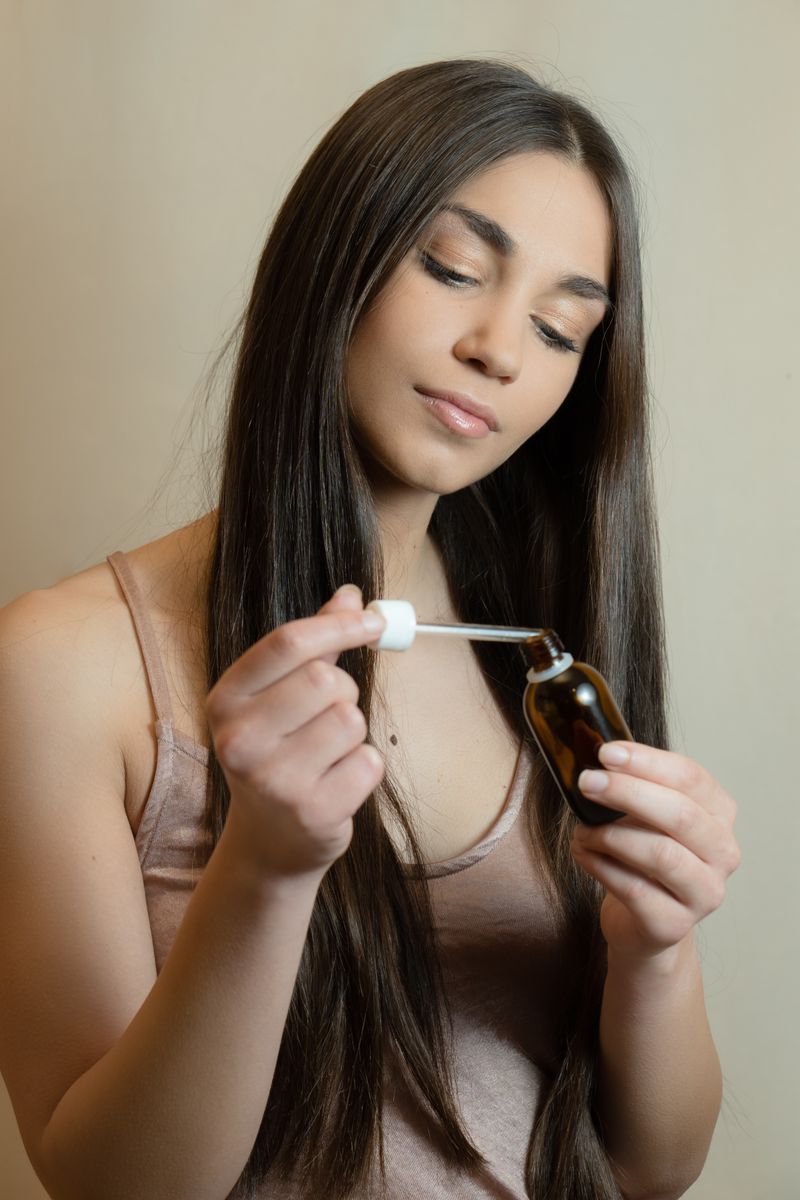
What Is Hygral Fatigue — and Why Does It Matter More Than You Think?
Every time you wash your hair, water enters the cortex — the inner structure of each strand — and causes it to swell. When it dries, it shrinks back. This expansion-contraction cycle is called hygral fatigue, and it's one of the most underappreciated causes of hair damage. Think of it like bending a paperclip back and forth. Each cycle weakens the structure a little more. Over hundreds of washes, the cuticle cracks, lifts, and eventually breaks off — leading to frizz, split ends, porosity issues, and dull-looking hair. This is where pre-wash oiling becomes genuinely useful — not as a luxury ritual, but as structural protection. The right oil, applied before shampooing, reduces the amount of water that enters the hair shaft. Less water absorption means less swelling, less fatigue, less cumulative damage. A landmark study published in the Journal of Cosmetic Science found that coconut oil reduced protein loss by up to 39% when used as a pre-wash treatment. The key was that coconut oil actually penetrated the hair shaft — it wasn't just sitting on the surface.
Penetrating Oils vs Sealing Oils — What's the Difference?
This is the part TikTok almost never explains — and it's the entire reason timing matters. Not all oils behave the same way on hair. Some penetrate the cortex; others sit on the cuticle surface. The difference comes down to molecular weight and fatty acid composition. Penetrating oils have small, straight-chain fatty acids that slip between cuticle scales and enter the cortex. Coconut oil is the champion here — its high lauric acid content (a 12-carbon chain) gives it an unusual affinity for hair proteins. Olive oil and avocado oil also penetrate, though less efficiently. Sealing oils have larger, branched molecules that can't fit through cuticle gaps. Argan oil, jojoba oil, castor oil, and camellia oil coat the hair surface, creating a hydrophobic barrier that locks in moisture and reflects light — which is why they're responsible for that glossy finish. The mistake most people make: using a sealing oil (argan, castor) as a pre-wash treatment. It sits on the surface, gets washed off, and does nothing structural. Or using a penetrating oil (coconut) as a finishing oil — it absorbs into the shaft instead of creating surface shine.
- Coconut Oil
- Penetrating. High in lauric acid. Reduces protein loss up to 39%. Best used pre-wash, 30+ minutes before shampooing. The most-studied oil for hair.
- Argan Oil
- Sealing. Rich in oleic acid and vitamin E. Coats the cuticle without weighing hair down. Best as a post-wash finishing oil on damp ends.
- Camellia (Tsubaki) Oil
- Sealing. Korea and Japan's traditional finishing oil. Lightweight, high-shine, non-greasy. The K-beauty standard for glass hair.
- Castor Oil
- Sealing. Very thick and viscous. Often used for scalp massage and edges. Too heavy for most as a pre-wash — hard to shampoo out completely.
How Should You Actually Oil Your Hair for Best Results?
Pre-wash protocol (penetrating oils): Apply coconut oil (or olive oil) to dry hair, focusing on mid-lengths and ends — not the scalp, unless you're treating dryness there. Coconut oil begins penetrating within 30 minutes, but research suggests that leaving it on for 1–2 hours, or overnight, maximizes protein protection. Shampoo twice to remove — the first wash breaks down the oil, the second cleans the hair. Post-wash protocol (sealing oils): After conditioning, towel-dry gently (don't rub — squeeze). Apply 1–3 drops of argan or camellia oil to damp ends and mid-lengths. These oils need a water layer underneath them to seal — applying to bone-dry hair just creates a greasy film. The TikTok mistake: Many viral hair oiling videos show people drenching their scalp and roots in heavy oils (castor, coconut) and leaving it overnight. For fine or oily hair types, this can clog follicles, cause buildup, and trigger scalp issues. Heavy scalp oiling is best suited for thick, coarse, or very dry hair — not everyone.
For informational purposes only. Not intended as medical or professional advice.
Hair Oils Worth Trying
- Innisfree Camellia Essential Hair Oil Serum — Pure Jeju camellia oil in a lightweight serum — K-beauty's classic post-wash finishing oil
- Mise en Scène Perfect Original Serum — 7-oil blend (argan, camellia, coconut, jojoba, marula, apricot, olive) — Korea's #1 hair serum
- Moremo Hair Oil: Light — Ultra-light finishing oil for fine hair — no heaviness, just shine and frizz control
- Nature Republic Argan Essential Deep Care Hair Pack — Argan-based intensive mask for pre-wash treatment — good for damaged, porous hair
헤어 오일링이 틱톡에서 대유행이에요. 근데 타이밍을 잘못 잡고 있을 가능성이 높아요
틱톡 조회수 20억 건. 수천 년 된 아유르베다 전통. 그런데 아무도 안 알려주는 핵심 질문이 하나 있어요: 오일은 감기 전에 바를까, 후에 바를까? 정답은 오일의 분자량에 달려있어요.
수분피로(Hygral Fatigue)란 무엇이고, 왜 생각보다 중요할까요?
머리를 감을 때마다 물이 모발 내부(피질, cortex)로 들어가서 팽창시켜요. 마르면 다시 수축하고요. 이 팽창-수축 반복이 바로 수분피로(hygral fatigue)인데, 모발 손상의 가장 과소평가된 원인 중 하나예요. 클립을 앞뒤로 계속 구부리는 걸 생각하면 돼요. 한 번 할 때마다 구조가 조금씩 약해지잖아요. 수백 번 감으면 큐티클에 금이 가고, 들뜨고, 결국 떨어져 나가요 — 곱슬거림, 갈라짐, 다공성 문제, 윤기 없는 머리카락으로 이어지죠. 프리워시 오일링이 진짜 의미가 있는 지점이 바로 여기예요. 사치스러운 의식이 아니라 구조적 보호 수단이에요. 적절한 오일을 샴푸 전에 바르면 모발 안으로 들어가는 물의 양이 줄어요. 물을 덜 흡수하면 팽창이 적고, 피로가 적고, 누적 손상이 줄어요. Journal of Cosmetic Science에 실린 연구에서 코코넛 오일을 프리워시 트리트먼트로 사용했을 때 단백질 손실이 최대 39%까지 감소했어요. 핵심은 코코넛 오일이 모발 내부까지 실제로 침투했다는 거예요 — 표면에 앉아있기만 한 게 아니었어요.
침투형 오일 vs 밀봉형 오일 — 어떻게 다를까요?
틱톡에서 거의 안 알려주는 부분인데, 타이밍이 중요한 이유가 전부 여기에 있어요. 오일이 전부 같은 방식으로 작동하는 게 아니에요. 어떤 건 모발 피질까지 침투하고, 어떤 건 큐티클 표면에 머물러요. 차이는 분자량과 지방산 구성에서 나와요. 침투형 오일은 작고 직선형인 지방산이 큐티클 비늘 사이로 미끄러져 들어가 피질에 도달해요. 코코넛 오일이 여기서 챔피언이에요 — 라우르산(탄소 12개짜리 사슬) 함량이 높아서 모발 단백질과 특별한 친화력이 있거든요. 올리브 오일과 아보카도 오일도 침투하지만 효율은 좀 떨어져요. 밀봉형 오일은 분자가 크고 가지가 달려서 큐티클 틈으로 못 들어가요. 아르간 오일, 호호바 오일, 캐스터 오일, 동백유가 모발 표면을 코팅해서 수분을 가두고 빛을 반사하는 소수성 장벽을 만들어요 — 윤기 나는 마무리의 비밀이 이거예요. 대부분이 하는 실수: 밀봉형 오일(아르간, 캐스터)을 프리워시로 쓰는 거예요. 표면에 앉아있다가 씻겨나가고, 구조적으로 아무 도움이 안 돼요. 반대로 침투형 오일(코코넛)을 피니싱 오일로 쓰면 표면 윤기 대신 모발 안으로 흡수돼버려요.
- 코코넛 오일
- 침투형. 라우르산 풍부. 단백질 손실 최대 39% 감소. 샴푸 30분 이상 전에 바르는 프리워시용으로 최적. 가장 많이 연구된 헤어 오일.
- 아르간 오일
- 밀봉형. 올레산과 비타민 E 풍부. 큐티클을 코팅하되 무겁지 않아요. 감은 후 축축한 끝 머리에 피니싱 오일로 최적.
- 동백유 (츠바키)
- 밀봉형. 한국과 일본의 전통 피니싱 오일. 가볍고 윤기 나고 끈적이지 않아요. 글래스 헤어를 위한 K-뷰티 표준.
- 캐스터 오일
- 밀봉형. 매우 걸쭉해요. 두피 마사지와 잔머리에 자주 사용. 대부분에게 프리워시로는 너무 무거워요 — 샴푸로 완전히 제거하기 어려워요.
헤어 오일링, 실제로 어떻게 해야 효과가 좋을까요?
프리워시 방법 (침투형 오일): 마른 머리에 코코넛 오일(또는 올리브 오일)을 바르되, 중간 길이부터 끝 부분에 집중하세요 — 두피 건조가 아니라면 두피에는 안 발라도 돼요. 코코넛 오일은 30분이면 침투를 시작하지만, 연구에 따르면 1~2시간, 또는 하룻밤 두면 단백질 보호가 극대화돼요. 제거할 때는 샴푸를 두 번 — 첫 번째로 오일을 분해하고 두 번째로 깨끗하게 세정해요. 감은 후 방법 (밀봉형 오일): 컨디셔닝 후 타올로 부드럽게 물기를 빼세요(문지르지 말고 꾹꾹 눌러서). 아르간 또는 동백유 1~3방울을 축축한 끝머리와 중간에 발라요. 밀봉형 오일은 밑에 수분층이 있어야 제대로 작동해요 — 완전히 마른 머리에 바르면 기름진 막만 생겨요. 틱톡에서 흔한 실수: 바이럴 영상 중 상당수가 두피와 뿌리에 진한 오일(캐스터, 코코넛)을 흠뻑 바르고 하룻밤 두는 모습을 보여줘요. 가는 모발이나 지성 두피에는 이게 모낭을 막고 각질 쌓임을 유발할 수 있어요. 두피에 진한 오일링은 굵고 거칠거나 매우 건조한 모발에 맞는 방법이지, 모든 사람에게 맞는 건 아니에요.
본 콘텐츠는 정보를 제공하기 위한 것이며, 전문적인 의료 조언을 대신하지 않습니다.
써볼 만한 헤어 오일
- Innisfree Camellia Essential Hair Oil Serum — 제주 동백유 기반 가벼운 세럼 — K-뷰티의 클래식 피니싱 오일
- Mise en Scène Perfect Original Serum — 7종 오일 블렌드 — 한국 헤어 세럼 판매 1위
- Moremo Hair Oil: Light — 가는 머리를 위한 초경량 피니싱 오일 — 무거움 없이 윤기와 정돈
- Nature Republic Argan Essential Deep Care Hair Pack — 아르간 기반 집중 헤어팩 — 손상되고 다공성이 높은 모발의 프리워시용