Follicle Science
Your Scalp Has Its Own Microbiome — and It Controls Whether Your Hair Falls Out
Your scalp is home to over 1 million microorganisms per square centimeter. When that ecosystem falls out of balance, hair loss follows. New research is revealing exactly which microbes matter — and what K-beauty brands are doing about it.
May 2026 · 7 min read
What is the scalp microbiome, and why does it matter for hair loss?
Every square centimeter of your scalp is a living ecosystem. Over a million microorganisms — bacteria, fungi, and viruses — compete for territory on the surface of your skin. When they're in balance, they form a protective biofilm that keeps your scalp calm, your follicles nourished, and your hair anchored. When the balance tips, the consequences show up in your brush. The dominant players are Malassezia (a genus of fungi that makes up over 90% of all scalp fungi) and Cutibacterium acnes (which accounts for roughly 25% of all scalp bacteria). In a healthy scalp, these two groups exist in a careful equilibrium. But research is now connecting specific shifts in this balance — a reduction in Cutibacterium, an overgrowth of Malassezia restricta — directly to androgenetic alopecia and inflammatory hair loss.
- 90%+
- of all scalp fungi are Malassezia species — they're not invaders, they're residents
- 73%
- of alopecia patients showed decreased beneficial bacteria like C. acnes in a clinical trial
- .5B+
- projected market size for microbiome-based hair care by 2031
What happens when your scalp microbiome is out of balance?
Scalp dysbiosis — the technical term for microbial imbalance — doesn't just cause dandruff. It triggers a cascade: Malassezia overgrowth produces oleic acid, which irritates the scalp, weakens the follicular environment, and shortens the hair growth cycle. Meanwhile, the loss of protective Cutibacterium species allows opportunistic Staphylococcus strains to proliferate, amplifying inflammation. The triggers are frustratingly common: sulfate-heavy shampoos that strip the scalp's lipid layer, over-washing that disrupts pH, heat styling that dehydrates the scalp surface, stress-induced cortisol spikes that alter sebum composition, and product buildup that suffocates the microbial ecosystem.
How are Korean brands formulating for scalp microbiome health?
Korean hair care has pivoted hard toward scalp-first formulation — the same philosophy shift that moved K-beauty skincare from 10 steps to barrier repair. The scalp is now treated as an extension of the face, with its own cleansing, treatment, and protection steps. Three approaches are leading the market:
- Probiotic-infused cleansing
- Brands like Labo-H (by Amorepacific) use green tea probiotics fermented from Jeju tea leaves. These postbiotic metabolites support the scalp's resident bacteria rather than stripping them away with harsh surfactants.
- Hanbang scalp tonics
- Ryo's RootGen line combines ginseng and caffeine in a targeted scalp essence that strengthens from the follicle up. The hanbang tradition of treating the root — literally — aligns perfectly with microbiome science.
- Barrier-first scalp serums
- Dr.ForHair's Folligen shampoo uses ceramide and biotin alongside saw palmetto — a dual strategy that supports the scalp's lipid barrier while addressing hormonal triggers of hair thinning.
What should you look for in a scalp-friendly routine?
The best scalp care routine isn't about adding more products — it's about choosing products that respect the microbial ecosystem already living on your head. Switch to low-pH, sulfate-free cleansers. Your scalp microbiome thrives at pH 5.0-5.5. Sulfate-based shampoos can push pH above 6.0, creating conditions where Malassezia flourishes and beneficial bacteria decline. Don't over-wash. Every wash disrupts the microbial balance. For most scalp types, 2-3 times per week is sufficient. If your scalp feels oily between washes, use a scalp tonic rather than increasing wash frequency. Look for postbiotic and prebiotic ingredients. Postbiotics (metabolites from fermentation, like lactobacillus ferment filtrate) feed the existing beneficial microbes. Prebiotics (like xylitol and fructooligosaccharides) selectively nourish good bacteria without feeding pathogens. Treat the scalp, not just the hair. Apply serums and essences directly to the scalp with a dropper or nozzle tip. The hair shaft is dead keratin — the living part is underneath.
For informational purposes only. Not intended as medical or professional advice.
Products worth trying
- Labo-H Scalp Strengthening Shampoo — Green tea probiotics from Jeju — supports scalp barrier and microbiome balance
- Ryo Root:Gen Scalp Essence — Ginseng + caffeine targeted scalp tonic — strengthens from the follicle up
- Dr.ForHair Folligen Original Shampoo — Ceramide + biotin + saw palmetto — dual barrier and follicle support
두피에도 마이크로바이옴이 있어요 — 탈모를 좌우하는 건 샴푸가 아니라 균형이에요
두피 1cm²에는 100만 개 이상의 미생물이 살고 있어요. 이 생태계가 무너지면 탈모가 시작돼요. 최근 연구가 어떤 미생물이 핵심인지 밝혀내고 있고, 한국 브랜드들은 이미 움직이고 있어요.
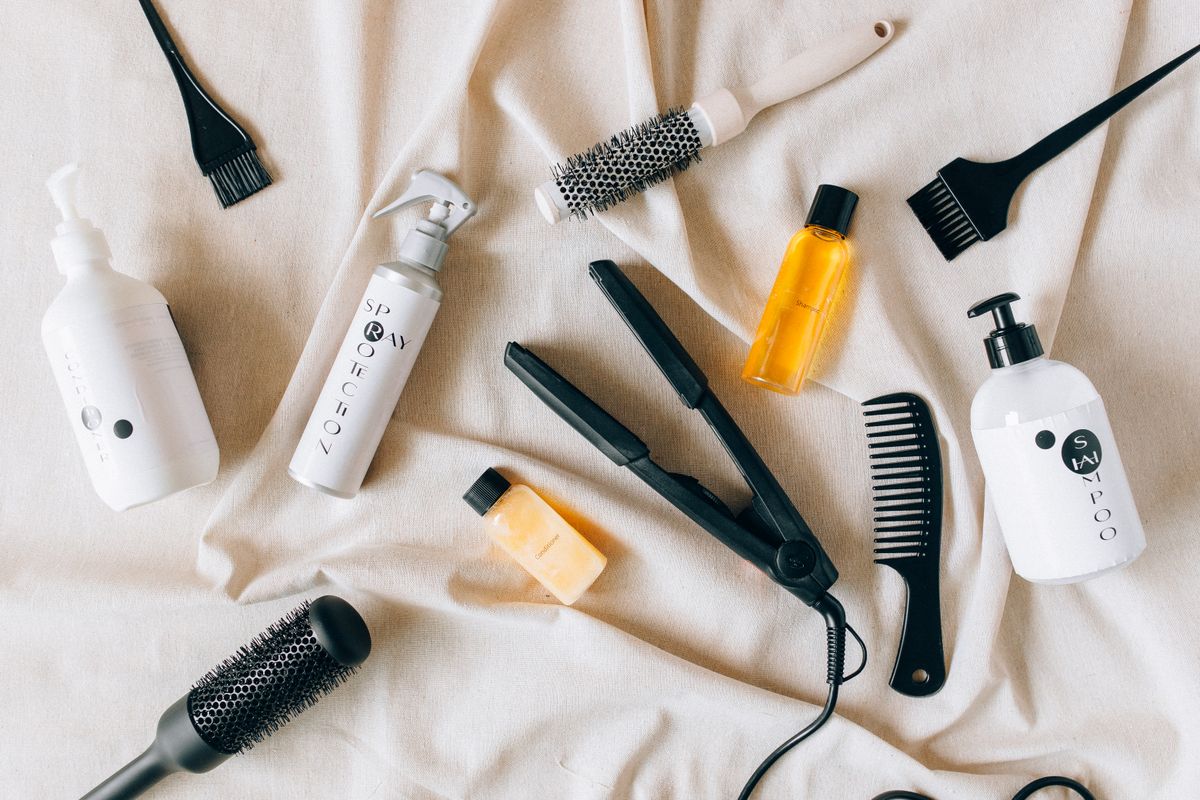
Flat lay of hair care products including shampoo bottles, brushes, and treatment oils on fabric · Pexels 두피 마이크로바이옴이 뭐고, 왜 탈모에 중요한 걸까요?
두피 1cm²마다 100만 개 이상의 미생물이 살아가는 하나의 생태계예요. 세균, 곰팡이, 바이러스가 피부 표면에서 영역 다툼을 벌이고 있죠. 균형이 맞으면 보호 생체막이 형성되어 두피가 편안하고, 모낭에 영양이 공급되며, 머리카락이 단단히 고정돼요. 균형이 무너지면 빠지는 머리카락으로 결과가 나타나요. 핵심 미생물은 말라세지아(두피 곰팡이의 90% 이상)와 큐티박테리움 아크네스(두피 세균의 약 25%)예요. 건강한 두피에서는 이 두 그룹이 절묘한 균형을 이루죠. 하지만 최근 연구에 따르면 큐티박테리움 감소와 말라세지아 레스트릭타 과잉 증식이 안드로겐성 탈모 및 염증성 탈모와 직접 연결된다고 해요.
- 90% 이상
- 두피 곰팡이의 대부분이 말라세지아예요 — 침입자가 아니라 원래 주민이에요
- 73%
- 탈모 환자의 73%에서 유익균 큐티박테리움이 감소했다는 임상 결과가 있어요
- 1조 9천억 원+
- 2031년까지 마이크로바이옴 헤어케어 시장 전망치예요
두피 마이크로바이옴이 무너지면 어떤 일이 일어나요?
두피 이상세균증(디스바이오시스)은 단순한 비듬 문제가 아니에요. 연쇄 반응이 시작되거든요. 말라세지아가 과잉 증식하면서 올레산을 생성하고, 이게 두피를 자극해서 모낭 환경을 약화시키고 모발 성장 주기를 단축시켜요. 동시에 보호 역할을 하던 큐티박테리움이 줄면서 기회감염성 포도상구균이 늘어나 염증이 더 심해져요. 원인은 너무 흔해요. 황산염 계면활성제가 강한 샴푸, 과도한 세정으로 인한 pH 교란, 열 스타일링으로 인한 두피 건조, 스트레스성 코르티솔 급증으로 인한 피지 조성 변화, 그리고 제품 잔여물이 미생물 생태계를 질식시키는 것까지.
한국 브랜드들은 두피 마이크로바이옴을 어떻게 관리하고 있을까요?
한국 헤어케어가 두피 우선 제형으로 확실히 전환했어요 — 스킨케어가 10단계에서 장벽 관리로 바뀐 것과 같은 철학이에요. 이제 두피를 얼굴 피부의 연장선으로 관리하는 시대예요. 세 가지 접근법이 시장을 이끌고 있어요:
- 프로바이오틱 클렌징
- 아모레퍼시픽의 라보에이치는 제주 녹차잎에서 발효한 녹차 프로바이오틱을 사용해요. 이 포스트바이오틱 대사산물이 강한 계면활성제로 씻어내는 대신 두피 상재균을 지지해줘요.
- 한방 두피 토닉
- 려의 루트젠 라인은 인삼과 카페인을 결합한 두피 에센스로 모낭부터 강화해요. 뿌리를 관리하는 한방 전통이 마이크로바이옴 과학과 완벽하게 맞아떨어져요.
- 장벽 우선 두피 세럼
- 닥터포헤어의 폴리젠 샴푸는 세라마이드, 비오틴과 함께 쏘팔메토를 사용해요 — 두피 지질 장벽을 지키면서 호르몬성 모발 약화까지 관리하는 이중 전략이에요.
두피 친화적인 루틴, 어떤 걸 찾아야 할까요?
좋은 두피 관리 루틴은 제품을 더 쓰는 게 아니라, 이미 두피에 살고 있는 미생물 생태계를 존중하는 제품을 고르는 것이에요. 저자극, 약산성(pH 5.0-5.5) 클렌저로 바꾸세요. 황산염 계면활성제는 pH를 6.0 이상으로 올려서 말라세지아가 득세하고 유익균이 줄어드는 환경을 만들어요. 너무 자주 감지 마세요. 세정할 때마다 미생물 균형이 깨져요. 대부분의 두피 타입은 주 2-3회면 충분해요. 중간에 기름진 느낌이 들면 세정 횟수를 늘리지 말고 두피 토닉을 사용하세요. 포스트바이오틱, 프리바이오틱 성분을 찾으세요. 포스트바이오틱(락토바실러스 발효 여과물 등)은 기존 유익균에 영양을 줘요. 프리바이오틱(자일리톨, 프락토올리고당)은 유해균은 건드리지 않고 유익균만 선택적으로 키워요. 머리카락이 아니라 두피를 관리하세요. 세럼과 에센스를 드롭퍼나 노즐로 두피에 직접 도포하세요. 모발은 죽은 케라틴이에요 — 살아있는 부분은 그 아래에 있어요.
본 콘텐츠는 정보를 제공하기 위한 것이며, 전문적인 의료 조언을 대신하지 않습니다.
추천 제품
- Labo-H Scalp Strengthening Shampoo — 제주 녹차 프로바이오틱 — 두피 장벽과 마이크로바이옴 균형을 지지해요
- Ryo Root:Gen Scalp Essence — 인삼 + 카페인 두피 토닉 — 모낭부터 강화해요
- Dr.ForHair Folligen Original Shampoo — 세라마이드 + 비오틴 + 쏘팔메토 — 장벽과 모낭 이중 관리