Follicle Science
Your Scalp Is Just Skin. Why K-Beauty Is Treating It Like a Second Face.
Your scalp has the same epidermis, dermis, sebaceous glands, and microbiome as your face. Korean brands are applying the same ingredient logic — and it's working.
May 26, 2026 · 7 min read
Why Does Your Scalp Need the Same Care as Your Face?
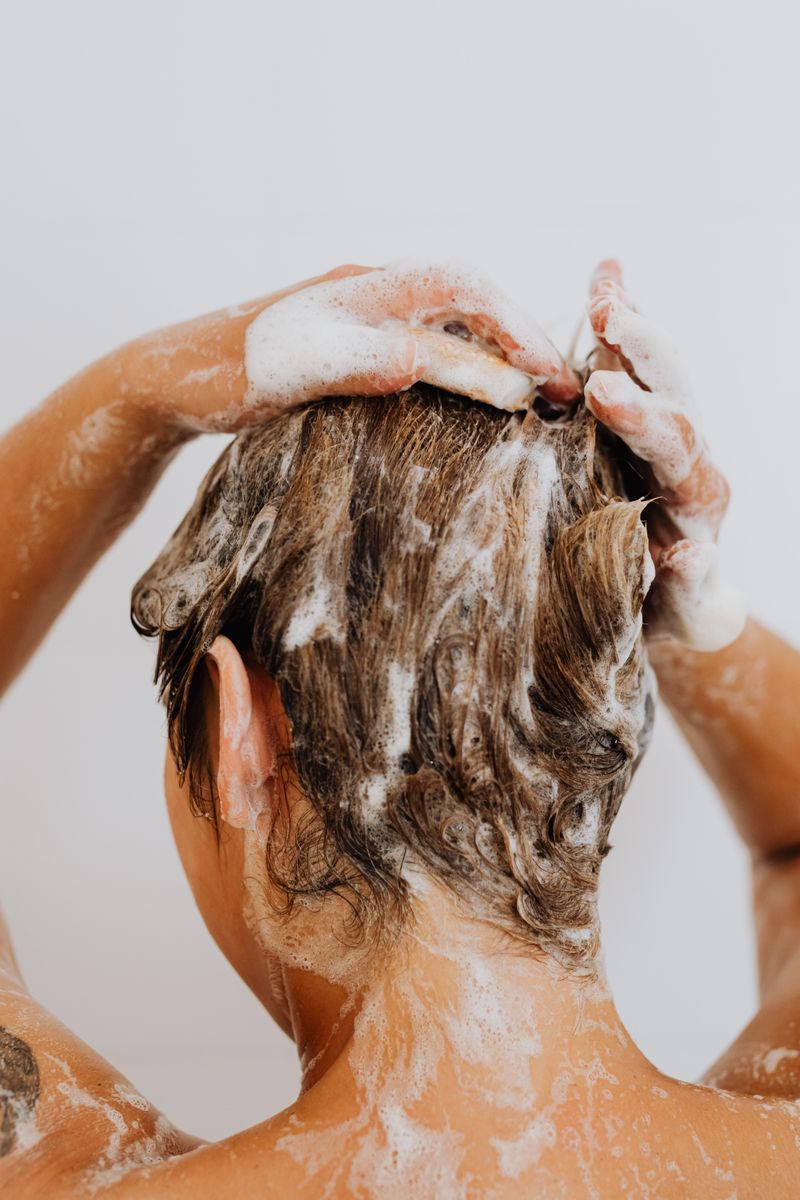
Your scalp has the exact same structure as the skin on your face — epidermis, dermis, sebaceous glands, a lipid barrier, and a microbiome. The only difference? It has more sebaceous glands per square centimeter than anywhere else on your body, and each one is attached to a hair follicle. That means the scalp produces more oil, accumulates more dead cells, and hosts a denser microbial ecosystem than your forehead or cheeks.
Yet most people treat their scalp with nothing but shampoo — the equivalent of only using a cleanser on your face and skipping everything else. Korean brands recognized this gap and started applying the same ingredient logic they use for facial skincare: exfoliate gently, hydrate the barrier, balance the microbiome, and deliver actives where they're needed.
- $20.79B
- Projected global scalp care market by 2030, growing 7.1% annually
- Same layers
- Scalp has the same epidermis, dermis, and microbiome as facial skin
- #1 in Korea
- VT Cosmetics Reedle Shot Hair Ampoule — top-selling hair serum in Korea
Which Skincare Ingredients Actually Work on the Scalp?
Not every facial active translates to the scalp — but many of the best ones do. K-beauty scalp serums are borrowing directly from the skincare ingredient playbook:
- Salicylic Acid (BHA)
- Oil-soluble, so it penetrates into sebum-clogged follicles. Loosens dead cell buildup and product residue without stripping. The scalp equivalent of a pore-clearing toner.
- Niacinamide
- Regulates sebum production on the scalp just like it does on the face. Also supports the scalp's moisture barrier — especially helpful if you over-shampoo and your scalp feels tight and flaky.
- Caffeine
- One of the most studied scalp actives — associated with improved microcirculation around hair follicles. K-beauty scalp serums use it as a stimulating base that helps other actives reach the follicle.
- PDRN
- The same salmon-derived ingredient now in scalp serums. Associated with scalp comfort and a healthier-looking scalp environment. Medicube and VT Cosmetics both use it in their hair lines.
How Do You Build a Scalp Skincare Routine?
Think of it as a simplified version of your face routine — cleanse, exfoliate, treat:
- Step 1: Gentle cleanse
- Switch to a low-pH, sulfate-free shampoo. You're washing the scalp, not the hair — let the suds run down the lengths. Shampoo 2-3 times per week, not daily.
- Step 2: Weekly exfoliation
- A scalp scrub or BHA toner once a week clears dead cells and sebum buildup from follicles. Apply before shampooing, massage gently for 2-3 minutes, then rinse.
- Step 3: Scalp serum
- Apply a leave-on scalp serum to towel-dried scalp after washing. Part your hair in sections and apply directly to the scalp — not the hair. Massage in with fingertips. No rinsing.
Which K-Beauty Scalp Products Are Leading the Trend?
- VT Cosmetics Reedle Shot Hair Ampoule — Korea's #1 selling hair serum. Uses PDRN-coated spicules for deeper scalp penetration, plus caffeine for microcirculation and peptides for follicle support.
- Medicube PDRN Scalp Serum — From the AGE-R device brand — rosemary, PDRN, EGF, and caffeine in a roll-on serum format for targeted scalp application.
- Aromatica Rosemary Scalp Scaling Shampoo — A gentle yet effective scalp-cleansing shampoo with rosemary extract and tea tree oil. Low-pH formula that cleans without stripping — the foundation of a scalp skincare routine.
For informational purposes only. Not intended as medical or professional advice.
두피도 피부예요. K-뷰티가 두피를 '제2의 얼굴'처럼 관리하는 이유
두피에도 얼굴과 같은 표피, 진피, 피지선, 마이크로바이옴이 있어요. 한국 브랜드들이 같은 성분 논리를 적용하고 있고, 효과가 나타나고 있어요.
두피에 얼굴과 같은 케어가 필요한 이유는?
두피는 얼굴 피부와 정확히 같은 구조를 가지고 있어요 — 표피, 진피, 피지선, 지질 장벽, 마이크로바이옴까지. 유일한 차이점? 신체 어디보다 단위 면적당 피지선이 더 많고, 각각 모낭에 연결되어 있어요. 즉 두피는 이마나 볼보다 더 많은 유분을 생산하고, 더 많은 죽은 세포가 쌓이고, 더 밀집한 미생물 생태계를 가지고 있어요.
그런데도 대부분 두피를 샴푸 하나로만 관리해요 — 얼굴에 클렌저만 쓰고 나머지를 다 빼는 것과 같은 거죠. 한국 브랜드들은 이 빈 공간을 알아채고 얼굴 스킨케어와 같은 성분 논리를 적용하기 시작했어요: 부드럽게 각질 제거, 장벽 보습, 마이크로바이옴 밸런스, 필요한 곳에 활성 성분 전달.
- $20.79B
- 2030년 글로벌 두피 케어 시장 전망, 연 7.1% 성장
- 같은 구조
- 두피는 얼굴 피부와 같은 표피, 진피, 마이크로바이옴을 가져요
- 한국 1위
- VT 코스메틱 리들샷 헤어 앰플 — 한국 헤어 세럼 판매 1위
어떤 스킨케어 성분이 두피에서 실제로 효과가 있나요?
모든 얼굴용 활성 성분이 두피에 그대로 적용되는 건 아니지만, 가장 좋은 성분 중 많은 것이 가능해요. K-뷰티 두피 세럼은 스킨케어 성분 교과서에서 직접 빌려오고 있어요:
- 살리실릭산 (BHA)
- 유용성이라 피지로 막힌 모낭 속까지 침투해요. 죽은 세포와 제품 잔여물을 벗기지 않고 느슨하게 해요. 두피판 모공 정돈 토너인 셈이에요.
- 나이아신아마이드
- 얼굴에서처럼 두피의 피지 생산을 조절해요. 두피 수분 장벽도 지지해서, 샴푸를 너무 자주 해서 두피가 당기고 각질이 일어날 때 특히 도움이 돼요.
- 카페인
- 가장 많이 연구된 두피 활성 성분 중 하나로, 모낭 주변 미세순환 개선과 관련이 있어요. K-뷰티 두피 세럼에서는 다른 활성 성분이 모낭에 도달하도록 돕는 자극 베이스로 사용해요.
- PDRN
- 이제 두피 세럼에도 들어간 같은 연어 유래 성분이에요. 두피 편안함과 건강해 보이는 두피 환경과 관련이 있어요. 메디큐브와 VT 코스메틱 모두 헤어 라인에 사용해요.
두피 스킨케어 루틴은 어떻게 만드나요?
얼굴 루틴의 간소화된 버전이라고 생각하면 돼요 — 세정, 각질 제거, 트리트먼트:
- 1단계: 순한 세정
- 저pH, 무황산염 샴푸로 바꾸세요. 머리카락이 아니라 두피를 씻는 거예요 — 거품은 모발 길이를 따라 흘려보내세요. 매일이 아니라 주 2-3회.
- 2단계: 주간 각질 제거
- 일주일에 한 번 두피 스크럽이나 BHA 토너로 모낭의 죽은 세포와 피지를 정리해요. 샴푸 전에 바르고 2-3분 부드럽게 마사지 후 헹궈요.
- 3단계: 두피 세럼
- 세정 후 수건으로 물기를 제거한 두피에 리브온 두피 세럼을 발라요. 머리카락을 가르고 두피에 직접 — 모발이 아니라 — 발라요. 손끝으로 마사지. 헹구지 마세요.
어떤 K-뷰티 두피 제품이 트렌드를 이끌고 있나요?
- VT Cosmetics Reedle Shot Hair Ampoule — 한국 헤어 세럼 판매 1위. PDRN 코팅 스피큘로 두피 깊은 침투, 카페인으로 미세순환, 펩타이드로 모낭 지지를 해요.
- Medicube PDRN Scalp Serum — AGE-R 디바이스 브랜드에서 나온 — 로즈마리, PDRN, EGF, 카페인을 롤온 세럼 형태로 담아 두피에 타겟 적용해요.
- Aromatica Rosemary Scalp Scaling Shampoo — 로즈마리 추출물과 티트리 오일을 함유한 순하면서도 효과적인 두피 세정 샴푸. 벗기지 않고 깨끗하게 하는 저pH 포뮬라 — 두피 스킨케어 루틴의 기초예요.
본 콘텐츠는 정보를 제공하기 위한 것이며, 전문적인 의료 조언을 대신하지 않습니다.