Follicle Science
Rosemary Oil Rivals Minoxidil in Clinical Trials. Why Korean Brands Are Building Entire Scalp Lines Around It.
A 2015 clinical trial found rosemary oil matched 2% minoxidil for hair count after six months — with fewer side effects. Now Aromatica and Medicube are building entire scalp ecosystems around it. Here's the science and the skepticism.
May 22, 2026 · 7 min read
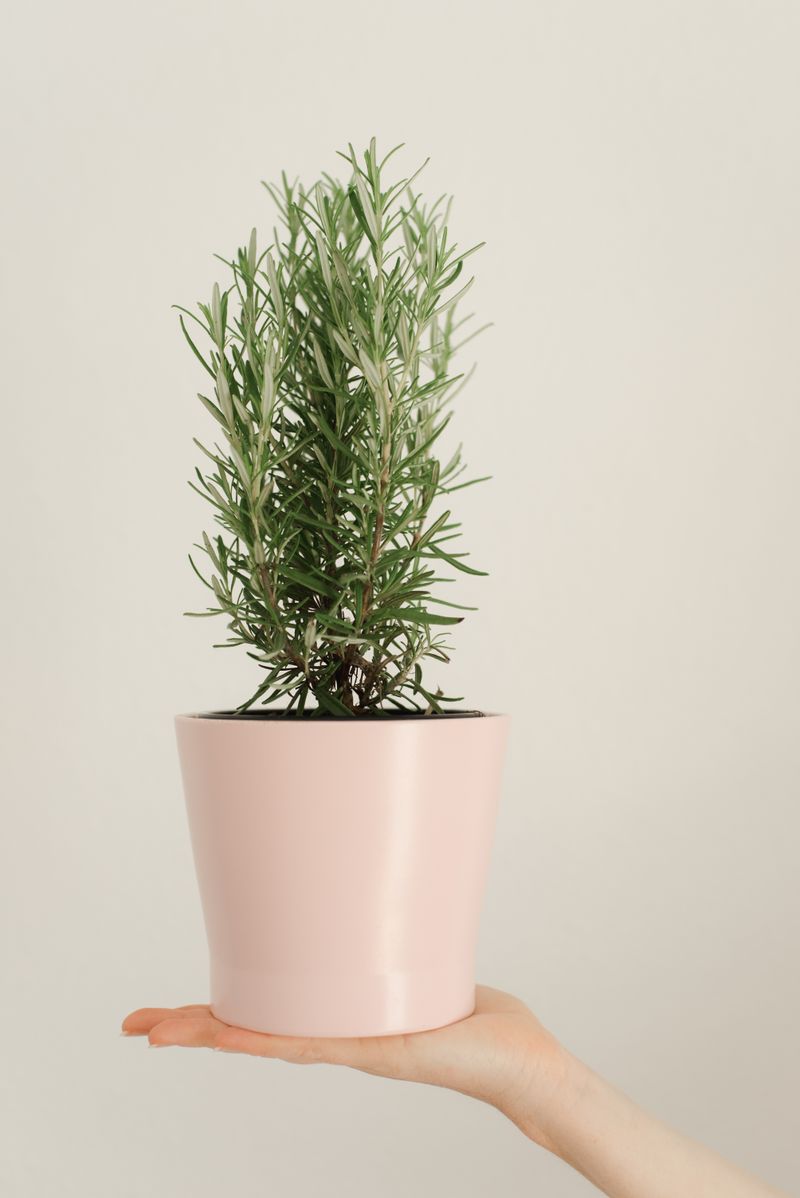
Does rosemary oil actually work for hair growth?
The study everyone cites is Panahi et al. (2015), published in SKINmed. It was a randomized trial of 100 men with androgenetic alopecia — pattern hair loss — assigned to either topical rosemary oil or 2% minoxidil for six months. The result: both groups showed significant increases in hair count, with no statistical difference between them. The rosemary group also reported less scalp itching.
What's in rosemary that could help your scalp?
Rosemary isn't a single molecule — it's a complex botanical with several bioactive compounds, each studied for different effects on hair and scalp health.
- Rosmarinic Acid
- The most studied compound in rosemary for scalp applications. Research has examined its antioxidant properties and association with improved scalp microcirculation.
- Carnosic Acid
- Associated with nerve growth factor (NGF) synthesis in research settings. May play a role in follicle environment support.
- Ursolic Acid
- A triterpene associated with improved blood flow to the scalp. Some research suggests it may help modulate 5-alpha-reductase activity.
Why are Korean brands betting on rosemary for scalp care?
Korea's hair care market is projected to reach $4.5 billion by 2027, and scalp care is being treated as an extension of skincare — not just shampoo. Two brands are leading the rosemary charge with very different approaches.
- Aromatica — the botanical purist
- Their Rosemary Scalp Scaling Shampoo contains 32.7% rosemary leaf extract — one of the highest concentrations in any K-beauty shampoo. Combined with salicylic acid for scalp exfoliation. The line extends to a Rosemary Root Volumizing Scalp Ampoule with caffeine for targeted application on thinning areas.
- Medicube — the biotech approach
- Their new Rosemary PDRN line pairs rosemary with salmon-derived PDRN and EGF in a three-step system: shampoo, conditioner, and rollerball scalp serum. It's the skinification of hair care — treating the scalp like a face with actives and targeted delivery.
How do you use rosemary for your scalp effectively?
Don't apply pure essential oil directly. Undiluted rosemary essential oil can irritate the scalp. The Korean approach — formulated products with rosemary extract at controlled concentrations — is safer and more practical than DIY.
Consistency matters more than concentration. The Panahi study showed results at six months, not six weeks. If you're using a rosemary scalp product, commit to at least 3-6 months before evaluating.
Pair with scalp exfoliation. Rosemary extract works best when the scalp is clean. Dead cell buildup can block actives from reaching the follicle environment. Use a scalp scrub or salicylic acid product weekly.
Which rosemary scalp products are worth trying?
- Aromatica Rosemary Scalp Scaling Shampoo — 32.7% rosemary leaf extract with salicylic acid for deep scalp cleansing. The K-beauty gold standard for rosemary scalp care.
- Aromatica Rosemary Root Volumizing Scalp Ampoule — Targeted rosemary + caffeine ampoule for thinning areas. Apply directly to the scalp with the dropper.
- Medicube Rosemary PDRN Scalp Serum — Rosemary paired with PDRN in a rollerball serum format. Part of a three-step scalp system.
For informational purposes only. Not intended as medical or professional advice.
로즈마리 오일이 임상시험에서 미녹시딜과 맞먹었어요. K-뷰티가 두피 라인을 통째로 만드는 이유
2015년 임상시험에서 로즈마리 오일이 6개월 후 미녹시딜 2%와 동등한 모발 수 증가를 보였어요 — 부작용은 더 적었고요. 아로마티카와 메디큐브가 로즈마리 두피 라인을 만드는 이유와 과학적 근거를 정리했어요.
로즈마리 오일이 모발 성장에 정말 효과가 있을까요?
모두가 인용하는 연구는 SKINmed에 발표된 Panahi 등(2015)의 연구예요. 안드로겐성 탈모(유전성 탈모)가 있는 남성 100명을 대상으로 로즈마리 오일과 미녹시딜 2%를 6개월간 비교한 무작위 시험이었어요. 결과: 두 그룹 모두 유의한 모발 수 증가를 보였고, 통계적 차이는 없었어요. 로즈마리 그룹은 두피 가려움도 적었고요.
로즈마리 속 어떤 성분이 두피에 도움이 될까요?
로즈마리는 단일 분자가 아니라 각각 모발과 두피 건강에 다른 효과가 연구된 여러 생리활성 화합물을 가진 복합 식물이에요.
- 로즈마린산
- 두피 관련 로즈마리 연구에서 가장 많이 연구된 화합물이에요. 항산화 특성과 두피 미세순환 개선과의 관련성이 연구됐어요.
- 카르노신산
- 연구 환경에서 신경 성장 인자(NGF) 합성과 관련이 있어요. 모낭 환경 지원에 역할을 할 수 있어요.
- 우르솔산
- 두피로의 혈류 개선과 관련된 트리테르펜이에요. 일부 연구에서 5-알파 환원효소 활성 조절에 도움이 될 수 있다고 시사해요.
왜 한국 브랜드들이 로즈마리 두피 케어에 투자하고 있을까요?
한국 헤어 케어 시장은 2027년까지 45억 달러 규모로 성장할 것으로 예상되며, 두피 케어가 단순 샴푸가 아니라 스킨케어의 연장선으로 다뤄지고 있어요. 두 브랜드가 매우 다른 접근 방식으로 로즈마리 라인을 이끌고 있어요.
- 아로마티카 — 보타니컬 퓨리스트
- 로즈마리 스칼프 스케일링 샴푸에 32.7% 로즈마리 잎 추출물을 함유 — K-뷰티 샴푸 중 가장 높은 농도 중 하나예요. 살리실산과 결합해 두피 각질 제거. 카페인이 든 로즈마리 루트 볼류마이징 두피 앰플까지 라인이 확장돼요.
- 메디큐브 — 바이오테크 접근
- 새로운 로즈마리 PDRN 라인은 로즈마리에 연어 유래 PDRN과 EGF를 결합한 3단계 시스템이에요: 샴푸, 컨디셔너, 롤러볼 두피 세럼. 스킨케어의 헤어 케어화 — 두피를 얼굴처럼 활성 성분과 타깃 전달로 관리하는 거예요.
로즈마리를 두피에 효과적으로 사용하는 방법은?
순수 에센셜 오일을 직접 바르지 마세요. 희석하지 않은 로즈마리 에센셜 오일은 두피를 자극할 수 있어요. 한국식 접근 — 통제된 농도의 로즈마리 추출물이 든 제형 제품 — 이 DIY보다 안전하고 실용적이에요.
농도보다 꾸준함이 중요해요. Panahi 연구는 6주가 아니라 6개월 후 결과를 보여줬어요. 로즈마리 두피 제품을 사용한다면 최소 3-6개월은 사용해야 평가할 수 있어요.
두피 각질 제거와 함께 사용하세요. 로즈마리 추출물은 두피가 깨끗할 때 가장 잘 작용해요. 각질 축적은 활성 성분이 모낭 환경에 도달하는 것을 방해할 수 있어요. 두피 스크럽이나 살리실산 제품을 주 1회 사용하세요.
어떤 로즈마리 두피 제품을 써볼 만할까요?
- Aromatica Rosemary Scalp Scaling Shampoo — 32.7% 로즈마리 잎 추출물에 살리실산으로 깊은 두피 클렌징. K-뷰티 로즈마리 두피 케어의 기준이에요.
- Aromatica Rosemary Root Volumizing Scalp Ampoule — 얇아진 부위를 위한 로즈마리 + 카페인 타깃 앰플. 드로퍼로 두피에 직접 도포하세요.
- Medicube Rosemary PDRN Scalp Serum — 로즈마리와 PDRN을 결합한 롤러볼 세럼. 3단계 두피 시스템의 일부예요.
본 콘텐츠는 정보를 제공하기 위한 것이며, 전문적인 의료 조언을 대신하지 않습니다.