Your Foundation Now Has Peptides. Welcome to the Age of Skinification.
💄 Summary: Skinification means putting skincare actives into makeup. Whether they work depends on concentration, formulation priority, and contact time — not just whether the ingredient is listed on the label.
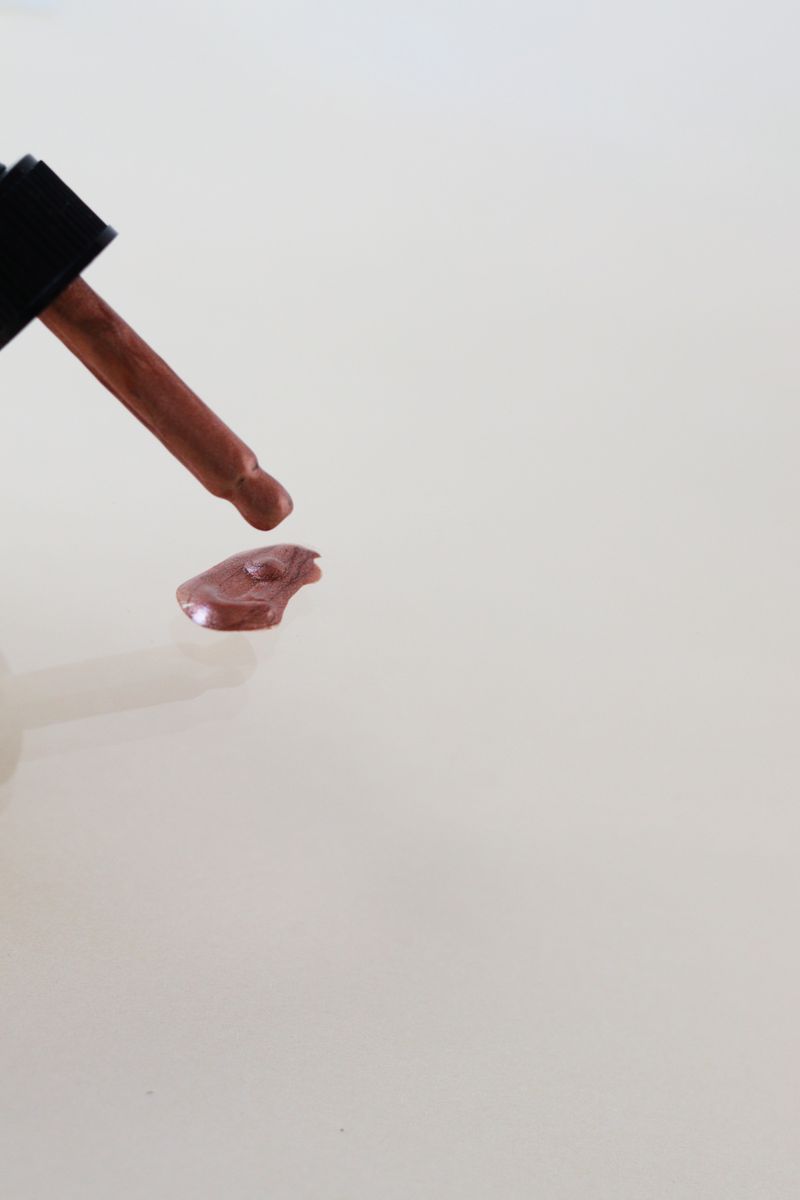
What is skinification, and why is it everywhere in 2026?
Skinification is the trend of formulating non-skincare products — makeup, hair care, body care — with active skincare ingredients. A foundation with niacinamide. A blush with hyaluronic acid. A primer with ceramides. The promise is that your makeup is treating your skin while you wear it.
The numbers explain the hype. Peptide searches grew 79% year over year. Retinal was up 49.6%. Niacinamide up 33.7%. More than 50% of U.S. consumers now want products that combine makeup and skincare — rising to 60% among Gen Z and millennials. Brands are responding: Sephora has a dedicated hybrid category; Armani reformulated Luminous Silk with niacinamide; Glow Recipe launched a niacinamide blush-serum.
Do skincare ingredients in makeup actually work?
This is the real question — and the answer is more nuanced than either side of the debate admits. Three factors determine whether a skincare ingredient does anything useful inside a makeup product:
1. Concentration
Niacinamide is well-studied at 2-5% concentration in serums. If a foundation lists niacinamide but it's at 0.1%, the amount contacting your skin is negligible. Most hybrid products don't disclose active concentrations — that's the first red flag.
2. Formulation priority
A foundation's primary job is coverage and wear. The pigments, film-formers, and stabilizers needed for that can compete with or degrade skincare actives. Peptides are particularly fragile — heat, pH shifts, and interactions with other ingredients can break them down before they reach your skin.
3. Contact time
Makeup sits on the skin for 8-12 hours — longer than most serums. In theory, this extended contact time could help ingredients like hyaluronic acid and glycerin do their humectant job. But makeup also forms a film that can impede penetration of actives into the epidermis.
The cosmetic chemist's verdict
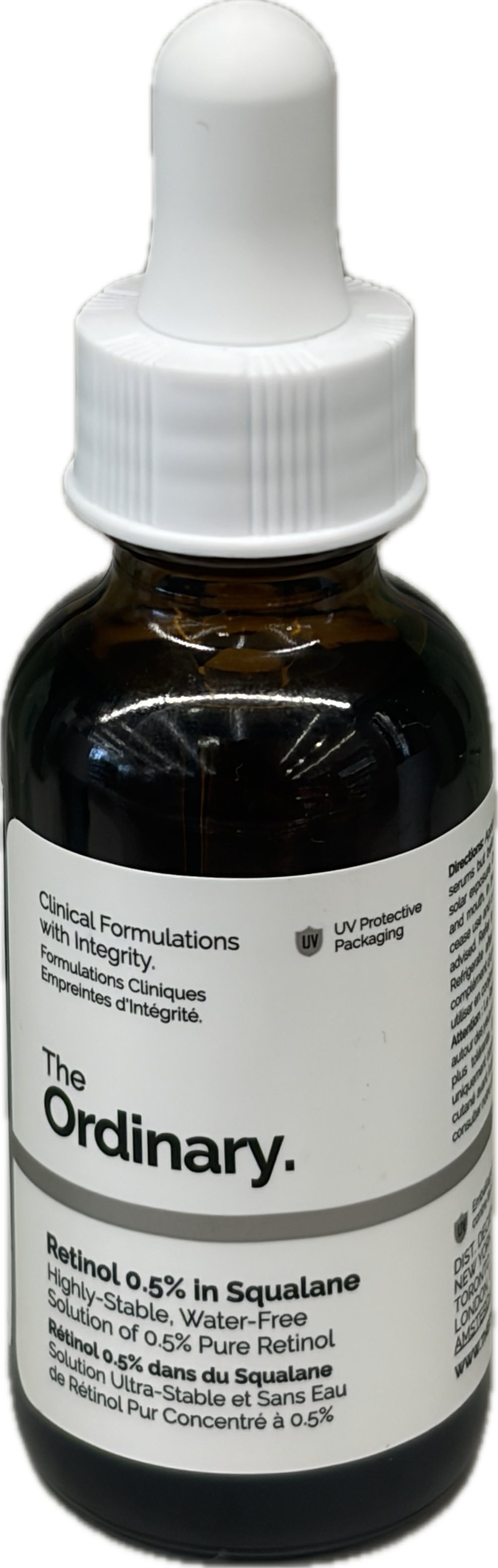
Humectants (hyaluronic acid, glycerin) are the most likely to work in makeup — they don't need deep penetration and benefit from extended wear time. Niacinamide may offer some benefit if present at sufficient concentration. Peptides and retinol are the most skeptical claims — they're fragile, need precise delivery conditions, and are unlikely to survive a complex color cosmetic formulation intact.
What should you actually look for in skinified makeup?
Look for humectants, not miracle actives. If a foundation contains glycerin, hyaluronic acid, or squalane prominently, it will genuinely feel more comfortable on your skin. These aren't revolutionary — but they're real.
Treat "peptide-infused" and "retinol-powered" with skepticism. Unless the brand publishes concentration data and stability testing, these claims are likely marketing-first, science-second.
Your skincare routine still does the heavy lifting. The best skinified makeup is one that doesn't interfere with your skincare underneath — not one that replaces it. Think of the skincare ingredients in your foundation as a bonus, not a substitute.
Ingredient position on the list still matters. If niacinamide or a peptide is listed in the last third of the ingredient list, it's present at trace levels for label appeal, not skin benefit.
Which skinified makeup products are worth trying?
These products feature skincare ingredients prominently enough to plausibly deliver benefit — not just label decoration.
This article is for informational purposes only. Not intended as medical or professional advice.