Decode
Neurocosmetics: Your Skin Has Its Own Stress Response. New Ingredients Are Trying to Shut It Off.
Your skin produces its own cortisol, substance P, and inflammatory neuropeptides — independent of your brain. Neurocosmetics is the emerging field designing ingredients to intercept that cascade before it becomes acne, dullness, or premature aging.
May 19, 2026 · 8 min read
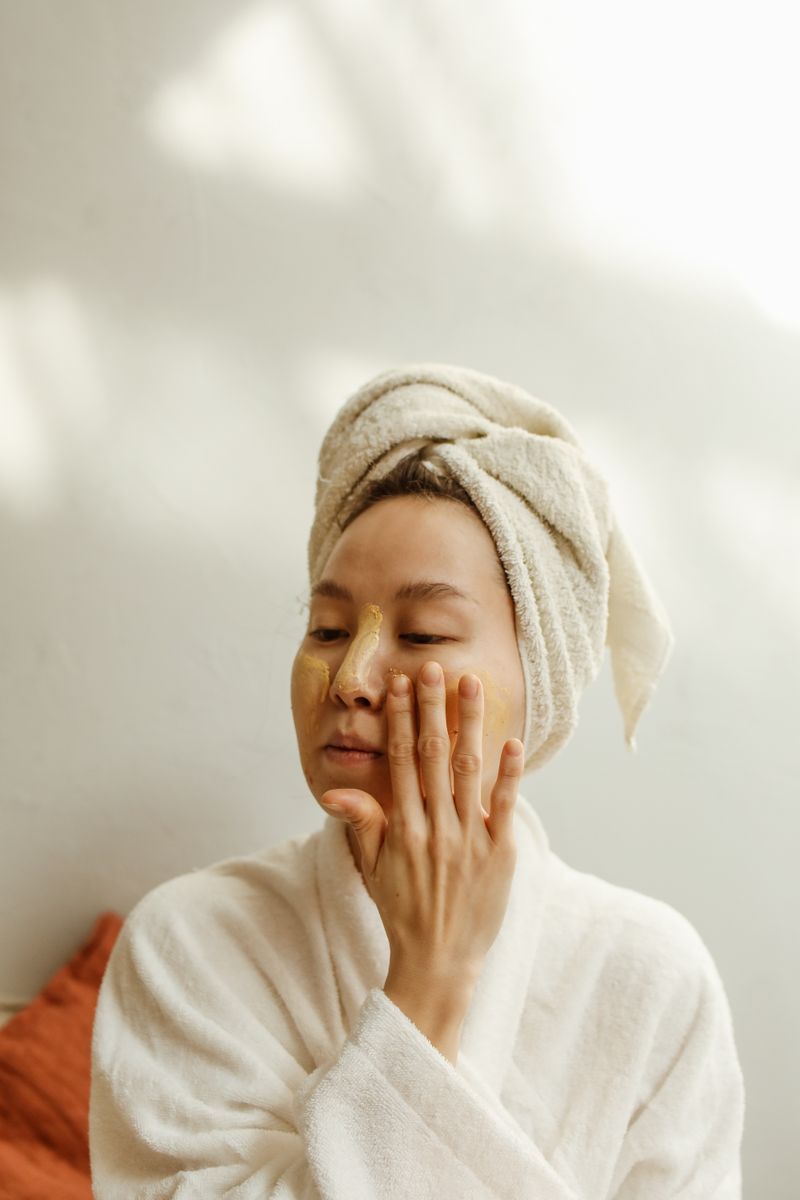
What Are Neurocosmetics — and Why Does Your Skin Have Its Own Stress System?
Here's the part nobody tells you in skincare marketing: your skin doesn't just reflect stress. It generates its own stress response, completely independent of your brain. Epidermal keratinocytes, melanocytes, sebocytes, and mast cells all produce corticotropin-releasing hormone (CRH) — the same molecule your hypothalamus releases when you're anxious. Your skin is running a miniature HPA axis in parallel with your central nervous system.
Neurocosmetics is the field that takes this biology seriously. Instead of treating skin as a passive surface that needs hydrating or exfoliating, neurocosmetics helps with it as a neuroendocrine organ — and targets the signaling molecules (cortisol, substance P, neuropeptide Y, beta-endorphin) that control its behavior.
- Skin Produces Its Own Cortisol
- Keratinocytes express the full enzymatic machinery to synthesize cortisol locally — suppressing immune function, breaking down collagen, and increasing sebum production
- Substance P Triggers Neurogenic Inflammation
- This stress-related neuropeptide is released from nerve endings in the skin, causing mast cell degranulation — leading to redness, swelling, and acne flares
- 20% Slower Skin comfort Under Chronic Stress
- A PMC study found chronically stressed caregivers needed 20% more time for complete dermal skin comfort compared to controls
How Does Stress Age Your Skin at a Molecular Level?
The damage pathway is now well-mapped. When your skin's local HPA axis fires, cortisol binds to glucocorticoid receptors on keratinocytes and fibroblasts, suppressing collagen synthesis while upregulating matrix metalloproteinases (MMPs) that actively break collagen down. Simultaneously, the sympathetic-adrenal medullary (SAM) axis releases epinephrine and norepinephrine, which decrease skin blood flow and impair immune cell trafficking — meaning fewer repair resources reach damaged tissue.
There's also a barrier-specific pathway. Stress decreases ceramide levels and pyrrolidone carboxylic acid (a key component of the skin's natural moisturizing factor) in the stratum corneum. The result: higher transepidermal water loss (TEWL), increased allergen penetration, and a compromised acid mantle — which is why stress breakouts and stress dryness often happen simultaneously.
What Ingredients Do Neurocosmetics Actually Use?
The ingredients fall into three categories based on which part of the stress cascade they intercept. Some are backed by published research. Others are promising but early-stage. Here's what's honest:
- Neurophroline™ (Wild Indigo Extract)
- The most studied neurocosmetic ingredient. Decreases cortisol produced by skin cells and stimulates beta-endorphin release. Published evidence exists, though most studies are supplier-funded. The mechanism is plausible: wild indigo compounds bind to opioid receptors in keratinocytes.
- Palmitoyl Tripeptide-8
- A synthetic peptide that mimics the structure of alpha-MSH, an soothing neuropeptide. Targets substance P-driven neurogenic inflammation — the cascade behind stress-related redness and sensitivity. Used in several K-beauty calming serums.
- Centella-Derived Compounds (Madecassoside)
- Already in every K-beauty cica product, but through a neurocosmetic lens: madecassoside calms neurogenic inflammation by reducing substance P and CGRP release from sensory nerve endings. It's both a traditional barrier ingredient and a neuropeptide modulator.
- Adaptogens (Ginseng, Ashwagandha, Rhodiola)
- Decrease pro-inflammatory leukotriene biosynthesis while enhancing BDNF (brain-derived neurotrophic factor) expression. Sulwhasoo's concentrated ginseng line targets cortisol-mediated collagen loss through ginsenosides — Korea's longest-running neurocosmetic play.
- CBD (Cannabidiol)
- Interacts with endocannabinoid receptors (CB1, CB2) present in keratinocytes and sebocytes. Helps reduce the appearance of redness, modulates sebum production, and may influence serotonin pathways. More established in Western markets; still limited in Korean formulations due to regulatory restrictions.
- GABA (Gamma-Aminobutyric Acid)
- A neurotransmitter used topically to relax facial micro-tension. The neurocosmetic claim: GABA receptors exist on keratinocytes and can reduce fine lines caused by muscle tension. Evidence is preliminary but the receptor biology checks out.
Is the Ritual Itself a Neurocosmetic? The Science of Touch and Skincare
This is where neurocosmetics gets interesting — and where K-beauty may have been doing it all along without the label. Gentle touch on the skin activates C-tactile afferent neurons, which are low-threshold mechanoreceptors tuned specifically for slow, pleasant touch. These fibers feed into vagal pathways that trigger oxytocin release and measurable cortisol reduction.
Korean skincare culture — the patting, the layering, the deliberate 3-5 minute evening ritual — is, neurologically, a cortisol-reduction protocol. The sensory experience matters: texture, temperature, scent. Innisfree's orchid cream line was formulated with an explicit sensory ritual in mind. Sulwhasoo's ginseng range is designed around the olfactory pathway — scent compounds that activate parasympathetic nervous activity through the olfactory bulb, reducing cortisol output during application.
Which Neurocosmetic Products Are Worth Trying?
- Sulwhasoo Concentrated Ginseng Renewing Cream — Ginsenosides target cortisol-mediated collagen loss. Korea's longest-running neurocosmetic approach — decades of research on ginseng's effect on skin stress signaling.
- Dr. Jart+ Cicapair Tiger Grass Color Correcting Treatment — Centella's madecassoside reduces substance P and CGRP from nerve endings — calming neurogenic inflammation while color-correcting redness.
- SKIN1004 Madagascar Centella Ampoule — Pure centella asiatica extract — high concentration of asiaticoside and madecassic acid. Neuropeptide modulation at an accessible price point.
- Innisfree Jeju Orchid Enriched Cream — Deliberately designed as a sensory ritual — texture, scent, and application are formulated to activate parasympathetic pathways. The ritual IS the neurocosmetic.
- COSRX Centella Blemish Cream — Concentrated centella for stress-related breakouts. Targets the substance P → mast cell → inflammation cascade that drives stress acne.
For informational purposes only. Not intended as medical or professional advice.
뉴로코스메틱: 피부에도 스트레스 반응이 있어요. 새로운 성분이 그걸 끄려 하고 있습니다
피부는 뇌와 별개로 코르티솔, 서브스턴스 P, 염증성 신경펩타이드를 스스로 만들어요. 뉴로코스메틱은 그 연쇄반응이 여드름, 칙칙함, 조기 노화로 이어지기 전에 차단하려는 새로운 분야예요.
뉴로코스메틱이란 무엇이고, 피부에는 왜 자체 스트레스 시스템이 있을까요?
스킨케어 마케팅에서 아무도 안 알려주는 사실이 있어요. 피부는 스트레스를 단순히 '반영'하는 게 아니에요. 뇌와 완전히 독립적으로 자체 스트레스 반응을 '생성'해요. 표피의 각질세포, 멜라닌세포, 피지세포, 비만세포 모두 CRH(부신피질자극호르몬 방출호르몬)를 만들어요 — 불안할 때 시상하부가 분비하는 바로 그 분자예요. 피부가 중추신경계와 병렬로 작동하는 소형 HPA 축을 운영하고 있는 거예요.
뉴로코스메틱은 이 생물학을 진지하게 받아들이는 분야예요. 피부를 보습하거나 각질 제거가 필요한 수동적 표면으로 보는 대신, 신경내분비 기관으로 보고 — 피부의 행동을 제어하는 신호 분자(코르티솔, 서브스턴스 P, 뉴로펩타이드 Y, 베타엔도르핀)를 표적으로 삼아요.
- 피부는 자체 코르티솔을 생산해요
- 각질세포는 국소적으로 코르티솔을 합성하는 완전한 효소 체계를 갖추고 있어요 — 면역 기능 억제, 콜라겐 분해, 피지 생산 증가를 일으켜요
- 서브스턴스 P가 신경성 염증을 일으켜요
- 스트레스와 관련된 이 신경펩타이드는 피부 신경 말단에서 분비되어 비만세포 탈과립을 일으켜요 — 홍조, 부기, 여드름 악화로 이어져요
- 만성 스트레스에서 상처 치유가 20% 느려져요
- PMC 연구에서 만성 스트레스를 받는 간병인은 대조군보다 피부 상처 치유에 20% 더 긴 시간이 필요했어요
스트레스는 분자 수준에서 피부를 어떻게 늙게 할까요?
피해 경로는 이제 잘 밝혀져 있어요. 피부의 국소 HPA 축이 작동하면 코르티솔이 각질세포와 섬유아세포의 글루코코르티코이드 수용체에 결합해서 콜라겐 합성은 억제하고 콜라겐을 분해하는 기질금속단백분해효소(MMP)는 활성화해요. 동시에 교감-부신수질(SAM) 축에서 에피네프린과 노르에피네프린이 분비되어 피부 혈류를 감소시키고 면역세포 이동을 방해해요 — 손상된 조직에 복구 자원이 덜 도달하는 거예요.
장벽에 특화된 경로도 있어요. 스트레스는 각질층의 세라마이드와 피롤리돈카르복실산(피부 천연보습인자의 핵심 성분) 수치를 감소시켜요. 결과는 경피수분손실(TEWL) 증가, 알레르겐 침투 증가, 산성막 손상이에요 — 스트레스 트러블과 스트레스 건조가 동시에 오는 이유가 이거예요.
뉴로코스메틱은 실제로 어떤 성분을 사용할까요?
성분들은 스트레스 연쇄반응의 어느 단계를 차단하느냐에 따라 세 가지로 나뉘어요. 일부는 출판된 연구로 뒷받침돼요. 다른 것들은 유망하지만 초기 단계예요. 솔직한 정리는 이래요:
- 뉴로프롤린™ (야생 인디고 추출물)
- 가장 많이 연구된 뉴로코스메틱 성분이에요. 피부 세포의 코르티솔 생산을 줄이고 베타엔도르핀 분비를 촉진해요. 출판된 증거가 있지만 대부분 원료 공급사 자금 연구예요. 기전은 타당해요: 야생 인디고 화합물이 각질세포의 오피오이드 수용체에 결합해요.
- 팔미토일 트리펩타이드-8
- 항염증 신경펩타이드인 알파-MSH의 구조를 모방한 합성 펩타이드예요. 서브스턴스 P에 의한 신경성 염증을 표적으로 해요 — 스트레스 관련 홍조와 민감성의 연쇄반응이에요. 여러 K-뷰티 진정 세럼에 사용돼요.
- 센텔라 유래 화합물 (마데카소사이드)
- 이미 모든 K-뷰티 시카 제품에 들어 있지만 뉴로코스메틱 관점에서 보면: 마데카소사이드는 감각 신경 말단에서 서브스턴스 P와 CGRP 분비를 줄여 신경성 염증을 진정시켜요. 전통적인 장벽 성분이자 신경펩타이드 조절제예요.
- 어댑토젠 (인삼, 아슈와간다, 로디올라)
- 염증성 류코트리엔 합성을 줄이면서 BDNF(뇌유래신경영양인자) 발현을 강화해요. 설화수의 자음생 라인은 진세노사이드를 통해 코르티솔 매개 콜라겐 손실을 표적으로 해요 — 한국에서 가장 오래된 뉴로코스메틱 전략이에요.
- CBD (칸나비디올)
- 각질세포와 피지세포에 있는 엔도카나비노이드 수용체(CB1, CB2)와 상호작용해요. 염증을 줄이고 피지 생산을 조절하며 세로토닌 경로에 영향을 줄 수 있어요. 서양 시장에서는 자리잡았지만 규제 때문에 한국 포뮬레이션에서는 아직 제한적이에요.
- GABA (감마아미노부티르산)
- 안면 미세 긴장을 완화하기 위해 외용으로 사용되는 신경전달물질이에요. 뉴로코스메틱 관점의 주장: 각질세포에 GABA 수용체가 존재하고 근육 긴장으로 인한 잔주름을 줄일 수 있어요. 증거는 초기 단계지만 수용체 생물학은 맞아요.
루틴 자체가 뉴로코스메틱일 수 있을까요? 터치와 스킨케어의 과학
뉴로코스메틱이 흥미로워지는 지점이 여기예요 — 그리고 K-뷰티가 이름 없이 이미 해왔을 수도 있는 부분이에요. 피부에 부드러운 터치를 가하면 C-촉각 구심성 신경이 활성화돼요. 느리고 기분 좋은 터치에 특화된 저역치 기계수용기예요. 이 신경섬유는 미주신경 경로로 이어져서 옥시토신 분비와 측정 가능한 코르티솔 감소를 일으켜요.
한국 스킨케어 문화 — 패팅, 레이어링, 의식적인 3-5분 저녁 루틴 — 는 신경학적으로 코르티솔 감소 프로토콜이에요. 감각 경험이 중요해요: 텍스처, 온도, 향. 이니스프리의 오키드 크림 라인은 명확한 감각 의식을 염두에 두고 개발됐어요. 설화수의 인삼 라인은 후각 경로를 중심으로 설계됐어요 — 도포하는 동안 후각구를 통해 부교감신경 활동을 활성화하는 향기 화합물로 코르티솔 분비를 줄여요.
써볼 만한 뉴로코스메틱 제품은 뭘까요?
- Sulwhasoo Concentrated Ginseng Renewing Cream — 진세노사이드가 코르티솔 매개 콜라겐 손실을 표적으로 해요. 인삼의 피부 스트레스 신호 효과에 대한 수십 년 연구 — 한국에서 가장 오래된 뉴로코스메틱 접근법.
- Dr. Jart+ Cicapair Tiger Grass Color Correcting Treatment — 센텔라의 마데카소사이드가 신경 말단에서 서브스턴스 P와 CGRP 분비를 줄여요 — 신경성 염증을 진정시키면서 홍조를 색보정해요.
- SKIN1004 Madagascar Centella Ampoule — 순수 센텔라 아시아티카 추출물 — 아시아티코사이드와 마데카식산 고농도. 합리적 가격의 신경펩타이드 조절.
- Innisfree Jeju Orchid Enriched Cream — 의도적으로 감각 의식으로 설계된 제품 — 텍스처, 향, 도포 방식이 부교감신경 경로를 활성화하도록 만들어졌어요. 루틴 자체가 뉴로코스메틱이에요.
- COSRX Centella Blemish Cream — 스트레스성 트러블을 위한 고농도 센텔라. 스트레스 여드름을 일으키는 서브스턴스 P → 비만세포 → 염증 연쇄반응을 표적으로 해요.
본 콘텐츠는 정보를 제공하기 위한 것이며, 전문적인 의료 조언을 대신하지 않습니다.