Decode
Your Shower Water Is Undoing Your Skincare Routine — The Filter Trend Korea Started
By J. Yoo
You spend $200 on serums and 10 minutes on your routine — then rinse it all under unfiltered chlorine and hard water. Korean consumers figured this out years ago. Here's what the research actually says.
June 2, 2026 · 7 min read
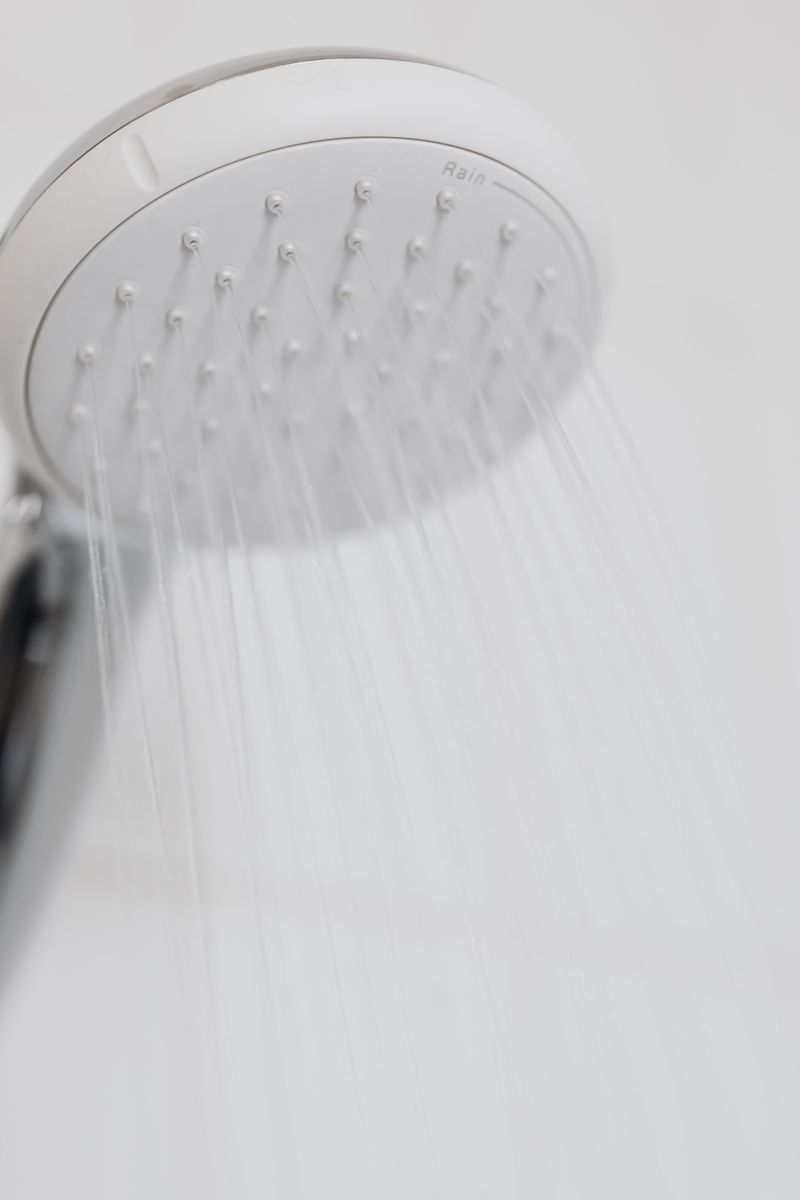
What's Actually in Your Shower Water?
Municipal water treatment keeps drinking water safe — but the chemicals that kill bacteria don't disappear at your shower head. The two main concerns for skin are chlorine (and its cousin chloramine) and hard water minerals (calcium and magnesium).
Chlorine is an oxidizer. On your skin, it does what oxidizers do: it strips the lipid layer that holds your skin barrier together. The stratum corneum — the same barrier you're trying to protect with ceramide creams and gentle cleansers — takes a hit every time you shower in chlorinated water. Research shows this increases transepidermal water loss (TEWL), meaning your skin literally leaks moisture faster after exposure.
Hard water adds a second problem. Calcium and magnesium ions don't rinse cleanly — they leave an invisible mineral film on skin that interferes with how your skincare products absorb. That expensive hyaluronic acid serum? It's trying to penetrate through a layer of mineral residue.
- 63%
- of users reported improved skin moisture after two weeks of using filtered shower water
- 10%
- of the population carries filaggrin gene mutations — making them dramatically more sensitive to hard water
- 99.9%
- chlorine removal rate claimed by NSF-certified Korean shower filters
What Does the Research Say About Shower Water and Skin Damage?
The most-cited study comes from King's College London and the University of Sheffield. Published in the Journal of Investigative Dermatology in 2017, it found that hard water significantly damages the skin barrier and increases the risk of sensitivity. A follow-up 2018 study in the same journal showed the effect was amplified when hard water combined with surfactant residue from cleansers — the exact scenario of a normal shower.
On the chlorine side, the American Academy of Dermatology identifies chlorinated water as a trigger for sensitivity flares. The mechanism is straightforward: chlorine oxidizes the lipids in your stratum corneum, increasing TEWL and leaving skin more vulnerable to irritants in your environment and products.
Why Did Korea Figure This Out Before Everyone Else?
Korea's obsession with water quality in skincare isn't new — it's a natural extension of the same philosophy that produced double cleansing and pH-balanced toners. If you care about what touches your skin at every step, eventually you look upstream. Literally.
Korean brands like Bodyluv and Sonaki (Vitapure) pioneered vitamin C shower filters in the mid-2010s. The concept is simple: ascorbic acid neutralizes chlorine on contact, converting it into a harmless chloride salt before it touches your skin. These aren't just filters that trap sediment — they're chemical neutralization systems.
Do Shower Filters Actually Make a Visible Difference?
The honest answer: it depends on your water. If you live in an area with high chlorine levels or hard water (most urban areas), the difference can be dramatic. Users consistently report softer skin, less post-shower tightness, and reduced scalp irritation within the first week. One study found that 63% of participants showed measurable improvements in skin hydration after just two weeks with filtered water.
Hair results are even more noticeable. Research suggests filtered water can reduce hair shedding by nearly half compared to unfiltered water. Users with curly or textured hair report better curl definition and less frizz — likely because mineral deposits are no longer coating each strand.
- High Impact
- If you have sensitive or dry skin, live in a hard water area, notice post-shower tightness, or have unexplained scalp irritation — you're likely to see a meaningful difference.
- Lower Impact
- If you already have soft water with low chlorine levels, healthy barrier function, and no sensitivity issues — a filter may not produce a dramatic change, though it still removes sediment and rust.
What Should You Look for in a Shower Filter?
- NSF or WQA certification
- This means the filter has been independently tested and verified to remove what it claims. Without certification, you're trusting marketing copy.
- Vitamin C vs. KDF vs. Carbon
- Vitamin C filters excel at chlorine neutralization. KDF (zinc-copper alloy) handles both chlorine and heavy metals. Activated carbon absorbs chlorine and organic compounds. Some filters combine all three.
- Filter lifespan
- Most vitamin C filters last 1–3 months depending on usage. Budget for replacements — an expired filter is worse than no filter because it can harbor bacteria.
- Water pressure
- Cheap filters can reduce water pressure noticeably. Korean brands like Bodyluv engineer for minimal pressure loss — read reviews before buying generic options.
For informational purposes only. Not intended as medical or professional advice.
Which Shower Filters Are Worth Trying?
- Bodyluv Vita Puresome Shower Head — The Korean original. Vitamin C filter with fragrance capsules (mugwort, mandarin tea). 4.8/5 rating with 9,000+ reviews in Korea. Near-100% repurchase rate.
- Sonaki Vitapure Vitamin C Shower Filter — The pioneer. Uses pharmaceutical-grade vitamin C for chlorine neutralization. Clean, no-fragrance option for those who want pure filtration without scent.
- Atojet Carbon Composite Filter Shower — Goes beyond vitamin C with a carbon composite filter that handles chlorine, heavy metals, and sediment. 6-month filter lifespan — less frequent replacements than vitamin C options.
- Second Shower NSF-Certified Vitamin Shower Filter — Engineered in Seoul with NSF certification verifying 99.9% chlorine removal. Infuses vitamins C, E, B3, B5, and biotin. The certification sets it apart from unverified competitors.
샤워기 물이 스킨케어를 망치고 있어요 — 한국이 시작한 필터 트렌드의 과학
세럼에 20만 원 쓰고, 루틴에 10분 투자하고 — 그걸 염소와 경수로 다 씻어내고 있었어요. 한국 소비자들은 이걸 몇 년 전에 알아챘어요. 연구가 실제로 말하는 것을 정리했어요.
샤워 물에 실제로 뭐가 들어 있을까?
수돗물 정수 처리는 식수를 안전하게 만들어요 — 하지만 세균을 죽이는 화학물질이 샤워기에서 사라지지는 않아요. 피부에 문제가 되는 두 가지는 염소(그리고 클로라민)와 경수 미네랄(칼슘, 마그네슘)이에요.
염소는 산화제예요. 피부에서 산화제가 하는 일을 그대로 해요 — 피부 장벽을 결합하는 지질층을 벗겨내요. 세라마이드 크림과 순한 클렌저로 지키려는 바로 그 각질층이 염소 처리된 물로 샤워할 때마다 타격을 받아요. 연구에 따르면 이것이 경피수분손실(TEWL)을 증가시켜, 노출 후 말 그대로 피부에서 수분이 더 빨리 빠져나가요.
경수는 두 번째 문제를 더해요. 칼슘과 마그네슘 이온은 깨끗이 씻기지 않아요 — 눈에 보이지 않는 미네랄 막을 피부에 남기고, 스킨케어 제품의 흡수를 방해해요. 비싸게 산 히알루론산 세럼? 미네랄 잔여물 층을 뚫고 흡수되어야 하는 상황이에요.
- 63%
- 필터된 샤워 물 사용 2주 후 피부 수분 개선을 보고한 사용자 비율
- 10%
- 필라그린 유전자 변이를 가진 인구 비율 — 경수에 극적으로 더 민감해요
- 99.9%
- NSF 인증 한국 샤워 필터의 염소 제거율
샤워 물과 피부 손상에 대해 연구는 뭐라고 할까?
가장 많이 인용되는 연구는 킹스 칼리지 런던과 셰필드 대학교에서 나왔어요. 2017년 Journal of Investigative Dermatology에 게재된 논문에서 경수가 피부 장벽을 유의미하게 손상시키고 민감성 위험을 높인다는 것을 발견했어요. 2018년 같은 저널의 후속 연구에서는 경수가 클렌저의 계면활성제 잔여물과 결합할 때 효과가 증폭된다는 것을 보여줬어요 — 일반적인 샤워의 정확한 시나리오예요.
염소 측면에서는 미국피부과학회(AAD)가 염소 처리된 물을 민감성 악화 요인으로 지목해요. 메커니즘은 단순해요 — 염소가 각질층의 지질을 산화시키고, 경피수분손실을 증가시키고, 환경과 제품 속 자극 물질에 피부를 더 취약하게 만들어요.
한국은 왜 다른 나라보다 먼저 이걸 알아챘을까?
스킨케어에서 수질에 대한 한국의 집착은 새로운 게 아니에요 — 더블 클렌징과 pH 밸런스 토너를 만들어낸 같은 철학의 자연스러운 연장이에요. 모든 단계에서 피부에 닿는 것을 신경 쓰다 보면, 결국 상류로 눈을 돌리게 돼요. 말 그대로요.
바디러브와 소나키(비타퓨어) 같은 한국 브랜드가 2010년대 중반에 비타민C 샤워 필터를 개척했어요. 개념은 단순해요 — 아스코르브산(비타민C)이 염소를 접촉 즉시 중화해서, 피부에 닿기 전에 무해한 염화물 소금으로 변환해요. 침전물만 걸러내는 필터가 아니라 화학적 중화 시스템이에요.
샤워 필터, 진짜 눈에 보이는 차이가 있을까?
솔직한 답변은 — 수질에 따라 달라요. 염소 농도가 높거나 경수 지역(대부분의 도시)에 산다면 차이가 극적일 수 있어요. 사용자들은 일관되게 첫 주 안에 피부가 부드러워지고, 샤워 후 당김이 줄고, 두피 자극이 감소했다고 보고해요. 한 연구에서는 참가자의 63%가 필터된 물 사용 2주 만에 측정 가능한 피부 보습 개선을 보였어요.
모발 효과는 더 눈에 띄어요. 연구에 따르면 필터된 물이 비필터 대비 모발 탈락을 거의 절반으로 줄일 수 있어요. 곱슬머리나 웨이브 머리 사용자들은 컬이 더 살아나고 부스스함이 줄었다고 해요 — 미네랄 침착이 더 이상 머리카락을 코팅하지 않기 때문이에요.
- 효과 큰 경우
- 민감하거나 건조한 피부, 경수 지역 거주, 샤워 후 당김, 원인 불명의 두피 자극이 있다면 의미 있는 차이를 느낄 가능성이 높아요.
- 효과 작은 경우
- 이미 연수에 염소 수치가 낮고, 건강한 장벽 기능에 민감성 이슈가 없다면 — 필터가 극적인 변화를 만들지 않을 수 있어요. 다만 침전물과 녹 제거는 해줘요.
샤워 필터, 어떤 걸 골라야 할까?
- NSF 또는 WQA 인증
- 독립적으로 테스트되고 검증됐다는 의미예요. 인증 없이는 마케팅 문구만 믿는 거예요.
- 비타민C vs. KDF vs. 활성탄
- 비타민C 필터는 염소 중화에 뛰어나요. KDF(아연-구리 합금)는 염소와 중금속 모두 처리해요. 활성탄은 염소와 유기 화합물을 흡착해요. 세 가지를 결합한 필터도 있어요.
- 필터 수명
- 대부분의 비타민C 필터는 사용량에 따라 1~3개월 지속돼요. 교체 비용을 고려하세요 — 수명 지난 필터는 세균이 번식할 수 있어 없는 것보다 나빠요.
- 수압
- 저가 필터는 수압을 눈에 띄게 줄일 수 있어요. 바디러브 같은 한국 브랜드는 최소한의 수압 손실을 위해 설계해요 — 일반 제품은 리뷰를 먼저 확인하세요.
본 콘텐츠는 정보를 제공하기 위한 것이며, 전문적인 의료 조언을 대신하지 않습니다.
어떤 샤워 필터가 써볼 만할까?
- Bodyluv Vita Puresome Shower Head — 한국 오리지널이에요. 비타민C 필터에 향기 캡슐(쑥, 만다린 티)을 더했어요. 국내 리뷰 9,000건 이상, 평점 4.8/5. 재구매율이 거의 100%에 가까워요.
- Sonaki Vitapure Vitamin C Shower Filter — 선구자 브랜드예요. 의약품급 비타민C로 염소를 중화해요. 향기 없이 순수한 정수 기능만 원하는 분에게 맞아요.
- Atojet Carbon Composite Filter Shower — 비타민C를 넘어 활성탄 복합 필터로 염소, 중금속, 침전물을 처리해요. 필터 수명 6개월 — 비타민C 필터보다 교체 주기가 길어요.
- Second Shower NSF-Certified Vitamin Shower Filter — 서울에서 설계되고 NSF 인증으로 99.9% 염소 제거가 검증됐어요. 비타민 C, E, B3, B5, 비오틴을 주입해요. 인증이 미검증 경쟁 제품과 차별화해요.