Decode
Is Slugging Actually Good for Your Skin? What 98% TEWL Reduction Really Means
Coating your face in Vaseline before bed sounds unhinged — until you learn that petroleum jelly blocks 98% of water loss from your skin. Here's who should slug, who shouldn't, and what the science actually says.
June 6, 2026 · 6 min read
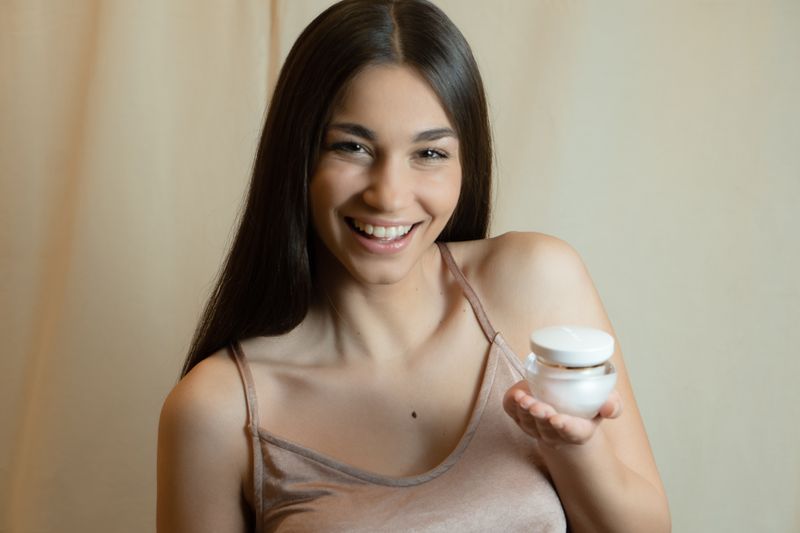
What does slugging actually do to your skin?
Slugging is the practice of applying a thick occlusive — usually petroleum jelly (Vaseline) — as the last step of your nighttime routine. The name comes from the slug-trail sheen it leaves on your face.
The science behind it is straightforward. Your skin constantly loses water through evaporation — a process called transepidermal water loss (TEWL). Research has shown that petroleum jelly reduces TEWL by up to 98% — more than any other moisturizing ingredient. By comparison, mineral oil blocks about 40%, and typical moisturizers block 20–30%.
- 98%
- TEWL reduction from petroleum jelly — the highest of any single ingredient
- Non-comedogenic
- Refined petroleum jelly does not clog pores — the old study was debunked
Does Vaseline clog pores? The myth vs. the science
Who should slug — and who should skip it?
- ✅ Great for
- Dry skin · Dehydrated skin · Barrier-compromised skin (from over-exfoliating, retinol, or weather) · Mature skin · Dry winter climates · Night-only use
- ❌ Skip if
- Oily or blemish-prone skin · You haven't cleansed properly · You're using actives like retinol underneath (can intensify irritation by trapping it) · Humid summer weather (skin doesn't need the occlusion)
The golden rule: Slug over clean, hydrated skin. Cleanse → hydrating toner → moisturizer → thin layer of occlusive. Never slug over actives, dirty skin, or heavy makeup residue.
Products worth considering
- Laneige Water Sleeping Mask — Lightweight K-beauty alternative to heavy petroleum — occlusive enough for overnight hydration without the slug feel.
- Illiyoon Ceramide Ato Concentrate Cream — Ceramide-rich cream that provides strong occlusion without petroleum — excellent for sensitive, dry skin.
- CeraVe Healing Ointment — Petrolatum-based but with ceramides and hyaluronic acid — a dermatologist favorite for targeted slugging.
For informational purposes only. Not intended as medical or professional advice.
슬러깅이 정말 피부에 좋을까? 수분 손실 98% 감소의 진짜 의미
자기 전에 바셀린을 얼굴에 바르는 게 말이 안 되는 것 같지만 — 바셀린이 피부 수분 손실의 98%를 차단한다는 걸 알면 생각이 달라져요. 누가 슬러깅을 해야 하고, 누가 하면 안 되는지 과학이 말해줘요.
슬러깅이 피부에 실제로 하는 일은?
슬러깅은 밤 루틴의 마지막 단계에서 바셀린 같은 두꺼운 밀폐제를 바르는 거예요. 얼굴에 달팽이 자국처럼 반들거리는 광택이 생겨서 이런 이름이 붙었어요.
과학적 원리는 단순해요. 피부는 증발을 통해 끊임없이 수분을 잃는데, 이걸 경피수분손실(TEWL)이라고 해요. 연구에 따르면 바셀린은 TEWL을 최대 98%까지 줄여요 — 다른 어떤 보습 성분보다 높아요. 비교하면 미네랄 오일은 약 40%, 일반 보습제는 20~30% 정도 차단해요.
- 98%
- 바셀린의 경피수분손실 감소율 — 단일 성분 중 최고
- 논코메도제닉
- 정제된 바셀린은 모공을 막지 않아요 — 과거 연구는 반박됨
바셀린이 모공을 막을까? 속설 vs 과학
슬러깅을 해야 할 사람, 하면 안 될 사람은?
- ✅ 추천
- 건성 피부 · 수분 부족 피부 · 장벽이 약해진 피부 (과도한 각질제거, 레티놀, 날씨) · 성숙한 피부 · 건조한 겨울 · 밤에만 사용
- ❌ 피할 것
- 지성 또는 트러블 피부 · 제대로 세안하지 않은 경우 · 아래에 레티놀 같은 활성 성분 사용 시 (자극이 갇혀서 강해질 수 있음) · 습한 여름 날씨 (밀폐가 필요 없음)
황금 규칙: 깨끗하고 수분이 공급된 피부 위에 슬러깅하세요. 세안 → 수분 토너 → 보습제 → 얇은 밀폐제. 활성 성분, 더러운 피부, 두꺼운 메이크업 잔여물 위에는 절대 슬러깅하지 마세요.
고려할 만한 제품들
- Laneige Water Sleeping Mask — 두꺼운 바셀린 대신 쓸 수 있는 가벼운 K-뷰티 대안 — 슬러깅 느낌 없이 밤새 수분을 가둬줘요.
- Illiyoon Ceramide Ato Concentrate Cream — 세라마이드가 풍부한 크림으로 바셀린 없이 강한 밀폐 효과 — 민감하고 건조한 피부에 탁월해요.
- CeraVe Healing Ointment — 바셀린 기반이지만 세라마이드와 히알루론산 함유 — 부분 슬러깅에 피부과 전문의가 선호하는 제품.
본 콘텐츠는 정보를 제공하기 위한 것이며, 전문적인 의료 조언을 대신하지 않습니다.