Molecular Insights
Dark Circles Won't Go Away? There Are 4 Different Types — and You're Probably Treating the Wrong One.
Eye cream isn't working because there's no single "dark circle." There are four distinct types — pigmented, vascular, structural, and mixed — each caused by different biology and treated with different ingredients. Most people are fighting the wrong one.
June 18, 2026 · 7 min read
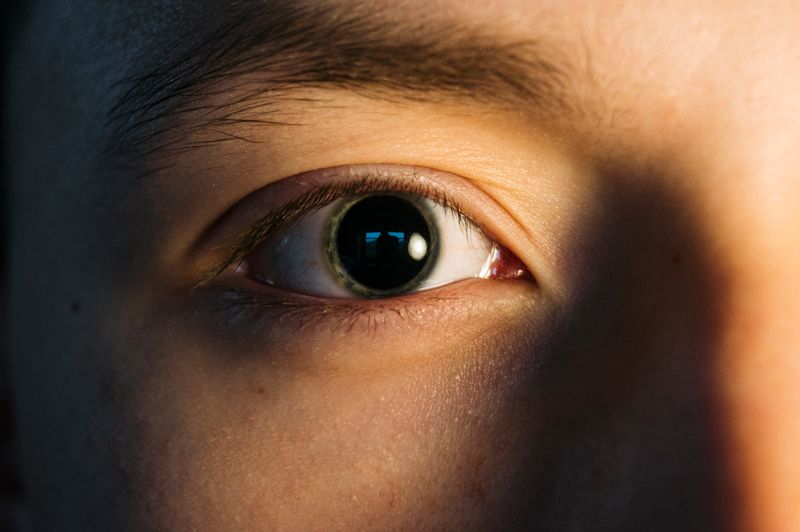
How Do You Tell Which Type of Dark Circles You Have?
There's a simple test. Gently stretch the skin under your eye with one finger. If the darkness fades or disappears when stretched — it's vascular (you're seeing blood vessels through thin skin). If the color stays the same — it's pigmented (melanin deposits in the skin itself). If it changes based on the angle of light — it's structural (a shadow cast by hollowing, not a skin color issue at all).
- 4 types
- Pigmented (brown), vascular (blue/purple), structural (shadow), mixed — each needs a different approach
- The stretch test
- Stretch the under-eye skin: fades = vascular, stays = pigmented, changes with light = structural
What Causes Each Type of Dark Circle?
- 🟤 Pigmented (Brown)
- Excess melanin deposited in the epidermis. Caused by sun exposure, friction (rubbing eyes), genetics, and post-inflammatory hyperpigmentation. Most common in deeper skin tones. Treatable topically.
- 🟣 Vascular (Blue/Purple)
- Blood vessels visible through thin under-eye skin (only 0.5mm thick). Worsened by fatigue, allergies, nasal congestion, and anything that dilates blood vessels or slows circulation. Partially treatable topically.
- ⬛ Structural (Shadow)
- Not a skin color problem at all — it's a shadow. Created by tear trough hollowing, orbital fat loss, deep-set eye anatomy, or aging-related volume loss. Not treatable with topical products.
- 🔄 Mixed
- Most people have a combination. Thin skin showing vessels + some pigmentation + mild hollowing = the most common real-world presentation.
Which Ingredients Work for Which Type?
For structural dark circles — no eye cream will fill in lost volume or change your bone structure. This type is best addressed with professional options like filler or fat grafting. What you can do topically: retinol to thicken the under-eye skin over time, making the hollowing less visible by increasing the thickness of the skin covering it.
Why Do Dark Circles Look Worse Some Days?
If your dark circles fluctuate day to day, that's a strong sign of a vascular component. Sleep deprivation dilates blood vessels and slows lymphatic drainage — making blue/purple circles worse in the morning. Allergies cause nasal congestion that backs up blood flow in the periorbital veins. Alcohol and salt cause fluid retention and puffiness, which casts additional shadows. If your circles are always the same intensity regardless of sleep, they're more likely pigmented or structural.
For informational purposes only. Not intended as medical or professional advice.
Korean Eye Creams Worth Trying
- Beauty of Joseon Revive Eye Serum: Ginseng + Retinal — Ginseng for microcirculation (vascular) + retinal for skin thickness and pigmentation. Attacks two dark circle types at once.
- Innisfree Green Tea Caffeine Bright-Eye Serum — Caffeine + green tea antioxidants. Targets vascular dark circles and morning puffiness.
- Medicube Collagen Night Wrapping Eye Mask — Overnight dissolving patch with collagen and peptides. Delivers active ingredients while you sleep — good for mixed-type circles.
- Pyunkang Yul Black Tea Eye Cream — Fermented black tea extract for antioxidant support and gentle brightening without retinol. Good for sensitive under-eye skin.
다크서클이 안 없어진다고요? 4가지 타입이 있는데 — 잘못된 걸 관리하고 있을 가능성이 높아요.
아이크림이 안 듣는 이유는 "다크서클"이 하나가 아니기 때문이에요. 색소성, 혈관성, 구조적, 혼합형 — 네 가지 타입이 있고, 각각 다른 생물학적 원인과 다른 성분으로 관리돼요. 대부분 잘못된 걸 치료하고 있어요.
내 다크서클이 어떤 타입인지 어떻게 알 수 있을까?
간단한 테스트가 있어요. 한 손가락으로 눈 밑 피부를 부드럽게 당겨보세요. 당겼을 때 어두움이 옅어지거나 사라지면 — 혈관성이에요(얇은 피부 아래 혈관이 보이는 것). 색이 그대로면 — 색소성이에요(피부 자체에 멜라닌이 침착된 것). 빛의 각도에 따라 변하면 — 구조적이에요(함몰로 인한 그림자, 피부색 문제가 아니에요).
- 4가지 타입
- 색소성(갈색), 혈관성(청보라), 구조적(그림자), 혼합형 — 각각 다른 접근이 필요
- 당김 테스트
- 눈 밑 피부 당기기: 옅어짐 = 혈관성, 그대로 = 색소성, 빛에 따라 변화 = 구조적
각 다크서클 타입의 원인은?
- 🟤 색소성 (갈색)
- 표피에 과잉 멜라닌 침착. 자외선 노출, 마찰(눈 비비기), 유전, 염증 후 과색소침착이 원인. 어두운 피부톤에서 가장 흔해요. 토피컬로 관리 가능.
- 🟣 혈관성 (청보라)
- 얇은 눈 밑 피부(0.5mm)를 통해 혈관이 보이는 것. 피로, 알레르기, 코막힘, 혈관 확장이나 순환 둔화에 의해 악화. 토피컬로 부분적 관리 가능.
- ⬛ 구조적 (그림자)
- 피부색 문제가 전혀 아니에요 — 그림자예요. 눈물고랑 함몰, 안와 지방 감소, 쑥 들어간 눈 구조, 노화로 인한 볼륨 손실로 생겨요. 토피컬 제품으로 관리 불가.
- 🔄 혼합형
- 대부분 복합적이에요. 얇은 피부 아래 혈관 + 약간의 색소침착 + 가벼운 함몰 = 현실에서 가장 흔한 조합.
어떤 성분이 어떤 타입에 효과적일까?
구조적 다크서클에는 — 어떤 아이크림도 잃어버린 볼륨을 채우거나 골격을 바꿀 수 없어요. 이 타입은 필러나 지방이식 같은 전문적 옵션이 가장 효과적이에요. 토피컬로 할 수 있는 것: 레티놀로 시간에 걸쳐 눈 밑 피부를 두껍게 해서, 그 위를 덮는 피부 두께를 늘려 함몰이 덜 보이게 하는 것.
왜 다크서클이 어떤 날은 더 심해 보일까?
다크서클이 날마다 달라진다면, 혈관성 요소가 있다는 강한 신호예요. 수면 부족은 혈관을 확장시키고 림프 배출을 늦춰 — 아침에 청보라 서클을 악화시켜요. 알레르기는 코막힘을 일으켜 안와 주위 정맥의 혈류를 막아요. 알코올과 소금은 수분 저류와 부기를 일으켜 추가 그림자를 만들어요. 수면과 관계없이 항상 같은 강도라면 색소성이나 구조적일 가능성이 높아요.
본 콘텐츠는 정보를 제공하기 위한 것이며, 전문적인 의료 조언을 대신하지 않습니다.
써볼 만한 한국 아이크림
- Beauty of Joseon Revive Eye Serum: Ginseng + Retinal — 인삼으로 미세 순환(혈관성) + 레티날로 피부 두께와 색소 침착. 두 가지 다크서클 타입을 동시에 공략.
- Innisfree Green Tea Caffeine Bright-Eye Serum — 카페인 + 녹차 항산화. 혈관성 다크서클과 아침 부기를 타겟.
- Medicube Collagen Night Wrapping Eye Mask — 콜라겐과 펩타이드가 든 오버나이트 용해 패치. 자는 동안 활성 성분 전달 — 혼합형 다크서클에 적합.
- Pyunkang Yul Black Tea Eye Cream — 레티놀 없이 항산화 지원과 부드러운 브라이트닝을 위한 발효 홍차 추출물. 민감한 눈 밑 피부에 적합.