Skincare
"Ozempic Face" Is Creating a New Skincare Category. Here's the Science Behind GLP-1 Skin Rebound.
Millions are losing weight on GLP-1 drugs — and watching their faces age in fast forward. Now labs are racing to formulate around a problem that didn't exist three years ago.
May 27, 2026 · 7 min read
What exactly is 'Ozempic face' — and why does it happen?
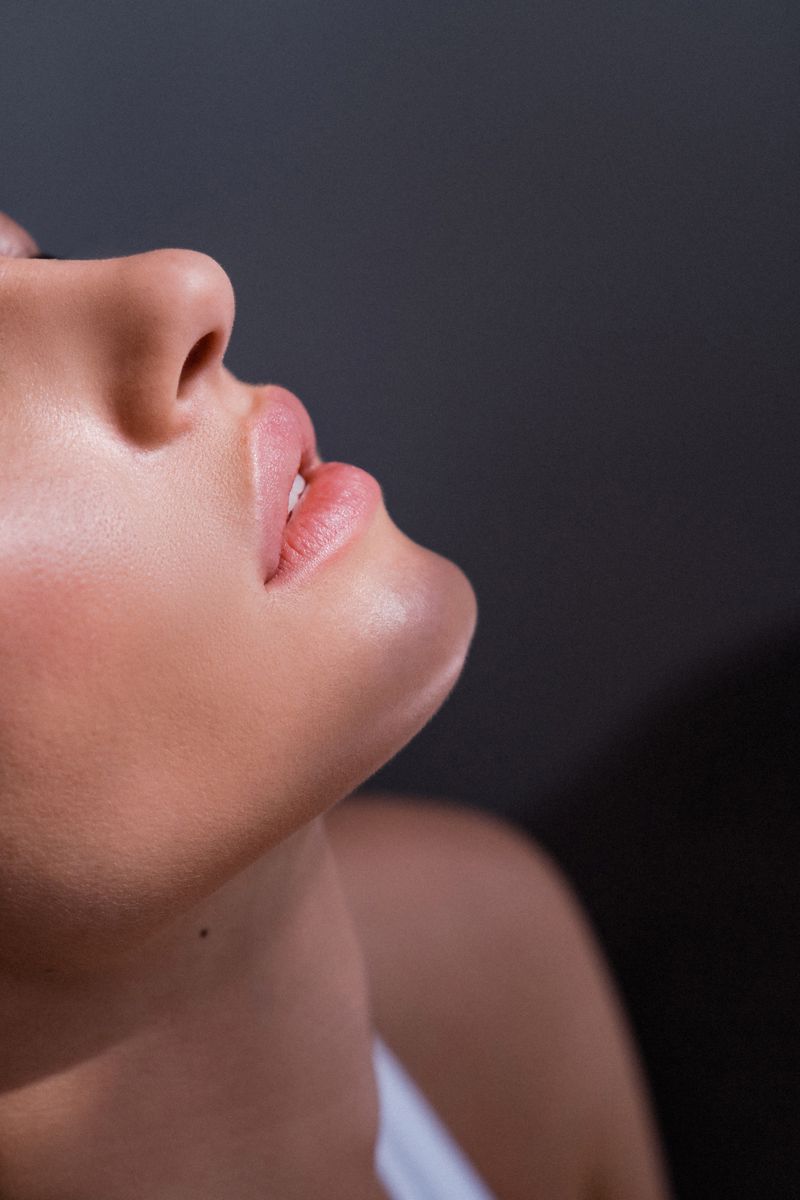
"Ozempic face" is the informal term for the gaunt, prematurely aged look that some people develop after rapid weight loss on GLP-1 receptor agonist medications like semaglutide (Ozempic, Wegovy) and tirzepatide (Mounjaro). Sunken cheeks, hollowed temples, a sharper jawline that reads less "sculpted" and more "deflated" — it's the face catching up to a body that changed too fast for the skin to follow. But the mechanism is more nuanced than just "lost fat, skin sagged." A 2026 review in Frontiers in Pharmacology identified at least two competing biological pathways that GLP-1 drugs trigger in the skin — one that may actually slow systemic aging, and one that accelerates it on the face specifically.
- 1 in 8
- American adults are currently on a GLP-1 medication
- Face & jaw
- Areas where volume loss from rapid weight change is most visible
- Dual pathway
- GLP-1 may slow systemic aging while accelerating facial skin changes
How do GLP-1 drugs affect collagen and skin structure?
The research paints a complicated picture. GLP-1 medications don't simply remove fat — they alter the environment that skin cells rely on to maintain their structure.
Here's where it gets paradoxical: the same drugs also reduce advanced glycation end products (AGEs) — the sugar-derived molecules that cross-link collagen and make it stiff and brittle. They also lower systemic inflammation through NF-κB signaling. So the body may actually be aging more slowly overall, even as the face appears to age faster. This is why researchers are calling GLP-1's effect on skin a "dual pathway" — and why the skincare response can't be a simple "add more collagen."
What ingredients should you look for in GLP-1-era skincare?
The first generation of products formulated for GLP-1 users is already on shelves. They tend to converge on a few ingredient categories that address the specific pathways described above — not generic "firming" but targeted support for skin that's lost its structural scaffolding.
- Peptides & collagen fragments
- Biomimetic collagen peptides signal fibroblasts to ramp up collagen synthesis — compensating for the estrogen-driven signal that DWAT shrinkage takes away. Copper peptides (GHK-Cu) and palmitoyl peptides are common choices.
- Advanced hyaluronic acid
- Not just surface hydration — multi-weight HA complexes aim to restore the water-binding capacity that declines as DWAT shrinks. Some new formulas use cross-linked HA that stays in the dermis longer.
- Bakuchiol & retinoids
- Cell turnover support for skin that's lost its renewal momentum. Bakuchiol offers a gentler option — important because GLP-1-affected skin can be more sensitive due to barrier thinning.
- Ectoin & encapsulated antioxidants
- GLP-1 drugs increase reactive oxygen species (ROS) production in ADSCs. Ectoin — an extremophile-derived stress protectant — and encapsulated vitamin C or astaxanthin help neutralize this oxidative load.
Can topical skincare actually reverse 'Ozempic face'?
Let's be honest: topical products cannot restore lost facial fat compartments. That's a structural change that only fillers, fat grafting, or stopping the medication can address. What topicals can do is improve the quality of the skin envelope itself — firmness, texture, hydration, and density. Dermatologists describe it as making the best possible canvas out of a face that's lost its padding. In clinical studies of peptide and HA-based formulas, users reported visible improvement in crepiness and jawline definition after 8–12 weeks of consistent use. The Korean clinic approach is layered: collagen-stimulating skin boosters (PDRN, PLLA micro-injections) for structural rebuilding, combined with a topical routine of peptides, retinoids, and barrier-supporting ingredients for daily maintenance.
Products formulated for GLP-1 skin changes
- IMAGE Skincare VOL.U.LIFT GLP-1 4D Skin Rebound Complex — The first product explicitly formulated for GLP-1 users — contains biomimetic collagen peptides, multi-weight HA, bakuchiol, ectoin, and astaxanthin-rich microalgae. Targets deflation, density loss, dehydration, and deep wrinkles.
- skinbetter science InterFuse Treatment Cream FACE & NECK — Peptide-rich formula with caffeine, green microalgae, and shiitake mushroom extract. Designed for firmer, less crepey skin texture — widely recommended for patients on GLP-1 medications.
- Medicube Collagen Jelly Cream — Korean peptide + collagen capsule formula in a bouncy jelly texture. A K-beauty approach to the density and firmness concerns that GLP-1 users are experiencing.
For informational purposes only. Not intended as medical or professional advice.
오젬픽 얼굴이 새로운 스킨케어 카테고리를 만들고 있다. GLP-1 피부 리바운드의 과학.
수백만 명이 GLP-1 약물로 체중을 감량하면서 얼굴이 급격히 늙어가는 현상을 경험하고 있다. 3년 전엔 존재하지도 않았던 문제를 해결하기 위해 연구소들이 움직이기 시작했다.
'오젬픽 얼굴'이 정확히 뭐고, 왜 생기는 걸까?
'오젬픽 얼굴'은 세마글루타이드(오젬픽, 위고비)나 티르제파타이드(마운자로) 같은 GLP-1 수용체 작용제로 급격한 체중 감량 후 나타나는 수척하고 조기 노화된 외모를 말하는 비공식 용어예요. 푹 꺼진 볼, 움푹 들어간 관자놀이, '조각 같다'기보다 '쪼그라들었다'에 가까운 턱선 — 몸이 너무 빨리 변해서 피부가 따라가지 못한 결과죠. 하지만 메커니즘은 단순히 '살이 빠져서 피부가 처졌다'보다 훨씬 복잡해요. 2026년 Frontiers in Pharmacology 리뷰에 따르면 GLP-1 약물은 피부에서 최소 두 가지 상반된 생물학적 경로를 동시에 작동시켜요 — 하나는 전신 노화를 늦추고, 다른 하나는 얼굴에서 노화를 가속하는 경로.
- 8명 중 1명
- 미국 성인이 현재 GLP-1 약물을 복용 중
- 얼굴 & 턱
- 급격한 체중 변화로 볼륨 손실이 가장 두드러지는 부위
- 이중 경로
- GLP-1은 전신 노화를 늦추면서 얼굴 피부 변화를 가속할 수 있어요
GLP-1 약물은 콜라겐과 피부 구조에 어떤 영향을 줄까?
연구 결과는 복잡한 그림을 그려요. GLP-1 약물은 단순히 지방을 제거하는 게 아니라, 피부 세포가 구조를 유지하는 데 의존하는 환경 자체를 바꿔버려요.
여기서 역설적인 부분이 나와요: 같은 약물이 최종당화산물(AGEs)도 줄여요 — 콜라겐을 교차 결합시켜 딱딱하고 부서지기 쉽게 만드는 당 유래 분자들이죠. NF-κB 시그널링을 통해 전신 염증도 낮춰요. 그래서 몸 전체는 실제로 더 천천히 늙고 있을 수 있는데, 얼굴은 더 빨리 늙어 보이는 거예요. 연구자들이 GLP-1의 피부 효과를 '이중 경로'라고 부르는 이유가 이거예요 — 그리고 스킨케어 대응이 단순히 '콜라겐을 더 넣자'가 될 수 없는 이유이기도 해요.
GLP-1 시대의 스킨케어, 어떤 성분을 찾아야 할까?
GLP-1 사용자를 위해 설계된 1세대 제품들이 이미 매대에 올라와 있어요. 일반적인 '탄력' 제품이 아니라, 구조적 지지대를 잃은 피부의 특정 경로를 지원하는 몇 가지 성분 카테고리에 집중하는 경향이에요.
- 펩타이드 & 콜라겐 프래그먼트
- 생체 모방 콜라겐 펩타이드는 섬유아세포에 콜라겐 합성 신호를 보내요 — DWAT 축소로 사라진 에스트로겐 신호를 보완하는 역할이죠. 구리 펩타이드(GHK-Cu)와 팔미토일 펩타이드가 대표적.
- 차세대 히알루론산
- 단순한 표면 보습이 아니에요 — 다중 분자량 HA 복합체가 DWAT 축소로 감소한 수분 결합 능력을 회복하는 걸 목표로 해요. 진피에 더 오래 머무는 가교 HA를 쓰는 새 포뮬러도 있어요.
- 바쿠치올 & 레티노이드
- 재생 속도를 잃은 피부의 세포 턴오버를 지원해요. 바쿠치올은 더 순한 옵션 — GLP-1의 영향으로 장벽이 얇아진 피부가 더 예민할 수 있어서 중요해요.
- 엑토인 & 캡슐화 항산화제
- GLP-1 약물은 ADSC에서 활성산소(ROS) 생성을 증가시켜요. 극한 환경 미생물 유래 스트레스 보호제인 엑토인과 캡슐화된 비타민 C 또는 아스타잔틴이 이 산화 부담을 줄이는 데 도움이 돼요.
토피컬 스킨케어로 '오젬픽 얼굴'을 실제로 되돌릴 수 있을까?
솔직히 말하면: 토피컬 제품으로 손실된 얼굴 지방을 복원할 수는 없어요. 이건 필러, 지방 이식, 또는 약물 중단만이 해결할 수 있는 구조적 변화예요. 토피컬이 할 수 있는 건 피부 자체의 품질을 개선하는 거예요 — 탄력, 질감, 수분, 밀도. 피부과 전문의들은 이걸 '패딩을 잃은 얼굴에서 최상의 캔버스를 만드는 것'이라고 표현해요. 펩타이드와 HA 기반 포뮬러 임상 연구에서 사용자들은 8~12주 꾸준한 사용 후 잔주름과 턱선 정의에서 눈에 띄는 개선을 보고했어요. 한국 클리닉 접근법은 레이어드 방식이에요: 구조적 재건을 위한 콜라겐 촉진 스킨 부스터(PDRN, PLLA 미세 주입)와 일상 관리를 위한 펩타이드, 레티노이드, 장벽 지원 성분의 토피컬 루틴을 조합해요.
GLP-1 피부 변화를 위해 설계된 제품들
- IMAGE Skincare VOL.U.LIFT GLP-1 4D Skin Rebound Complex — GLP-1 사용자를 위해 명시적으로 설계된 최초의 제품 — 생체 모방 콜라겐 펩타이드, 다중 분자량 HA, 바쿠치올, 엑토인, 아스타잔틴 풍부 미세조류 함유. 볼륨 손실, 밀도 저하, 탈수, 깊은 주름을 타겟.
- skinbetter science InterFuse Treatment Cream FACE & NECK — 카페인, 녹색 미세조류, 표고버섯 추출물이 포함된 펩타이드 풍부 포뮬러. 더 탄탄하고 덜 쭈글거리는 피부 질감을 위해 설계 — GLP-1 약물 복용 환자에게 널리 추천.
- Medicube Collagen Jelly Cream — 탱탱한 젤리 텍스처의 한국산 펩타이드 + 콜라겐 캡슐 포뮬러. GLP-1 사용자들이 경험하는 밀도와 탄력 문제에 대한 K-뷰티 접근.
본 콘텐츠는 정보를 제공하기 위한 것이며, 전문적인 의료 조언을 대신하지 않습니다.