Smart Skinimalism: The Science of Why 3 Products Outperform 10
🧪 Summary: Research shows 3-4 well-chosen products outperform 8+ for skin health. Over-layering weakens the barrier, increases irritation by 40%, and creates ingredient conflicts. Korean beauty is leading the shift toward fewer, smarter formulations.
Why does using more skincare products make skin worse?
Your skin barrier is a carefully engineered structure — lipids, ceramides, and proteins arranged in a precise pattern that keeps moisture in and irritants out. Every product you apply interacts with this structure. A cleanser temporarily disrupts it. A moisturizer supports it. An active ingredient asks it to do extra work. The problem isn't any single product. It's the cumulative load of multiple actives applied in sequence. When you layer a vitamin C serum, then niacinamide, then retinol, then an AHA toner — each one individually beneficial — the combined effect can overwhelm the barrier's capacity to process them. Research published in the Journal of Clinical and Aesthetic Dermatology found that too many active ingredients can overtax the skin and lead to inflammation. A separate study showed that people using 3-4 products experienced 40% less skin irritation compared to those using 8+ products daily.
40%
less skin irritation with 3-4 products vs. 8+ products daily
67%
of Korean women 20-35 already use 5 or fewer products daily
75%
of households now purchase 3 or fewer skincare products
What ingredient conflicts happen when you layer too many products?
Not all skincare ingredients play well together — and the more products you use, the higher the chance of an invisible conflict. These conflicts don't always cause an immediate reaction. Sometimes the result is simply that one or both ingredients stop working.
Vitamin C + Niacinamide (pH conflict)
Pure ascorbic acid works best below pH 3.5. Niacinamide is most stable around pH 5-7. Layering them can reduce efficacy of both — though newer formulations have largely solved this problem through buffering.
Retinol + AHA/BHA (over-exfoliation)
Both accelerate cell turnover. Using them together — especially in separate products where you can't control total concentration — can thin the stratum corneum, increase transepidermal water loss, and cause chronic redness.
Multiple humectants + no occlusive (evaporation trap)
Layering hyaluronic acid, glycerin, and beta-glucan without a final occlusive layer can actually increase water loss. Humectants pull moisture from the environment — but in dry conditions, they can pull it from your own deeper skin layers instead.
How do you build a minimalist routine that actually works?
Smart skinimalism isn't about using less out of laziness. It's about choosing multi-functional products that address multiple concerns without conflicting. The Korean beauty industry has been quietly engineering this for years — the concept of "skip care" originated in Korea before the West gave it a trendy name. The core framework is three steps: cleanse, treat, protect. Every product in your routine should clearly belong to one of these categories. If you can't explain why a product is in your routine in one sentence, it probably doesn't need to be there.
Morning: 3 steps, 3 minutes
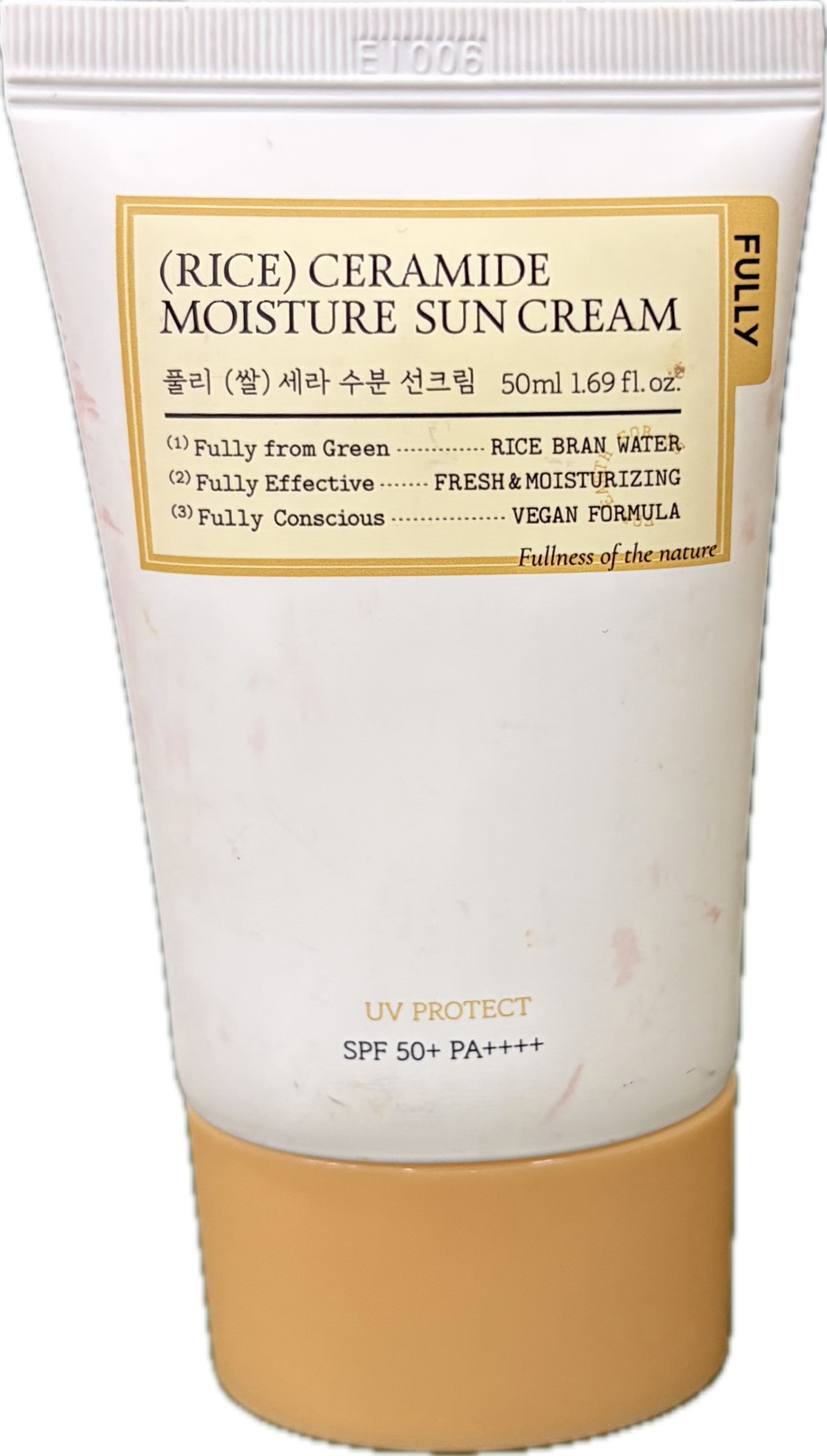
Water rinse or gentle low-pH cleanser → one multifunctional serum (niacinamide covers brightening, pore care, and barrier support in a single molecule) → SPF moisturizer. That's it. Your morning active is sunscreen.
Evening: 3 steps, 5 minutes
Oil-based cleanser (removes SPF + makeup) → one active treatment (choose your battle: retinol OR AHA, never both the same night) → moisturizer that seals everything in. The barrier rebuilds overnight — let it.
The key: multi-functional ingredients
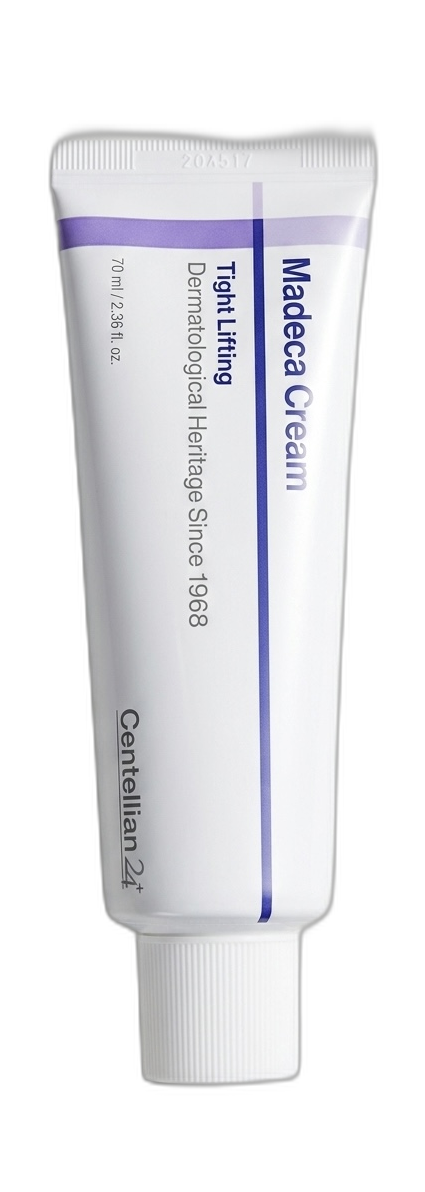
Niacinamide handles oil control + barrier repair + brightening. Centella soothes + supports barrier + provides antioxidant protection. One ingredient, three jobs. This is what smart skinimalism looks like at a molecular level.
This article is for informational purposes only. Not intended as medical or professional advice.