Molecular Insights
Does Drinking Water Actually Help Your Skin? The Science Is More Complicated Than "Stay Hydrated."
By J. Yoo
Everyone says drink more water for clear skin. A systematic review of clinical studies says the truth is more nuanced — it helps some people measurably, does almost nothing for others, and topical hydration matters more than either group admits.
June 16, 2026 · 7 min read
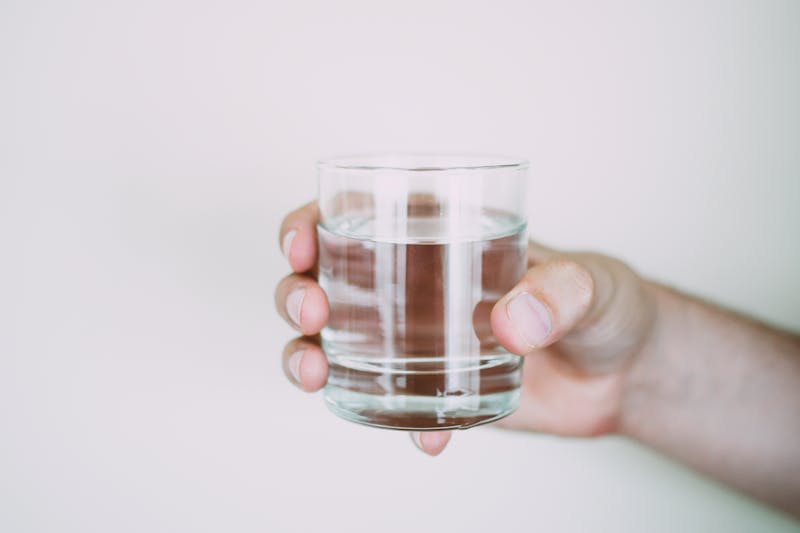
What Does the Research Actually Say About Water and Skin?
A 2018 systematic review published in Skin Research and Technology analyzed six controlled studies and found that additional water intake does increase skin hydration — but primarily in people with low baseline intake. The improvements were real but modest: slight increases in stratum corneum hydration, small reductions in clinical signs of dryness and roughness, and minor improvements in skin elasticity.
A 2024 Korean study in Annals of Dermatology went further: it directly compared water intake vs. moisturizer use in healthy women. The finding? Moisturizer improved skin barrier function significantly more than increased water intake alone. Water helped — but not as much as putting hydration directly on your skin.
- 6 studies
- Systematic review found water improves skin hydration — but only in under-hydrated individuals
- Moisturizer > water
- Korean clinical trial: topical moisturizer improved skin barrier function more than extra water intake
- ~11.5 cups
- Recommended daily water intake for women (US National Academies) — beyond this, skin benefits plateau
Why Doesn't Extra Water Automatically Mean Better Skin?
Your body is very good at regulating water distribution. When you drink water, it goes to your blood, then your organs, then your muscles — and your skin gets what's left. The skin is the last organ to benefit from increased water intake. And once your body is adequately hydrated, excess water is simply excreted by the kidneys. You can't "overhydrate" your skin from the inside by drinking more than your body needs.
What Actually Works Better Than Drinking More Water?
- Apply moisturizer to damp skin
- Humectants like hyaluronic acid and glycerin pull water into the stratum corneum — but only if water is present on the skin surface. Applying moisturizer to damp (not dry) skin is the single most effective hydration strategy.
- Seal with an occlusive
- An occlusive layer (ceramides, squalane, petrolatum) on top prevents transepidermal water loss (TEWL). Without this seal, the water your humectant pulled in evaporates right back out.
- Fix your environment
- Heated or air-conditioned rooms pull moisture from skin. A humidifier in your bedroom (40–60% humidity) does more for overnight skin hydration than an extra liter of water.
- Don't over-cleanse
- Hot water and harsh cleansers strip the lipid barrier that holds moisture in. This undoes more hydration than any amount of water intake can replace.
So How Much Water Should You Actually Drink for Skin?
The honest answer: enough to not be dehydrated. For most adults, that's roughly 8–11 cups (2–2.7 liters) per day from all sources (water, food, other beverages). If you're already in that range, drinking a fourth liter won't do anything visible to your skin. If you're chronically under-hydrated (dark urine, dry mouth, headaches), then yes — fixing that deficit will measurably improve your skin within days. The gains come from going from dehydrated to hydrated. Not from hydrated to super-hydrated.
For informational purposes only. Not intended as medical or professional advice.
Products That Hydrate Better Than an Extra Glass of Water
- Laneige Water Sleeping Mask — Overnight occlusive mask that locks hydration in while you sleep. More effective than drinking water before bed.
- COSRX Hyaluronic Acid Intensive Cream — Triple hyaluronic acid cream that pulls water into the stratum corneum. Apply to damp skin for best results.
- Soon Jung 10-Free Moist Emulsion — Lightweight emulsion for the hydrate-then-seal approach. Panthenol + madecassoside for barrier support without heaviness.
물 많이 마시면 피부가 좋아질까요? 과학은 "수분 섭취"보다 훨씬 복잡해요.
모두가 맑은 피부를 위해 물을 더 마시라고 해요. 임상 연구 체계적 리뷰는 진실이 더 미묘하다고 말해요 — 일부에게는 측정 가능하게 도움이 되고, 다른 일부에게는 거의 효과가 없고, 토피컬 보습이 양쪽 다 인정하는 것보다 더 중요해요.
물과 피부에 대해 연구가 실제로 뭐라고 할까?
Skin Research and Technology에 발표된 2018년 체계적 리뷰가 6개 대조 연구를 분석한 결과, 추가 수분 섭취가 피부 수분을 증가시킨다는 걸 확인했어요 — 하지만 주로 기존 섭취량이 적은 사람들에게요. 개선은 실제로 있었지만 완만했어요: 각질층 수분의 약간의 증가, 건조함과 거칠음의 임상 징후 소폭 감소, 피부 탄력의 미미한 개선.
2024년 Annals of Dermatology에 실린 한국 연구는 한 발 더 나갔어요: 건강한 여성에서 수분 섭취 vs. 보습제 사용을 직접 비교했어요. 결과? 보습제가 수분 섭취 증가 단독보다 피부 장벽 기능을 훨씬 더 유의하게 개선했어요. 물은 도움이 됐지만 — 피부에 직접 수분을 바르는 것만큼은 아니었어요.
- 6개 연구
- 체계적 리뷰에서 물이 피부 수분을 개선한다고 확인 — 하지만 수분 부족 개인에게만
- 보습제 > 물
- 한국 임상시험: 토피컬 보습제가 추가 수분 섭취보다 피부 장벽 기능을 더 개선
- 약 11.5컵
- 여성 일일 권장 수분 섭취량 (미국 국립학술원) — 이 이상은 피부 효과가 정체
물을 더 마신다고 자동으로 피부가 좋아지지 않는 이유는?
우리 몸은 수분 분배를 잘 조절해요. 물을 마시면 혈액으로, 그다음 장기로, 근육으로 가고 — 피부는 남은 걸 받아요. 피부는 수분 섭취 증가에서 가장 마지막으로 혜택을 받는 기관이에요. 그리고 몸이 충분히 수분을 공급받으면 초과 수분은 신장을 통해 배출돼요. 몸이 필요한 것보다 더 마셔서 피부를 "과수분"시킬 수는 없어요.
물을 더 마시는 것보다 실제로 더 효과적인 것은?
- 젖은 피부에 보습제 바르기
- 히알루론산, 글리세린 같은 보습제는 각질층으로 수분을 끌어당겨요 — 하지만 피부 표면에 물이 있을 때만. 젖은(마른 게 아닌) 피부에 보습제를 바르는 것이 가장 효과적인 수분 전략이에요.
- 밀봉제로 잠그기
- 위에 밀봉층(세라마이드, 스쿠알란, 바셀린)을 바르면 경피수분손실(TEWL)을 방지해요. 이 밀봉 없이는 보습제가 끌어들인 수분이 다시 증발해요.
- 환경 개선하기
- 난방이나 에어컨은 피부에서 수분을 빼앗아요. 침실에 가습기(습도 40~60%)를 두는 게 물 1리터 더 마시는 것보다 밤 사이 피부 수분에 더 효과적이에요.
- 과도한 세안 금지
- 뜨거운 물과 강한 클렌저는 수분을 잡아주는 지질 장벽을 벗겨요. 이건 아무리 물을 많이 마셔도 채울 수 없는 수분을 빼앗아가요.
그래서 피부를 위해 물을 얼마나 마셔야 할까?
솔직한 답: 탈수되지 않을 만큼. 대부분의 성인에게 이건 모든 원천(물, 음식, 기타 음료)에서 하루 약 8~11컵(2~2.7리터)이에요. 이미 이 범위에 있다면 1리터를 더 마셔도 피부에 눈에 보이는 변화가 없어요. 만성적으로 수분이 부족하다면(진한 소변, 입 마름, 두통), 네 — 그 부족분을 채우면 며칠 안에 피부가 측정 가능하게 개선돼요. 효과는 탈수에서 수분 충족으로 갈 때 나와요. 수분 충족에서 초과 수분으로 갈 때가 아니에요.
본 콘텐츠는 정보를 제공하기 위한 것이며, 전문적인 의료 조언을 대신하지 않습니다.
물 한 잔 더보다 수분을 더 잘 채워주는 제품
- Laneige Water Sleeping Mask — 자는 동안 수분을 잠가주는 오버나이트 밀봉 마스크. 자기 전 물 마시는 것보다 효과적.
- COSRX Hyaluronic Acid Intensive Cream — 각질층으로 수분을 끌어당기는 트리플 히알루론산 크림. 젖은 피부에 바르면 최상의 결과.
- Soon Jung 10-Free Moist Emulsion — 수분 공급 후 밀봉 접근을 위한 가벼운 에멀전. 판테놀 + 마데카소사이드로 무겁지 않은 장벽 지원.