Molecular Insights
PDRN vs PN — They're Both "Salmon DNA," but They Do Completely Different Things to Your Skin
PDRN and polynucleotides (PN) both come from salmon DNA, but they're classified differently in Korea — PDRN as a pharmaceutical, PN as a medical device. The molecular weight, mechanism, and best use case are all distinct. A 2025 review in Pharmaceutics breaks it down.
May 22, 2026 · 7 min read
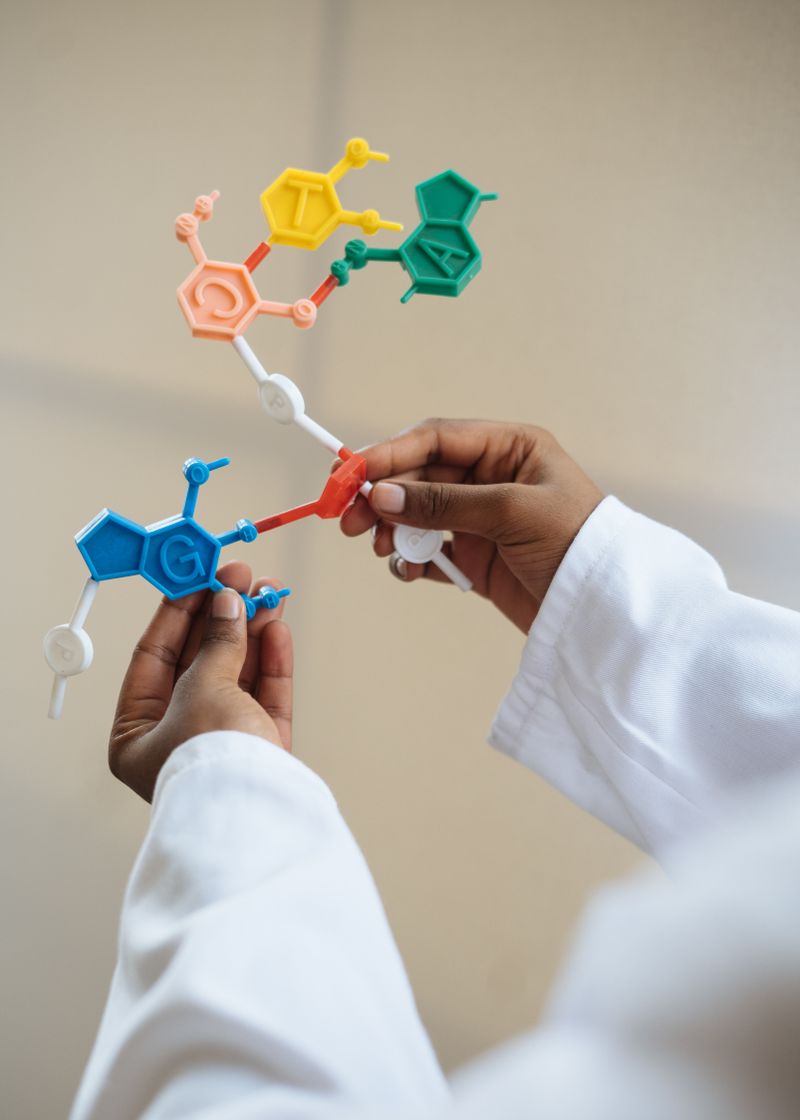
What's the actual difference between PDRN and PN?
Both PDRN and PN (polynucleotides) are chains of nucleotides extracted from salmon — specifically from Oncorhynchus mykiss (salmon trout) and Oncorhynchus keta (chum salmon). They're made from the same raw material. But the processing creates fundamentally different molecules.
- PDRN (Polydeoxyribonucleotide)
- Shorter DNA fragments. Works primarily through A2A adenosine receptor activation and the nucleotide salvage pathway. Classified as a pharmaceutical in Korea. Better suited for topical skincare due to smaller molecular size.
- PN (Polynucleotide)
- Longer DNA chains with higher molecular weight. Functions as structural scaffolding — high water retention and viscoelasticity. Classified as a medical device in Korea. Primarily used in injectable skin booster treatments.
Here's the critical point: PDRN is a type of polynucleotide, but not every polynucleotide is PDRN. Think of it like squares and rectangles — all PDRN is PN, but PN includes a broader range of molecular sizes and structures that PDRN does not.
How do PDRN and PN work differently on your skin?
A 2025 review in Pharmaceutics compared the two compounds across dermatological applications. The mechanisms are genuinely distinct:
Why does the Korean regulatory distinction matter?
This is the part most skincare content glosses over, but it's crucial for understanding what you're actually buying.
- PDRN = pharmaceutical
- In Korea, PDRN is approved as a pharmaceutical agent for specific applications. This means it has undergone drug-level regulatory review. When you see "PDRN" on a Korean skincare label, the ingredient has a pharmaceutical pedigree — even if the cosmetic product itself isn't a drug.
- PN = medical device
- PN is classified as a medical device for skin booster injections. This is why you'll see PN primarily in clinic treatments (Rejuran, PLINEST) rather than in over-the-counter serums. The larger molecular size also makes topical delivery more challenging.
The practical takeaway: PDRN is what you want in a topical serum. PN is what you get in a clinic injection. If a serum label says "polynucleotide" without specifying PDRN, ask questions — it may be marketing a broader (and less targeted) molecule.
What about c-PDRN on product labels?
You'll see "c-PDRN" on some products — notably Rejuran's topical ampoule. The "c" stands for a concentrated purification process that the manufacturer claims yields higher bioactivity than standard PDRN. Whether c-PDRN is meaningfully different from standard PDRN is a manufacturer claim, not an independently established scientific distinction. It's worth knowing about, but not worth paying a large premium for until independent comparative studies exist.
Which PDRN and PN products are worth considering?
For topical use (at home), look for PDRN. For injectable treatments (in clinic), PN is the standard.
- Medicube PDRN Pink Peptide Serum — Accessible price point with one of the highest disclosed PDRN concentrations in a topical serum. Pairs PDRN with peptides.
- Rejuran Turnover Ampoule (c-PDRN) — From the brand that pioneered the PDRN injectable. Uses their proprietary c-PDRN purification process in a topical format.
- Haruharu Wonder Rose PDRN Firming Serum — Vegan PDRN alternative derived from plant sources rather than salmon. For those who want PDRN benefits without animal-derived ingredients.
For informational purposes only. Not intended as medical or professional advice.
PDRN vs PN — 둘 다 "연어 DNA"인데, 피부에서 하는 역할은 완전히 달라요
PDRN과 폴리뉴클레오타이드(PN) 모두 연어 DNA에서 나오지만, 한국에서의 분류가 달라요 — PDRN은 의약품, PN은 의료기기. 분자량, 작용 방식, 최적 용도가 모두 다릅니다. 2025년 Pharmaceutics 리뷰가 그 차이를 정리했어요.
PDRN과 PN의 실제 차이는 뭘까요?
PDRN과 PN(폴리뉴클레오타이드) 모두 연어에서 추출한 뉴클레오타이드 사슬이에요 — 구체적으로 Oncorhynchus mykiss(송어)와 Oncorhynchus keta(연어)에서요. 같은 원료에서 만들어지지만, 가공 과정에서 근본적으로 다른 분자가 돼요.
- PDRN (폴리디옥시리보뉴클레오타이드)
- 짧은 DNA 조각. 주로 A2A 아데노신 수용체 활성화와 뉴클레오타이드 회수 경로를 통해 작용해요. 한국에서 의약품으로 분류. 작은 분자 크기 덕에 토피컬 스킨케어에 더 적합해요.
- PN (폴리뉴클레오타이드)
- 더 긴 DNA 사슬, 더 높은 분자량. 구조적 스캐폴딩으로 기능 — 높은 수분 보유력과 점탄성. 한국에서 의료기기로 분류. 주로 주사형 스킨 부스터 시술에 사용돼요.
핵심 포인트: PDRN은 폴리뉴클레오타이드의 일종이지만, 모든 폴리뉴클레오타이드가 PDRN은 아니에요. 정사각형과 직사각형의 관계처럼 — 모든 PDRN은 PN이지만, PN에는 PDRN이 포함하지 않는 더 넓은 범위의 분자 크기와 구조가 포함돼요.
PDRN과 PN이 피부에서 어떻게 다르게 작용할까요?
2025년 Pharmaceutics에 발표된 리뷰가 피부과 적용에서 두 화합물을 비교했어요. 작용 방식이 진짜로 다릅니다:
한국 규제 분류가 왜 중요할까요?
대부분의 스킨케어 콘텐츠가 넘어가는 부분이지만, 실제로 뭘 사는지 이해하는 데 핵심이에요.
- PDRN = 의약품
- 한국에서 PDRN은 특정 용도의 의약품으로 승인됐어요. 의약품 수준의 규제 심사를 거쳤다는 뜻이에요. 한국 스킨케어 라벨에 "PDRN"이 있으면, 화장품 자체는 의약품이 아니어도 성분은 의약품 혈통을 가진 거예요.
- PN = 의료기기
- PN은 스킨 부스터 주사용 의료기기로 분류돼요. 그래서 PN을 주로 클리닉 시술(리주란, 플리네스트)에서 볼 수 있고 일반 세럼에서는 잘 안 보이는 거예요. 큰 분자 크기도 토피컬 전달을 더 어렵게 만들어요.
실용적 결론: 토피컬 세럼에는 PDRN이 적합해요. 클리닉 주사에는 PN이 적합해요. 세럼 라벨에 PDRN을 명시하지 않고 "폴리뉴클레오타이드"라고만 적혀 있다면 질문하세요 — 더 넓고 덜 타깃된 분자를 마케팅하는 것일 수 있어요.
제품 라벨의 c-PDRN은 뭘까요?
일부 제품 — 특히 리주란 턴오버 앰플 — 에서 "c-PDRN"을 볼 수 있어요. "c"는 제조사가 표준 PDRN보다 높은 생물학적 활성을 낸다고 주장하는 농축 정제 공정을 뜻해요. c-PDRN이 표준 PDRN과 의미 있게 다른지는 독립적으로 확립된 과학적 구분이 아니라 제조사 주장이에요. 알아둘 가치는 있지만, 독립적 비교 연구가 나올 때까지 큰 프리미엄을 낼 필요는 없어요.
어떤 PDRN·PN 제품을 고려할 만할까요?
토피컬 사용(홈케어)에는 PDRN을, 주사 시술(클리닉)에는 PN이 표준이에요.
- Medicube PDRN Pink Peptide Serum — 접근 가능한 가격대에 토피컬 세럼 중 가장 높은 PDRN 농도를 공개한 제품 중 하나. PDRN에 펩타이드를 결합했어요.
- Rejuran Turnover Ampoule (c-PDRN) — PDRN 주사를 개척한 브랜드의 토피컬 제품. 독자적 c-PDRN 정제 공정을 앰플 형태로 담았어요.
- Haruharu Wonder Rose PDRN Firming Serum — 연어가 아닌 식물 유래 비건 PDRN 대안. 동물 유래 성분 없이 PDRN 효과를 원하는 분을 위한 제품이에요.
본 콘텐츠는 정보를 제공하기 위한 것이며, 전문적인 의료 조언을 대신하지 않습니다.