Molecular Insights
Beta-Glucan Is the Hydration Ingredient That Outperforms Hyaluronic Acid. Why Isn't It in Every Product?
Beta-glucan — a polysaccharide from mushrooms, oats, and yeast — forms a moisture-locking film that clinical studies show retains more water than hyaluronic acid. Here's why K-beauty is quietly building its next generation of hydration around it.
May 21, 2026 · 7 min read
What is beta-glucan, and why is skincare obsessed with it?
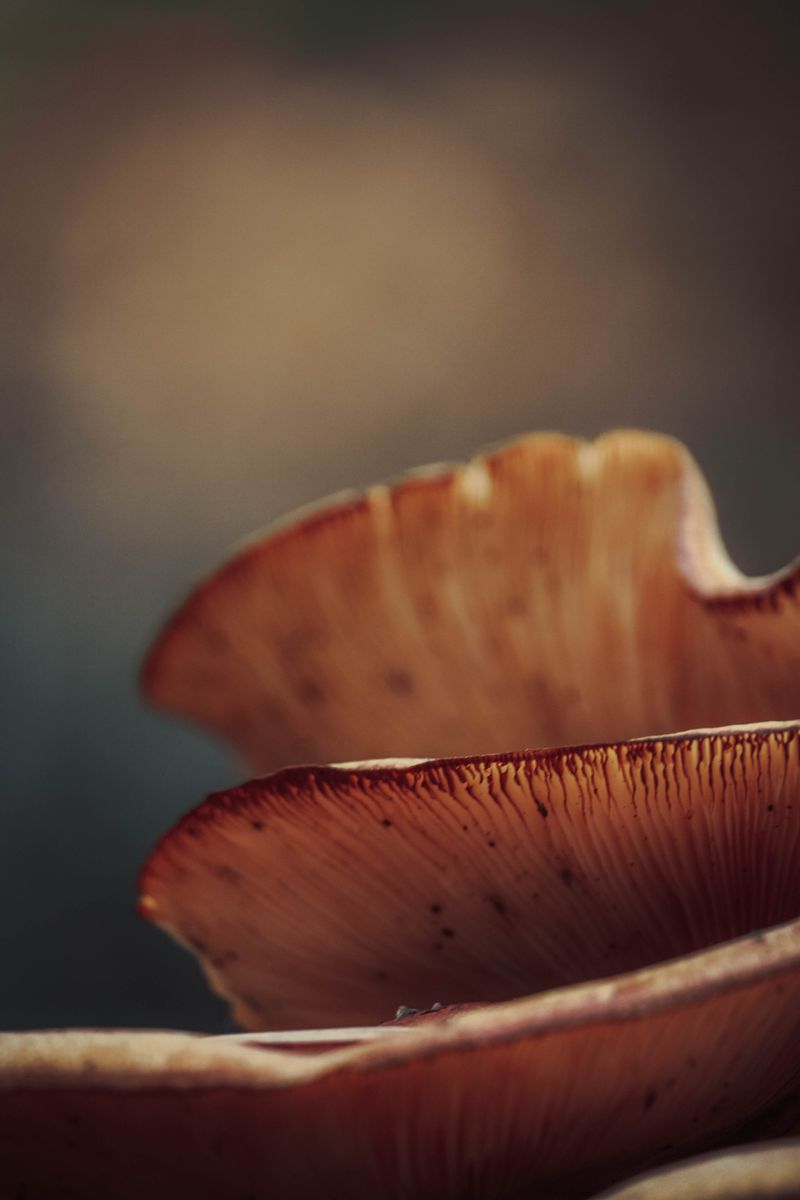
Beta-glucan is a polysaccharide — a long chain of glucose molecules — found in the cell walls of mushrooms, oats, barley, and yeast. Unlike most hydrating ingredients that simply sit on the surface, beta-glucan's multi-helix molecular structure lets it form a dense moisture-retaining film through hydrogen bonding between its polar groups. Think of it as a breathable seal: water gets locked in, but your skin can still function normally underneath.
But here's what makes it genuinely interesting: not all beta-glucans are the same. The source determines the molecular structure, and the structure determines what it does on your skin.
- Mushroom-derived
- β-1,3/1,6 linkage. The type most used in K-beauty serums. Forms a lightweight, breathable film.
- Oat-derived
- β-1,3/1,4 linkage. Higher molecular weight with strong barrier-support properties. Often used in sensitive-skin formulations.
- Yeast-derived
- β-1,3/1,6 linkage. Low molecular weight versions show strong antioxidant properties in research.
Is beta-glucan actually better than hyaluronic acid for hydration?
This is the question everyone wants answered, and the honest answer is: it depends on what you mean by "better." They work differently. Hyaluronic acid is a humectant — it pulls water from the environment and the deeper layers of your skin toward the surface. Beta-glucan is a film-former — it creates a physical barrier that prevents water from leaving.
But this isn't an either/or situation. The smartest formulations use both: hyaluronic acid to attract water, then beta-glucan to lock it in. That's the pull-then-seal approach, and it's why you're starting to see both ingredients on the same label.
What else does beta-glucan do beyond hydration?
This is where beta-glucan starts to separate itself from the pack. It's not just a moisture ingredient — research suggests it supports the skin barrier at a structural level.
- Barrier protein support
- Oat-derived beta-glucan has been shown to increase filaggrin and loricrin expression — two proteins essential for the skin's outermost protective layer. If your barrier feels compromised, this is the structural support it's missing.
- Antioxidant activity
- High-molecular-weight oat beta-glucan shows strong free radical scavenging capacity in DPPH assays. Yeast-derived versions also demonstrate antioxidant properties, particularly at lower molecular weights.
- Soothing for sensitive skin
- Multiple studies have examined beta-glucan's effects on sensitive and irritation-prone skin. It's considered one of the gentlest actives available — no known ingredient conflicts, compatible with retinol, vitamin C, and acids.
How do you choose the right beta-glucan product?
Not every product listing "beta-glucan" on the label is giving you the same thing. Here's what to look for:
Check the source. Mushroom-derived (often listed as "mushroom extract" or "Schizophyllum Commune") is the most common in K-beauty. Oat-derived ("Avena Sativa") is better studied for barrier support. Yeast-derived ("Saccharomyces") is the original and often found in ferment-based products.
Check the position on the ingredient list. Beta-glucan should appear in the top third. If it's buried at the bottom, you're getting a token amount.
Check what it's paired with. The best formulations pair beta-glucan with a humectant (hyaluronic acid, glycerin) for the pull-and-seal effect. A beta-glucan serum without a humectant partner is only doing half the job.
Which beta-glucan products are worth trying?
These products feature beta-glucan as a core ingredient — not a token addition at the bottom of the list.
- iUNIK Beta-Glucan Power Moisture Serum — Mushroom-derived beta-glucan serum with peptides. Lightweight gel texture that layers well under moisturizer.
- iUNIK Beta-Glucan Daily Moisture Cream — Pairs mushroom beta-glucan with Centella Asiatica. A lightweight daily moisturizer designed for dry and sensitive skin types.
- PURITO Oat-In Calming Gel Cream — Oat-derived beta-glucan for barrier support in a gel cream format. Fragrance-free, popular with sensitive skin communities.
- mixsoon Galactomyces Ferment Essence — A yeast-ferment essence with naturally occurring beta-glucan. Works as a hydrating prep step before serums.
For informational purposes only. Not intended as medical or professional advice.
히알루론산보다 보습력이 높은 성분이 있어요. 베타글루칸, 왜 아직 모르세요?
버섯, 귀리, 효모에서 추출하는 다당류 베타글루칸. 수분 보유력이 히알루론산보다 높다는 연구 결과가 있어요. K-뷰티가 차세대 보습 성분으로 주목하는 이유를 알려드릴게요.
베타글루칸이 뭐고, 왜 스킨케어 업계가 주목할까요?
베타글루칸은 버섯, 귀리, 보리, 효모의 세포벽에서 발견되는 다당류예요 — 포도당 분자가 길게 연결된 구조죠. 대부분의 보습 성분이 피부 표면에 머무는 것과 달리, 베타글루칸의 다중 나선 분자 구조는 극성 그룹 사이의 수소 결합을 통해 촘촘한 수분 보호막을 형성해요. 숨 쉬는 밀봉재라고 생각하면 돼요. 수분은 잡아두되, 피부는 정상적으로 기능할 수 있어요.
정말 흥미로운 점은 모든 베타글루칸이 같지 않다는 거예요. 원료에 따라 분자 구조가 달라지고, 구조에 따라 피부에서 하는 역할이 바뀌어요.
- 버섯 유래
- β-1,3/1,6 결합. K-뷰티 세럼에 가장 많이 사용돼요. 가볍고 숨 쉬는 필름을 형성해요.
- 귀리 유래
- β-1,3/1,4 결합. 고분자량으로 장벽 지원 효과가 강해요. 민감 피부 제형에 자주 사용돼요.
- 효모 유래
- β-1,3/1,6 결합. 저분자량 버전이 연구에서 강한 항산화 특성을 보여요.
베타글루칸이 히알루론산보다 보습에 정말 더 나을까요?
모두가 궁금해하는 질문이고, 솔직한 답은 "더 낫다"의 기준에 따라 달라요. 두 성분은 작동 방식이 달라요. 히알루론산은 습윤제로 — 환경과 피부 깊은 곳에서 수분을 표면으로 끌어당겨요. 베타글루칸은 필름 형성제로 — 수분이 빠져나가지 못하게 물리적 장벽을 만들어요.
하지만 둘 중 하나만 고르는 문제가 아니에요. 똑똑한 제형은 둘 다 써요: 히알루론산으로 수분을 끌어오고, 베타글루칸으로 잠가두는 거죠. 끌어온 다음 밀봉하는 전략이에요. 같은 제품 라벨에 두 성분이 함께 적힌 걸 점점 더 많이 보게 될 거예요.
보습 외에 베타글루칸이 하는 일이 또 있을까요?
여기서 베타글루칸이 다른 보습 성분과 차별화돼요. 단순 수분 성분이 아니라, 피부 장벽을 구조적으로 지원한다는 연구 결과가 있어요.
- 장벽 단백질 지원
- 귀리 유래 베타글루칸은 필라그린과 로리크린 발현을 증가시키는 것으로 나타났어요 — 피부 최외각 보호층에 필수적인 단백질 두 가지예요. 장벽이 약해진 느낌이라면, 바로 이 구조적 지원이 부족한 거예요.
- 항산화 활성
- 고분자량 귀리 베타글루칸은 DPPH 분석에서 강한 자유라디칼 소거 능력을 보여요. 효모 유래 버전도 특히 저분자량에서 항산화 특성을 나타내요.
- 민감한 피부 진정
- 여러 연구에서 민감하고 자극받기 쉬운 피부에 대한 베타글루칸의 효과를 살펴봤어요. 가장 순한 활성 성분 중 하나로 여겨지며, 레티놀, 비타민 C, 산성 성분과도 충돌 없이 사용 가능해요.
베타글루칸 제품, 어떻게 고르면 될까요?
라벨에 "베타글루칸"이라고 적힌 모든 제품이 같은 건 아니에요. 확인할 포인트를 알려드릴게요:
원료를 확인하세요. 버섯 유래(성분표에 "버섯 추출물" 또는 "스키조필룸 코뮨")가 K-뷰티에서 가장 흔해요. 귀리 유래("아베나 사티바")는 장벽 지원 연구가 더 많아요. 효모 유래("사카로미세스")는 원조로, 발효 기반 제품에 자주 들어가요.
성분 목록 위치를 확인하세요. 베타글루칸이 상위 1/3에 있어야 해요. 맨 아래에 있다면 극소량만 들어간 거예요.
함께 배합된 성분을 확인하세요. 좋은 제형은 베타글루칸에 습윤제(히알루론산, 글리세린)를 함께 넣어 끌어오고-밀봉하는 효과를 만들어요. 습윤제 파트너 없는 베타글루칸 세럼은 절반의 역할만 하는 거예요.
어떤 베타글루칸 제품을 써볼 만할까요?
이 제품들은 베타글루칸을 핵심 성분으로 사용해요 — 성분 목록 끝에 이름만 올린 게 아니에요.
- iUNIK Beta-Glucan Power Moisture Serum — 버섯 유래 베타글루칸 세럼에 펩타이드를 더했어요. 가벼운 젤 텍스처로 보습제 아래 레이어링하기 좋아요.
- iUNIK Beta-Glucan Daily Moisture Cream — 버섯 베타글루칸에 센텔라 아시아티카를 조합했어요. 건조하고 민감한 피부를 위한 가벼운 데일리 보습 크림이에요.
- PURITO Oat-In Calming Gel Cream — 귀리 유래 베타글루칸으로 장벽을 도와주는 젤 크림. 무향료로 민감 피부 커뮤니티에서 인기 있어요.
- mixsoon Galactomyces Ferment Essence — 자연 발생 베타글루칸이 포함된 효모 발효 에센스. 세럼 전 수분 프렙 단계로 사용하기 좋아요.
본 콘텐츠는 정보를 제공하기 위한 것이며, 전문적인 의료 조언을 대신하지 않습니다.