Concreted, Borntostandout, ELOREA — The Korean Indie Fragrance Brands Rewriting the Rules of Perfumery
🧴 Summary: Korean fragrance is splitting into two lanes: the accessible skin scent world (Tamburins, Nonfiction) and a new wave of experimental indie houses (Borntostandout, Concreted, ELOREA, Granhand) that are pushing into territory European niche brands have owned for decades.
What makes Korean indie fragrance different from K-fragrance as we know it?
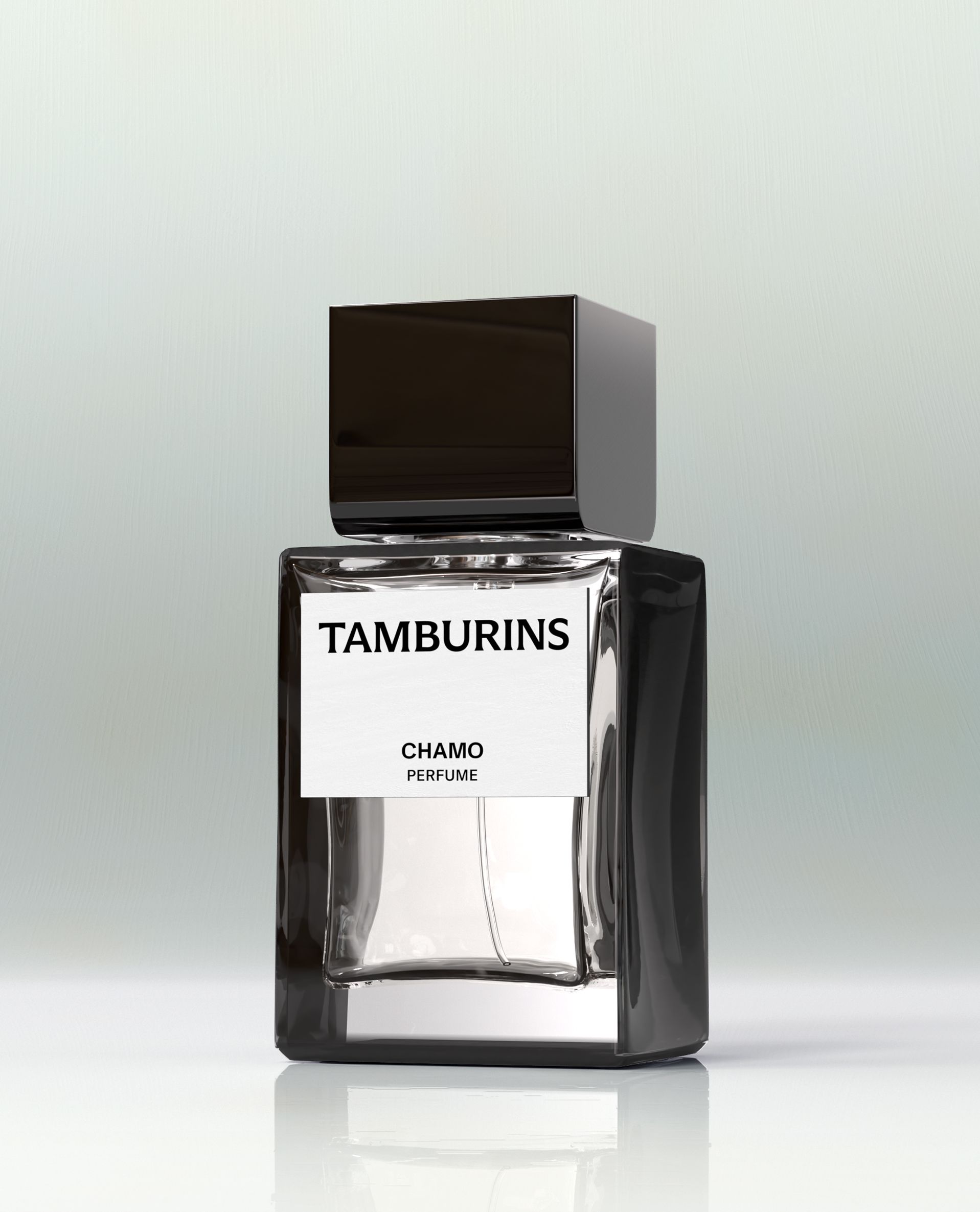
K-fragrance became famous for a specific thing: sheer, close-to-skin musky scents. Tamburins and Nonfiction built a global audience on this identity — clean, inoffensive, personal. ana2me has covered this in our K-Fragrance molecular analysis.
But a newer generation is doing something different. These brands aren't trying to smell like clean skin — they're trying to smell like ideas. Black sesame and vetiver. Traditional Korean inkstick and citrus. Brandy and cinnamon bark. The compositions are bolder, weirder, and more polarizing — exactly the territory that European niche houses like Byredo, Le Labo, and Comme des Garçons have owned.
Which Korean indie fragrance brands should you know?
Borntostandout
Launched in 2022, now distributed in 60+ countries. Recently secured Series A funding led by Touch Capital with participation from L'Oréal's BOLD fund — the first Korean niche fragrance brand to receive L'Oréal investment. Signature style: daring, provocative compositions like red berry-brandy-cinnamon bark and champagne-ambrette-tonka.
Concreted
A contemporary scent studio that launched in 2024 and already has a cult following. Leans experimental: black sesame paired with vetiver and musk, traditional inkstick accords with sparkling citrus. Deeply nostalgic Korean references rendered through a modern olfactory lens.
ELOREA
Founded in New York by Su Min Park and Wonny Lee. The name is a portmanteau of "Elements" and "Korea." Two collections — Forgotten Words and Elements — draw from Korean nature, memory, and craft. Each fragrance tells a story rooted in Korean cultural identity rather than European tradition.
Granhand
A Seoul favorite with distinctly literary fragrance names — Susie Salmon ("a midday nap after eating sweet fruits"), Lumberjack ("a sip of whiskey in front of the fireplace"). The naming convention is the brand: each scent is a scene, not a note list. Accessible pricing keeps it within reach.
Why is L'Oréal investing in a Korean niche fragrance brand?
L'Oréal's BOLD fund participating in Borntostandout's Series A isn't charity — it's a signal. Korean fragrance exports hit record highs, and the playbook that made K-beauty a global phenomenon (cultural identity + high quality + accessible price points) is now being applied to fragrance.
The market shift
European niche fragrance has dominated the premium scent market for decades. But Korean brands are offering the same level of creative ambition at significantly lower price points — a 50ml Borntostandout fragrance costs a fraction of an equivalent Byredo or Le Labo. For Gen Z and millennial consumers who want distinctive scents without the luxury markup, Korean indie fragrance is increasingly the answer.
How is Korean indie fragrance different from European niche?
Three key differences separate the Korean wave from the European establishment:
Cultural source material
European niche draws from Western art, luxury, and lifestyle references. Korean indie brands draw from Korean memory — temple incense, sesame oil, hanji paper, monsoon rain. The olfactory vocabulary is genuinely new.
Retail as experience
Korean fragrance brands invest heavily in physical spaces. Borntostandout and Granhand stores in Seoul are destinations — gallery-like spaces designed for exploration, not just purchase.
Price accessibility
Most Korean indie fragrances sit between ₩50,000-150,000 ($35-110). That's the sweet spot between mass-market body mists and ₩300,000+ European niche — making experimental scents accessible to a wider audience.
This article is for informational purposes only. Not intended as medical or professional advice.