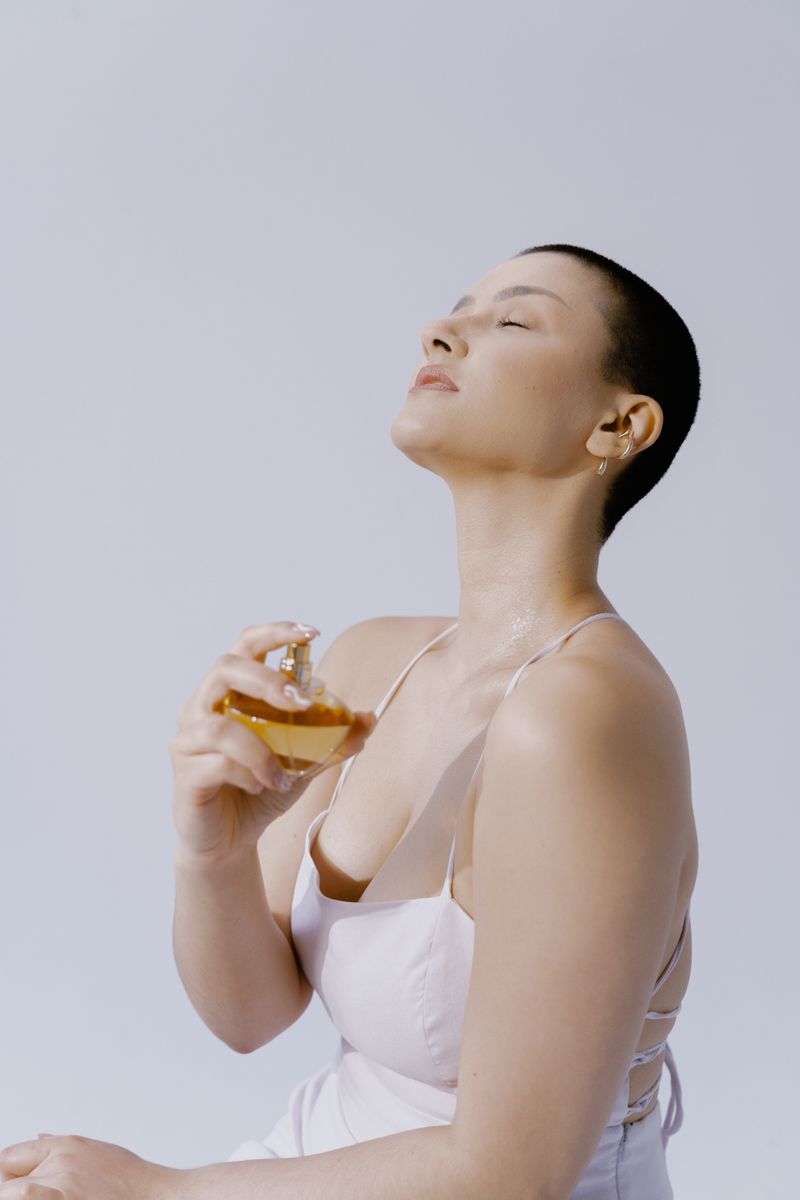
Fragrance Layering Is the New Skincare Routine. Here's the Science of Why Two Scents Together Smell Better Than One.
🧠 Summary: Fragrance layering works because volatile compounds from different perfumes interact chemically on your skin, creating synergistic scent molecules. Your skin’s pH, oils, and warmth act as a unique reaction surface — which is why the same combo smells different on everyone.
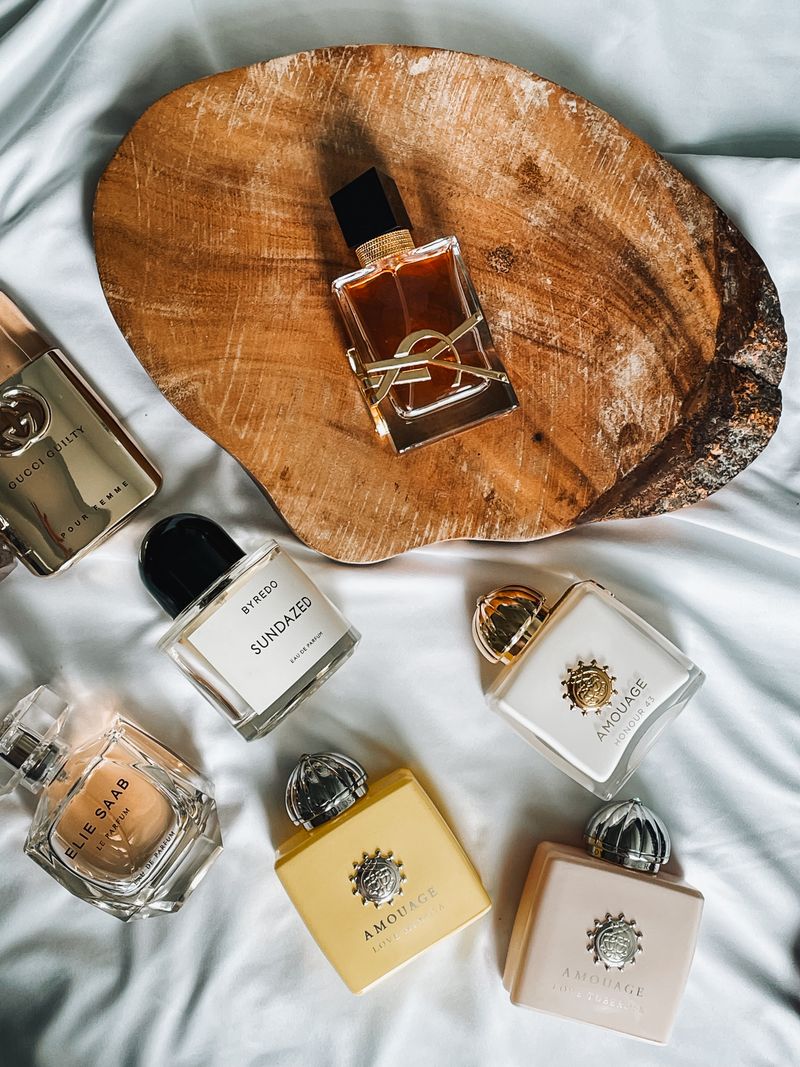
What Actually Happens When You Layer Two Fragrances?
It’s not just two smells sitting on top of each other. When two fragrances land on warm skin, their volatile aromatic compounds begin evaporating at different rates. As they evaporate, they interact in the air above your skin, forming new molecular combinations that your olfactory receptors read as a unified, novel scent. This is called synergistic interaction — the combined scent is genuinely different from either fragrance alone.
Your skin plays a crucial role. Its pH (typically 4.5-5.5), natural oils, and temperature all affect which compounds evaporate first and how they interact. This is why the same layering combo smells different on different people — your skin is a unique reaction surface.
What Are the Rules of Fragrance Layering?
Heavy first, light on top
Apply the heavier base-note fragrance first (oud, vanilla, amber), let it dry 30 seconds, then layer a lighter scent on top (citrus, green tea, aquatic). The heavier scent anchors while the lighter one projects.
Same family or complementary
Safe combos: warm + warm (oriental + gourmand), fresh + fresh (citrus + aquatic). Interesting combos: warm + fresh contrast (vanilla + bergamot). Risky: two heavy scents competing for attention.
Pulse points strategy
Put your deeper base on lower points (chest, elbows) and the fresher scent on upper points (collarbones, wrists, hair). As you move, the lighter notes project first while the base reveals itself over time.
Moisturize first
Hydrated skin holds fragrance longer. Apply an unscented moisturizer before layering. Dry skin causes faster evaporation and shorter longevity for both layers.
This article is for informational purposes only. Not intended as medical or professional advice.