Decode
Do K-Beauty Patches Actually Work? Microneedle, Dissolving, and Hydrocolloid — Explained.
Korea turned a hospital wound dressing into a $30 skincare ritual. Here's the material science behind hydrocolloid, dissolving microneedle, and microdart patches — and which type matches which skin concern.
June 10, 2026 · 7 min read
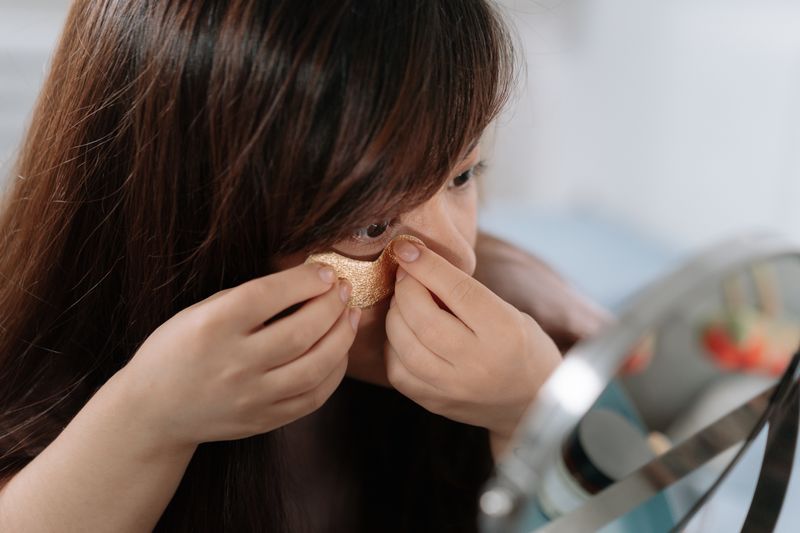
How Does a Hydrocolloid Pimple Patch Actually Work?
The pimple patch you peel off with a satisfying white dot? That's hydrocolloid — a material borrowed directly from hospital wound dressings. The inner layer is typically carboxymethylcellulose (CMC), a gel-forming polymer with water-binding chemical groups. When CMC contacts moisture — the fluid inside a whitehead — it swells and converts that fluid into a trapped gel. The tough polyurethane outer layer seals the area, blocking air and bacteria while preventing the moisture from evaporating.
This does three things at once. It pulls inflammatory fluid out of the pore, reducing swelling and pain. It maintains a moist environment so skin cells can migrate and close the area more efficiently. And it physically prevents you from touching or picking — which, honestly, might be the biggest benefit of all.
What Are Dissolving Microneedle Patches — and How Deep Do They Go?
This is where Korean patch technology gets genuinely interesting. Dissolving microneedle patches carry an array of microscopic cones — typically 260–500 µm tall, about a quarter the thickness of a human hair — made from hyaluronic acid or other biocompatible polymers. When you press the patch onto skin, the microcones physically cross the stratum corneum (the outermost dead-cell layer that blocks most topicals) and dissolve over 1–4 hours, releasing their payload directly below the barrier.
- 260–500 µm
- Typical microneedle height — just enough to cross the dead-cell layer without reaching nerve endings
- 80%+
- Active ingredient delivery rate reported by dissolving microneedle brands like NEEDLY
- 15.3%
- Wrinkle improvement in a Korean clinical trial after 29 days of weekly microneedle patch use
A double-blind Korean clinical trial published in Annals of Dermatology tested cross-linked hyaluronic acid microneedle patches on 50 subjects. After four weekly applications of just 4 hours each, the group using microneedles with acetyl hexapeptide-8 saw a 14.6% improvement in periorbital wrinkles and a 13% improvement in skin hydration. No serious adverse effects were reported.
Hydrocolloid vs. Microneedle: Which Patch Should You Use When?
- 🟡 Hydrocolloid
- Best for: Whiteheads that have surfaced, post-extraction spots, picked-at blemishes. How it works: Absorbs fluid, seals area, prevents touching. Wear time: 6–12 hours. Price: ₩200–500 per patch.
- 🔵 Dissolving Microneedle
- Best for: Blind/deep blemishes, early-stage bumps, fine lines, dark spots. How it works: Microcones cross the stratum corneum and dissolve, delivering actives beneath the barrier. Wear time: 2–4 hours. Price: ₩1,500–4,000 per patch.
The mistake most people make is using a hydrocolloid patch on a deep, blind pimple and wondering why nothing happened. A flat hydrocolloid disc can't reach what's trapped below the barrier. That's exactly the job dissolving microneedles were designed for — they physically bypass the layer that blocks everything else.
Are There Risks to Using Microneedle Patches at Home?
The dissolving format is key to safety. Unlike metal dermarollers that create open channels and carry re-use contamination risks, dissolving microcones are single-use and fully absorbed — nothing stays in the skin and nothing gets re-used. Clinical trials consistently report no serious adverse effects. Most users feel a brief tingling for the first 10–15 minutes as the cones settle, which fades as they dissolve.
Which Korean Patches Are Worth Trying?
- COSRX Acne Pimple Master Patch — The OG hydrocolloid. Three sizes in one sheet, thin enough to wear under makeup. Best for surfaced whiteheads.
- Acropass Trouble Cure Patch — Dissolving microneedle patch with hyaluronic acid and niacinamide microcones. Designed for deep, blind blemishes that hydrocolloid can't reach.
- NEEDLY Microneedle Spot Patch — Korean dissolving microneedle brand reporting 80%+ active delivery rate. Targets early-stage bumps and dark spots.
- Olive Young Care Plus Spot Patch (Calming) — Olive Young's house brand hydrocolloid, thin and nearly invisible. The green Calming version targets early-stage blemishes.
For informational purposes only. Not intended as medical or professional advice.
한국 패치 정말 효과 있을까? 마이크로니들, 용해형, 하이드로콜로이드 — 전부 해부해 봤어요.
병원용 창상 피복재가 3만 원짜리 뷰티 루틴이 된 이유. 하이드로콜로이드, 용해형 마이크로니들, 마이크로다트 패치의 소재 과학 — 피부 고민별 정답 패치까지 정리했어요.
하이드로콜로이드 패치는 실제로 어떻게 작동할까?
떼어냈을 때 하얀 점이 보이는 그 패치? 하이드로콜로이드예요 — 병원 창상 피복재에서 직접 가져온 소재죠. 안쪽 층은 보통 카복시메틸셀룰로오스(CMC)라는 젤 형성 고분자로 되어 있어요. 수분과 결합하는 화학 구조를 갖고 있어서 화이트헤드 속 삼출물과 만나면 부풀면서 젤 상태로 가둬요. 바깥층은 폴리우레탄으로 밀봉해서 공기와 세균을 차단하고 수분 증발도 막아줘요.
이 과정이 동시에 세 가지를 해줘요. 모공에서 염증성 체액을 빨아들여 붓기와 통증을 줄이고, 습윤 환경을 유지해서 피부 세포가 더 효율적으로 이동하며 해당 부위를 정리하게 돕고, 물리적으로 손이 가는 걸 막아줘요 — 솔직히 이게 제일 큰 효과일 수도 있어요.
용해형 마이크로니들 패치는 뭐고 — 얼마나 깊이 들어갈까?
여기서부터 한국 패치 기술이 진짜 흥미로워져요. 용해형 마이크로니들 패치에는 미세한 원뿔 배열이 있어요 — 보통 높이 260~500µm, 머리카락 두께의 약 4분의 1 정도예요. 히알루론산이나 생체 적합성 고분자로 만들어졌고요. 패치를 피부에 누르면 미세 원뿔이 각질층(대부분의 토피컬 성분을 막는 가장 바깥 죽은 세포층)을 물리적으로 통과한 뒤 1~4시간에 걸쳐 녹으면서 활성 성분을 장벽 아래에 직접 전달해요.
- 260~500µm
- 일반적인 마이크로니들 높이 — 신경 말단에 닿지 않으면서 각질층만 통과할 만큼
- 80% 이상
- NEEDLY 같은 용해형 마이크로니들 브랜드가 보고한 활성 성분 전달률
- 15.3%
- 주 1회 마이크로니들 패치를 29일간 사용한 한국 임상시험에서의 주름 개선율
Annals of Dermatology에 발표된 한국 이중맹검 임상시험에서 가교 히알루론산 마이크로니들 패치를 50명에게 테스트했어요. 주 1회, 4시간씩 4주간 적용한 결과 아세틸 헥사펩타이드-8이 포함된 그룹은 눈가 주름 14.6% 개선, 피부 수분도 13% 개선을 보였고 심각한 부작용은 보고되지 않았어요.
하이드로콜로이드 vs. 마이크로니들: 언제 어떤 패치를 써야 할까?
- 🟡 하이드로콜로이드
- 추천: 표면에 올라온 화이트헤드, 압출 후, 손이 간 트러블. 원리: 체액 흡수, 밀봉, 손 차단. 착용 시간: 6~12시간. 가격: 패치당 200~500원.
- 🔵 용해형 마이크로니들
- 추천: 맹트러블, 초기 범프, 잔주름, 색소 침착. 원리: 미세 원뿔이 각질층을 통과 후 녹으며 활성 성분을 장벽 아래로 전달. 착용 시간: 2~4시간. 가격: 패치당 1,500~4,000원.
가장 많이 하는 실수는 깊은 맹트러블에 하이드로콜로이드 패치를 붙이고 왜 안 되지 하는 거예요. 평면 하이드로콜로이드 디스크는 장벽 아래에 갇힌 것까지 닿을 수 없어요. 그게 바로 용해형 마이크로니들이 설계된 이유 — 다른 모든 것을 막는 그 층을 물리적으로 우회하거든요.
마이크로니들 패치를 집에서 쓰면 위험하지 않을까?
용해형이라는 점이 안전성의 핵심이에요. 개방된 채널을 만들고 재사용 오염 위험이 있는 금속 더마롤러와 달리 용해형 미세 원뿔은 일회용이고 완전히 흡수돼요 — 피부에 남는 것도 없고 재사용되는 것도 없어요. 임상시험에서 심각한 부작용은 일관되게 보고되지 않았어요. 대부분 처음 10~15분간 미세한 따끔거림을 느끼지만 녹으면서 사라져요.
어떤 한국 패치가 써볼 만할까?
- COSRX Acne Pimple Master Patch — 하이드로콜로이드 원조. 한 시트에 세 가지 사이즈, 메이크업 아래 착용 가능할 만큼 얇아요. 표면에 올라온 화이트헤드에 추천.
- Acropass Trouble Cure Patch — 히알루론산과 나이아신아마이드 미세 원뿔이 들어간 용해형 마이크로니들 패치. 하이드로콜로이드가 닿지 못하는 깊은 맹트러블용.
- NEEDLY Microneedle Spot Patch — 80% 이상의 활성 성분 전달률을 보고한 한국 용해형 마이크로니들 브랜드. 초기 범프와 색소 침착 타겟.
- Olive Young Care Plus Spot Patch (Calming) — 올리브영 자체 브랜드 하이드로콜로이드, 얇고 거의 안 보여요. 녹색 카밍 버전은 초기 트러블 타겟.
본 콘텐츠는 정보를 제공하기 위한 것이며, 전문적인 의료 조언을 대신하지 않습니다.