Decode

The $5 Serum vs the $50 Serum — When Does Price Actually Matter in Skincare?

Dermatologists say ingredients matter more than price tags. But that's not the whole story. Here's where cheap genuinely equals good — and the three specific cases where spending more actually changes what your skin gets.

June 3, 2026 · 8 min read

TL;DR — For most basic actives (niacinamide, hyaluronic acid, AHAs), affordable products work as well as luxury ones. Price starts mattering when you need unstable ingredients (retinoids, vitamin C, growth factors), advanced delivery systems, or higher concentrations of expensive raw materials like peptides.

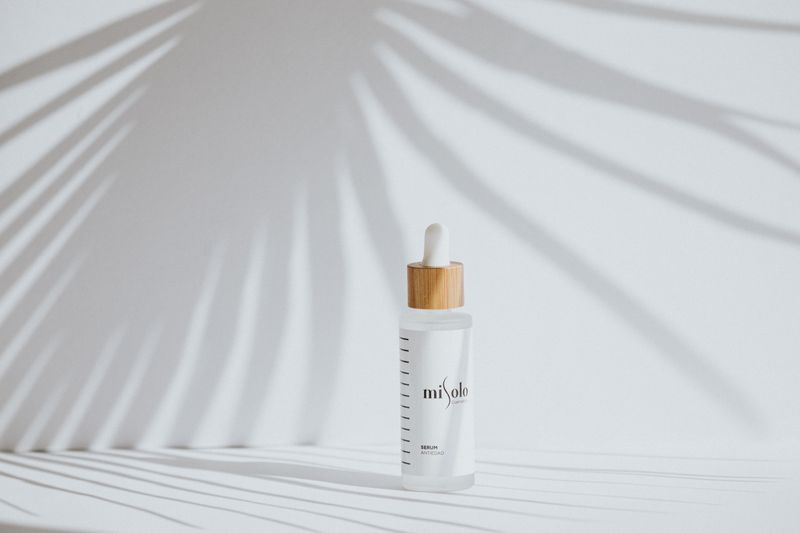
Minimalist skincare serum bottles on a clean surface
Minimalist skincare serum bottles on a clean surface · Pexels

Do Expensive Skincare Products Actually Work Better?

The short answer from dermatologists: usually no. A UCSF dermatologist put it plainly — "you want to pay attention to the active ingredients, not the price tag." A study in the Journal of Cosmetic Dermatology found no significant difference in hydration or barrier support between top-rated drugstore and luxury moisturizers when matched for key ingredients.

This makes intuitive sense. Niacinamide is niacinamide whether it's in a

2 bottle from The Ordinary or a $90 jar from a luxury brand. Glycerin, ceramides, hyaluronic acid — these are commodity ingredients available to any manufacturer. Many drugstore brands are even produced in the same factories as luxury lines, by the same parent companies.
Where the Money Actually Goes

A typical luxury skincare product has a 60% gross margin (prestige) vs. 30-40% (mass market). The difference rarely goes to ingredients. It goes to packaging, fragrance, marketing, retail margins, and brand positioning. That

80 cream may contain $8 worth of raw materials — the same $8 as the $25 version from a different brand.

When Does Spending More Actually Change What Your Skin Gets?

Here's where the "price doesn't matter" narrative gets incomplete. There are three specific scenarios where the economics of skincare actually shift:

Unstable Ingredients Need Better Formulation

Retinoids, L-ascorbic acid (vitamin C), and growth factors like EGF are inherently unstable. They degrade with heat, light, oxygen, and pH shifts. A cheap vitamin C serum that's already oxidized does nothing — and may actually irritate. Better formulations use airless packaging, pH-optimized bases, stabilizing derivatives, and encapsulation technology. These cost more to produce. For these specific actives, a $30 serum in an airless pump may genuinely outperform a

0 serum in a clear dropper bottle.

Delivery Systems Are Expensive to Engineer

Having the right ingredient isn't enough if it can't reach the right layer of skin. Liposomal encapsulation, nano-delivery vehicles, and controlled-release systems genuinely improve how much active ingredient penetrates the stratum corneum. Over 40% of new K-beauty launches in 2026 use some form of advanced delivery. A 10% niacinamide serum with no delivery vehicle may perform worse than a 5% niacinamide in liposomes — concentration isn't everything.

Some Raw Materials Are Just Expensive

Peptides, growth factors, and certain botanical extracts have high raw material costs. A meaningful concentration of palmitoyl pentapeptide-4 costs significantly more than the same weight of glycerin. If a product claims premium peptides at a bargain price, either the concentration is negligible or the ingredient isn't what it claims. For these materials, a higher price can reflect genuinely higher ingredient investment.

Where Can You Save Without Sacrificing Results?

Cleansers
A cleanser sits on your skin for 30 seconds then gets rinsed off. Premium ingredients have no time to work. A gentle, pH-balanced cleanser at any price point does the job.
Basic moisturizers
Humectants + emollients + occlusives. These are commodity ingredients. A
5 ceramide cream performs comparably to a $90 one when the formula is well-balanced.
Niacinamide
Stable, water-soluble, effective at 4-5%. Doesn't need fancy delivery systems or packaging. One of the few actives where The Ordinary's pricing genuinely reflects the ingredient cost.
AHA/BHA exfoliants
Glycolic acid and salicylic acid are well-understood, stable, and inexpensive to formulate. The key variable is pH and concentration, not brand prestige.

Why Does K-Beauty Offer a Better Price-to-Performance Ratio?

Korean skincare's reputation for value isn't accidental. The Korean market is intensely competitive — over 10,000 beauty brands compete in a country of 52 million people. This forces brands to compete on formula quality rather than marketing spend. Add lower marketing overhead (word-of-mouth via Hwahae app rankings vs. expensive celebrity campaigns), more efficient supply chains, and a consumer base that reads ingredient lists, and you get premium formulations at mid-range prices.

This is why a Korean brand can offer a well-formulated peptide serum for $20 that would cost $80 from a Western luxury brand — not because the Korean version is worse, but because the Western version is carrying a heavier markup for non-formula costs.

For informational purposes only. Not intended as medical or professional advice.

Sources

  1. Beauty World News — Does Price Equal Performance? The Truth About Expensive vs Drugstore Skincare, 2026
  2. PMC — Price Analysis of Over-the-Counter Retinol Products, 2025
  3. Skin Type Solutions — Are Skincare Products Worth the Price?
  4. Derm for Primary Care — Price Perception and the Psychology of Skincare, 2026
  5. Hwahae — K-Beauty Dupes for Luxury Skincare: 9 Products That Rival
    00+ Serums, 2026

What's a Smart Skincare Budget?

Based on the science, here's a practical framework: save on the basics (cleanser, moisturizer, simple actives like niacinamide and HA) and invest selectively on the three scenarios above — unstable actives, delivery-dependent formulas, and genuinely expensive raw materials. A $50/month routine built this way will outperform a $200/month routine of luxury basics.

5천 원 세럼 vs 5만 원 세럼 — 스킨케어에서 가격이 진짜 중요한 순간

피부과 전문의들은 가격표보다 성분이 중요하다고 해요. 하지만 그게 전부는 아니에요. 저렴해도 진짜 좋은 경우와, 더 쓰면 피부가 실제로 다른 걸 받는 세 가지 구체적인 경우를 정리했어요.

요약 — 대부분의 기본 활성 성분(나이아신아마이드, 히알루론산, AHA)은 저렴한 제품이 고가 제품만큼 효과적이에요. 불안정한 성분(레티노이드, 비타민C, 성장인자), 고급 전달 시스템, 또는 펩타이드 같은 비싼 원료의 고농도가 필요할 때 가격이 의미를 가져요.

Minimalist skincare serum bottles on a clean surface
Minimalist skincare serum bottles on a clean surface · Pexels

비싼 스킨케어 제품이 실제로 더 잘 작동할까?

피부과 전문의들의 짧은 대답: 대부분 아니에요. UCSF 피부과 전문의의 직설적 답변 — "가격표가 아니라 활성 성분에 주목하세요." Journal of Cosmetic Dermatology의 연구에서 핵심 성분이 같을 때 고평가 드러그스토어 제품과 럭셔리 보습제 간에 보습이나 장벽 지지에 유의미한 차이가 없었어요.

직관적으로도 말이 돼요. 나이아신아마이드는 디오디너리의 1만 5천 원짜리 병에 있든 럭셔리 브랜드의 12만 원짜리 항아리에 있든 나이아신아마이드예요. 글리세린, 세라마이드, 히알루론산 — 어떤 제조사든 사용할 수 있는 범용 성분이에요. 많은 드러그스토어 브랜드가 럭셔리 라인과 같은 공장에서, 같은 모회사에 의해 생산돼요.

돈이 실제로 가는 곳

일반적인 럭셔리 스킨케어 제품의 매출 총이익률은 60%(프레스티지) vs. 30-40%(매스 마켓)예요. 차이는 성분에 가는 경우가 드물어요. 패키징, 향료, 마케팅, 유통 마진, 브랜드 포지셔닝에 가요. 18만 원짜리 크림에 8천 원어치 원료가 들어갈 수 있어요 — 다른 브랜드 2만 5천 원짜리와 같은 8천 원이요.

더 쓰면 피부가 실제로 다른 걸 받는 건 언제일까?

여기서 "가격은 중요하지 않다"는 이야기가 불완전해져요. 스킨케어의 경제학이 실제로 바뀌는 세 가지 구체적 시나리오가 있어요:

불안정한 성분은 더 나은 제형이 필요해요

레티노이드, L-아스코르브산(비타민C), EGF 같은 성장인자는 본질적으로 불안정해요. 열, 빛, 산소, pH 변화에 분해돼요. 이미 산화된 저렴한 비타민C 세럼은 아무 효과가 없어요 — 오히려 자극을 줄 수 있어요. 좋은 제형은 에어리스 패키징, pH 최적화 베이스, 안정화 유도체, 캡슐화 기술을 사용해요. 생산 비용이 더 들어요. 이런 특정 활성 성분에서는 에어리스 펌프의 3만 원짜리 세럼이 투명 드로퍼 병의 1만 원짜리보다 진짜 나을 수 있어요.

전달 시스템은 개발 비용이 비싸요

좋은 성분이 있어도 피부의 적절한 층에 도달하지 못하면 소용없어요. 리포솜 캡슐화, 나노 전달체, 서방형 시스템은 활성 성분이 각질층을 얼마나 침투하는지를 실제로 개선해요. 2026년 K-뷰티 신제품의 40% 이상이 첨단 전달 기술을 사용해요. 전달체 없는 나이아신아마이드 10% 세럼이 리포솜 나이아신아마이드 5%보다 성능이 떨어질 수 있어요 — 농도가 전부가 아니에요.

원래 비싼 원료가 있어요

펩타이드, 성장인자, 특정 식물 추출물은 원료 비용 자체가 높아요. 유의미한 농도의 팔미토일 펜타펩타이드-4는 같은 무게의 글리세린보다 훨씬 비싸요. 프리미엄 펩타이드를 저렴한 가격에 제공한다면, 농도가 미미하거나 성분이 주장과 다를 수 있어요. 이런 원료에서는 높은 가격이 진정으로 더 높은 원료 투자를 반영할 수 있어요.

결과를 포기하지 않고 아낄 수 있는 곳은?

클렌저
클렌저는 피부에 30초 있다가 씻겨 나가요. 프리미엄 성분이 작용할 시간이 없어요. 어떤 가격대든 순하고 pH 밸런스가 맞는 클렌저면 충분해요.
기본 보습제
습윤제 + 연화제 + 밀폐제. 범용 성분이에요. 포뮬러가 잘 균형 잡혀 있으면 1만 5천 원짜리 세라마이드 크림이 9만 원짜리와 비슷한 성능을 내요.
나이아신아마이드
안정적이고, 수용성이며, 4-5%에서 효과적이에요. 고급 전달 시스템이나 패키징이 필요 없어요. 디오디너리의 가격이 진짜 원료 비용을 반영하는 몇 안 되는 활성 성분 중 하나예요.
AHA/BHA 각질 제거제
글리콜산과 살리실산은 잘 연구되어 있고, 안정적이며, 제형 비용이 저렴해요. 핵심 변수는 pH와 농도이지 브랜드 명성이 아니에요.

K-뷰티가 가격 대비 성능이 더 좋은 이유는?

K-뷰티의 가성비 명성은 우연이 아니에요. 한국 시장은 극도로 경쟁적이에요 — 인구 5,200만 명의 나라에서 만 개 이상의 뷰티 브랜드가 경쟁해요. 이게 브랜드들을 마케팅 지출이 아닌 포뮬러 품질로 경쟁하게 만들어요. 낮은 마케팅 비용(비싼 셀럽 캠페인 대신 화해 앱 랭킹 입소문), 효율적 공급망, 성분표를 읽는 소비자층을 더하면, 중간 가격대에 프리미엄 제형이 나와요.

한국 브랜드가 서양 럭셔리 브랜드에서 8만 원에 팔 법한 잘 만든 펩타이드 세럼을 2만 원에 제공할 수 있는 이유예요 — 한국 버전이 나빠서가 아니라, 서양 버전이 포뮬러 외 비용에 대한 더 무거운 마크업을 지고 있기 때문이에요.

본 콘텐츠는 정보를 제공하기 위한 것이며, 전문적인 의료 조언을 대신하지 않습니다.

Sources

  1. Beauty World News — Does Price Equal Performance? The Truth About Expensive vs Drugstore Skincare, 2026
  2. PMC — Price Analysis of Over-the-Counter Retinol Products, 2025
  3. Skin Type Solutions — Are Skincare Products Worth the Price?
  4. Derm for Primary Care — Price Perception and the Psychology of Skincare, 2026
  5. Hwahae — K-Beauty Dupes for Luxury Skincare: 9 Products That Rival
    00+ Serums, 2026

현명한 스킨케어 예산은?

과학을 바탕으로 한 실용적 프레임워크: 기본에서 아끼고(클렌저, 보습제, 나이아신아마이드와 HA 같은 기본 활성 성분) 위의 세 가지 시나리오에 선택적으로 투자하세요 — 불안정한 활성 성분, 전달 의존적 제형, 진정으로 비싼 원료. 이렇게 짠 월 5만 원 루틴이 럭셔리 기본 제품으로 구성된 월 20만 원 루틴을 앞설 수 있어요.

Read next

  • Caffeine Is in Your Eye Cream, Your Scalp Serum, and Your Body Lotion. Does It Actually Do Anything?
  • How Long Does Each Skincare Product Actually Last? The PAO Cheat Sheet
  • Why Does Your Skincare Pill? The Molecular Reason Behind Those Annoying Flakes